

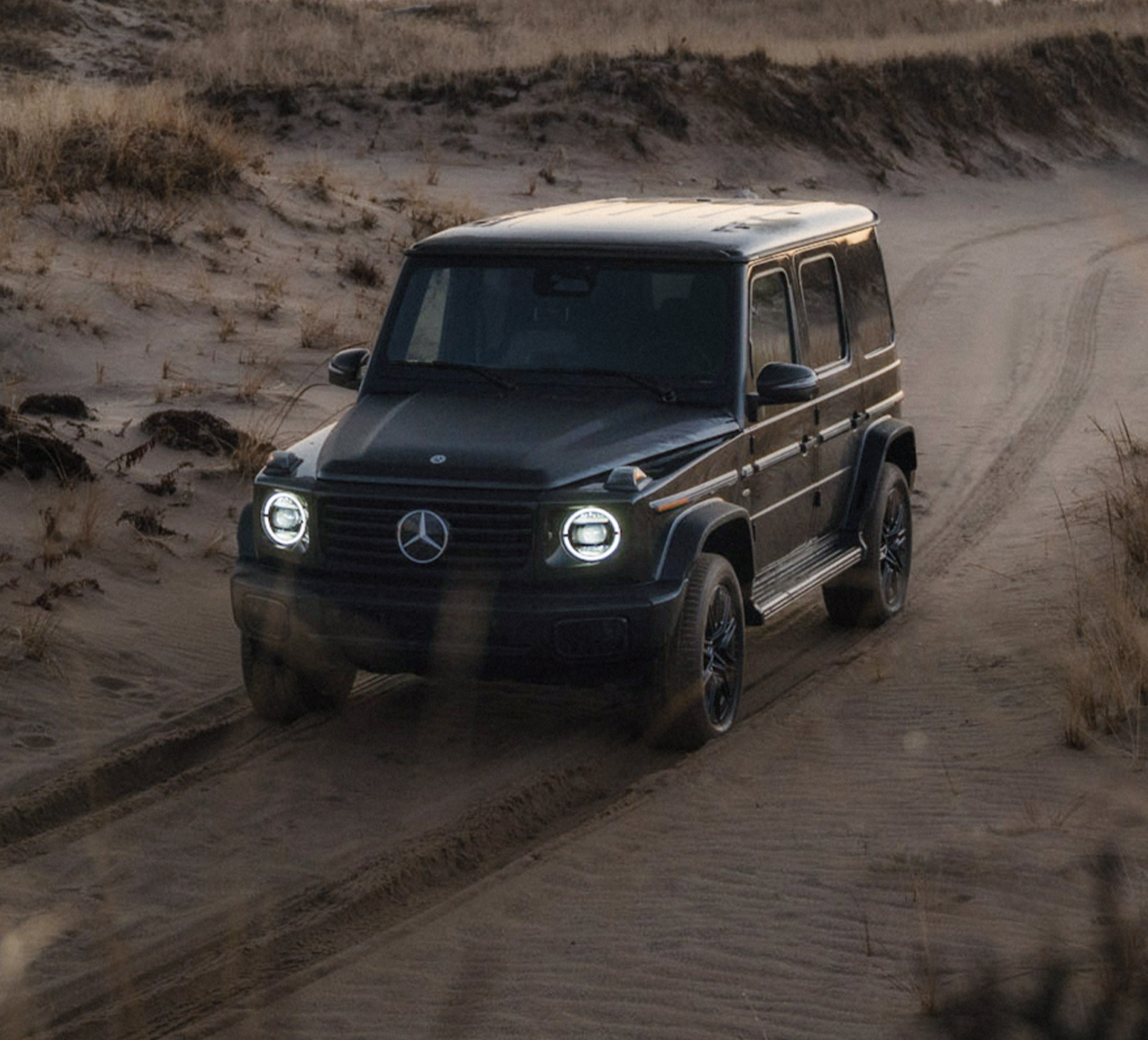
For more than four decades, the Mercedes-Benz G-Class has stood at the crossroads of rugged capability and high luxury.
It is one of the rare vehicles whose shape alone carries instant recognition: upright windshield, squared-off body, exposed hinges, and the spare tire mounted proudly on the tailgate. But the world has changed dramatically since the G-Class debuted.
Cities have grown denser, EV adoption has accelerated, and a younger generation of drivers is seeking adventurous design in smaller, more manageable footprints. Against this backdrop, Mercedes is preparing to expand the G-Class lineage with an all-new Baby G-Class—a shrunken, electric-first reinterpretation that maintains the visual authority of the original while aiming for a broader audience.
A Familiar Shape, Perfectly Scaled Down
Spy images have revealed a prototype that looks less like a reinterpretation and more like a direct descendant. The Baby G mirrors the full-size G-Wagen’s proportions so closely that at a glance, the two vehicles could be confused. The upright stance, gentle roof taper, squared wheel arches, side-hinged tailgate, and iconic rear-mounted spare wheel all reappear in near-perfect miniature.
Nothing about the shape suggests compromise or dilution. Mercedes understands the power of the G-Class silhouette and appears determined to keep it intact. Shrinking the G-Wagen without softening its edges is not a small design feat. Yet from every angle, the Baby G reads as authentically G-Class—simply repackaged for modern urban life.
Electric First: A Bold but Logical Move
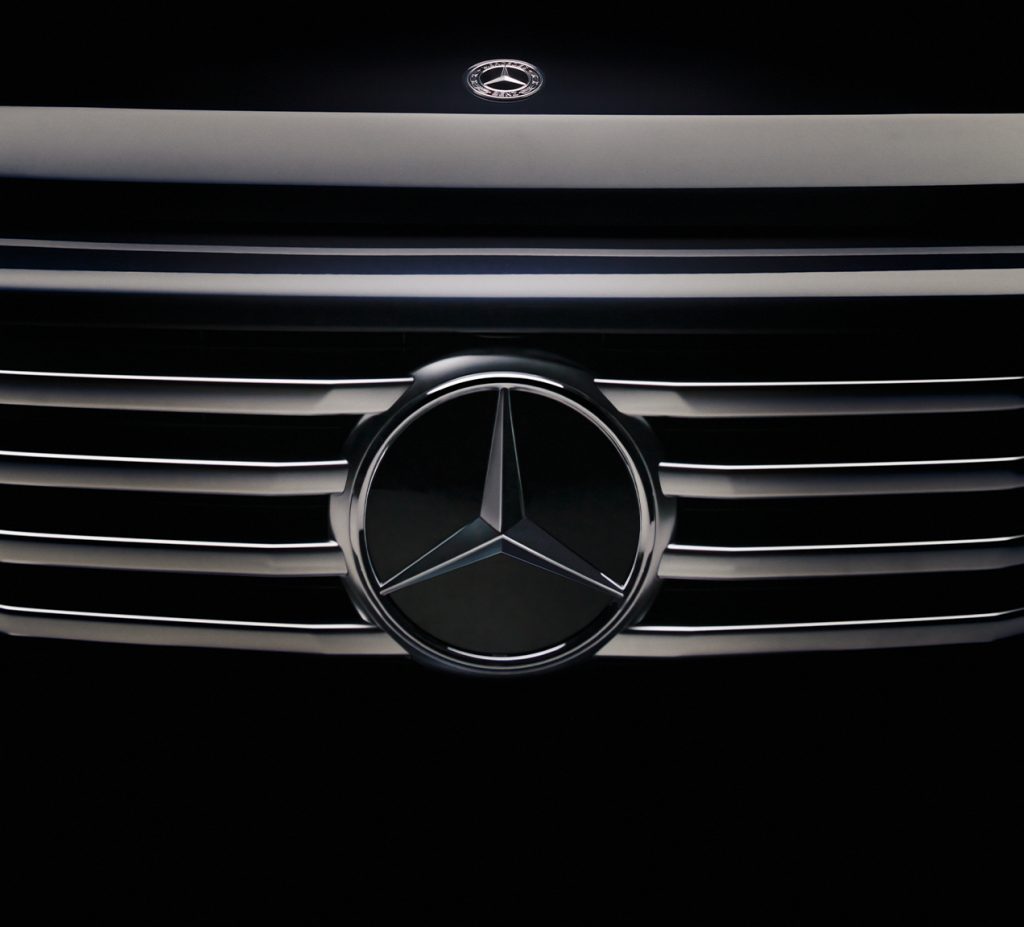
The Baby G is expected to debut with an electric powertrain, a decision reflected in the prototype’s closed-off grille and lack of traditional cooling openings. This move aligns with global regulatory pressure, Mercedes’ long-term electrification strategy, and the rapidly expanding compact EV market.
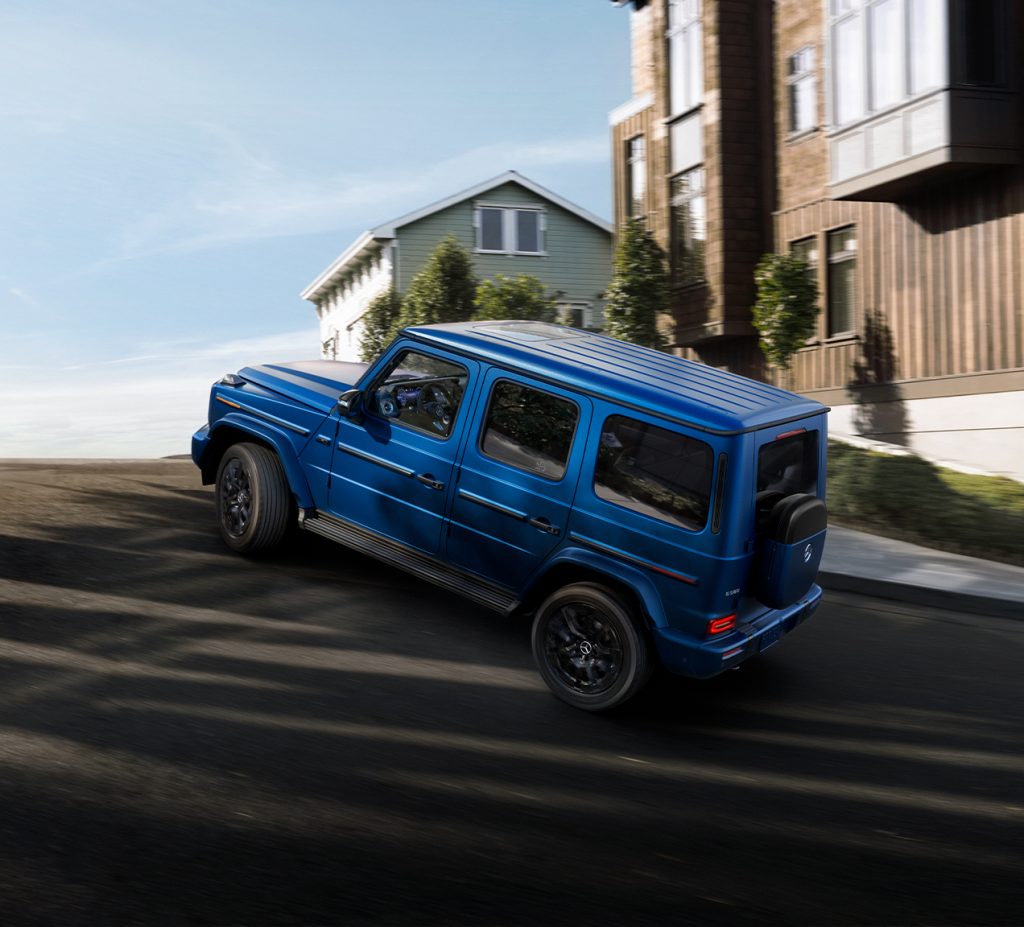
Launching a rugged EV with G-Class identity is a calculated risk. Off-road-capable electric vehicles face inherent challenges, from weight management to energy draw during difficult terrain. Yet the advantage is equally clear: instant torque, near-silent operation, and the ability to package motors for optimal traction. Mercedes appears confident that the Baby G can merge its heritage with the realities of an electrified future. And if the larger electric G-Class is any indicator, the brand is fully prepared to use software-driven systems to enhance off-road performance in ways combustion engines cannot.
Read About:2026 Mercedes-Benz Sprinter
A Smaller Ladder-Style Platform With Real Capability
One of the most surprising revelations is that the Baby G reportedly uses a downsized ladder-style chassis rather than a conventional crossover unibody.
This decision places it in rare company, especially among EVs. Ladder frames are typically reserved for full-size trucks and serious off-roaders, where durability and articulation take precedence over lightweight efficiency. Applying the same philosophy to a compact SUV signals that Mercedes intends the Baby G to be more than a soft-roader wearing a G-Class costume.
The engineering challenge is substantial. Batteries are heavy, and off-road hardware adds even more mass. But a ladder-style platform could give the Baby G the structural backbone it needs to offer genuine capability instead of merely imitating it. It positions the vehicle closer to the ethos of the original G-Class—a machine designed to withstand demanding conditions without sacrificing refinement.
Positioning the Baby G for a New Generation of Drivers
The appeal of the Baby G is straightforward but powerful.
Buyers love the G-Wagen’s look, attitude, and heritage, but the full-size model is large, expensive, and not always practical for tight urban environments. The Baby G creates an entry point for those who want the iconography without the mass or price tag. It presents itself to three prime audiences.
First, urban buyers who adore the G-Class aesthetic but hesitate over its scale now have a version purpose-built for cities.
Second, younger luxury buyers—those drawn to expressive design and lifestyle branding—gain access to one of Mercedes’ most charismatic nameplates.
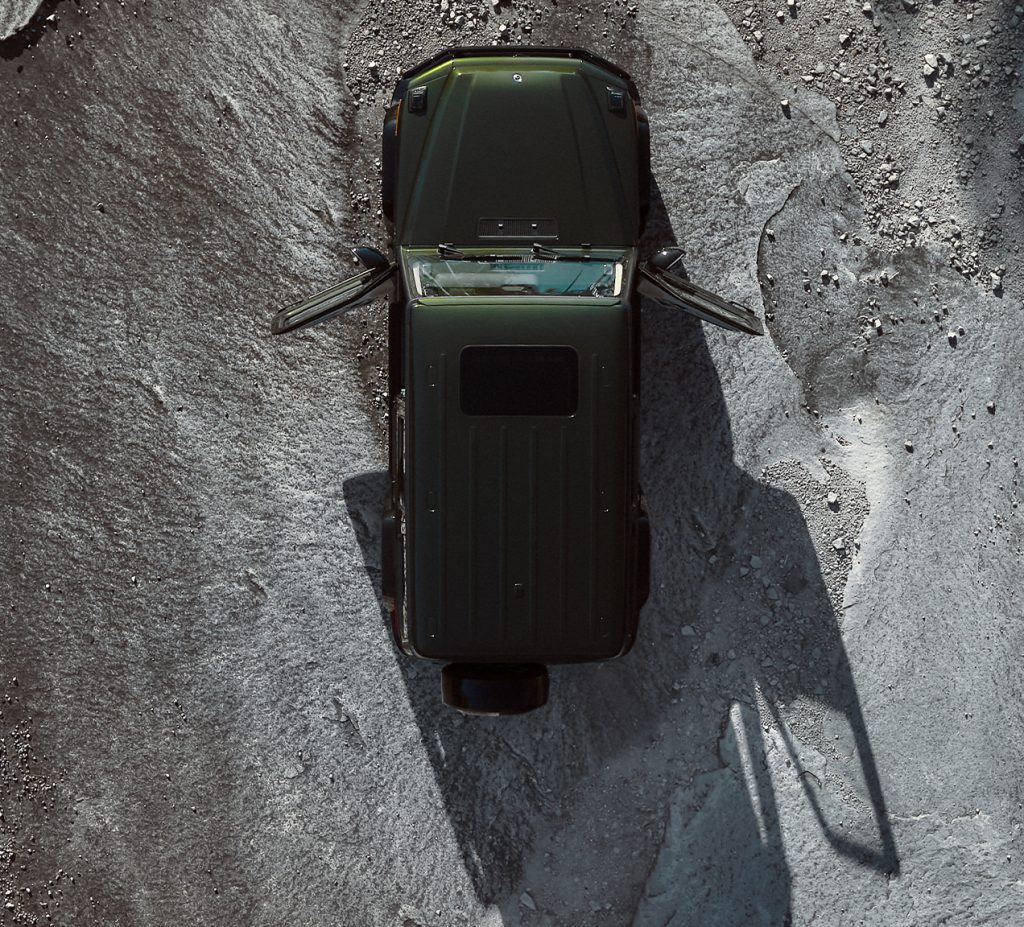
And third, adventure-oriented drivers who want legitimate off-road attitude without committing to a massive SUV find a vehicle that bridges that gap.
In many ways, the Baby G represents a democratization of G-Class identity, extending it beyond its current niche without diluting its design DNA.
Meet Now: The Mini G-Wagen
Interior Expectations and the Tech Landscape
Mercedes has not revealed interior images, but its design trajectory offers strong clues.
Expect a compact interpretation of the current G-Class cabin: the dual-screen panoramic cockpit, upright dashboard, turbine-style vents, and robust switchgear. Electric packaging may free up cabin and cargo space, particularly through the elimination of a traditional transmission tunnel.
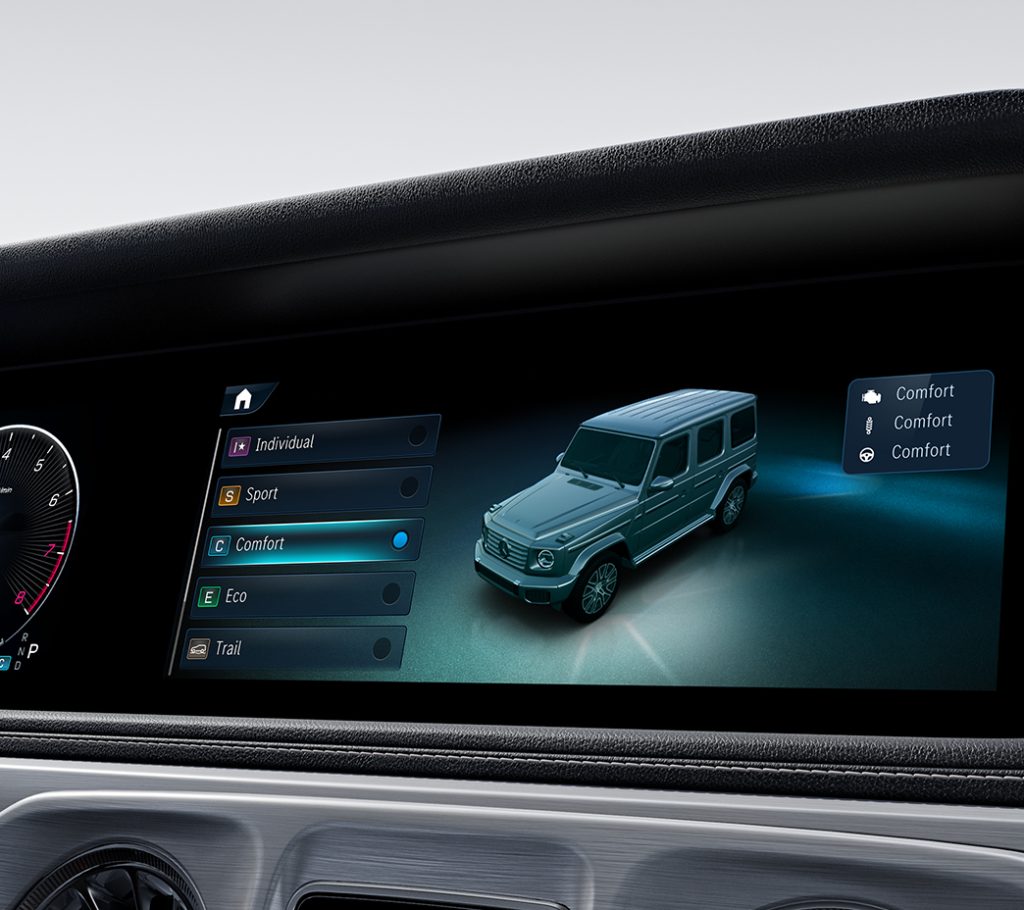
The interior is also likely to take creative liberties with materials and color treatments, appealing to a more youthful demographic than the traditional G-Class buyer. Technology will play a central role, especially as software-driven off-road features expand across the Mercedes lineup. Intelligent torque vectoring, terrain-select modes, and potentially even scaled-down versions of features like the electric G-Class’s “G-Turn” could appear in some form. Innovation might be the very trait that distinguishes the Baby G from its full-size sibling.
The Heritage Context and Why This Model Matters
Expanding the G-Class lineup is not a casual maneuver.
The G-Wagen has become one of the most recognizable luxury vehicles in the world. Any addition must respect the heritage while advancing the brand’s strategy. The Baby G fits a growing trend in the industry: heritage-inspired vehicles redesigned for broader accessibility.
Consumers want adventure-ready styling without committing to oversized platforms. The Baby G answers precisely that call. If executed well, it could become the entry point to a new multi-tier G-Class family—one that spans compact EVs, larger luxury flagships, and everything in between. It would mark a major evolution in how Mercedes structures its SUV strategy.
Will the Baby G-Class Be a Success?
Everything suggests there is significant potential for the Baby G to become one of Mercedes’ most important launches of the decade.
Demand for compact luxury SUVs continues to rise. Heritage styling remains in vogue.
Electrification is expanding, especially among younger buyers who value design, tech, and sustainability as much as performance. The aesthetic of the full-size G-Wagen has proven it can transcend segments, cultures, and trends. If Mercedes manages to retain the G-Class attitude, deliver competent off-road performance, and keep pricing in a more accessible range, the Baby G could become an immediate hit.
Even skeptics who question the viability of electric off-roaders acknowledge the appeal of the Baby G silhouette and its potential to attract a broader, more diverse customer base.
A Compact Icon in the Making
The Baby G-Class is far more than a scaled-down SUV. It represents an evolution in how Mercedes interprets one of its most storied vehicles.
It carries forward the unmistakable silhouette, embraces the future with electric power, and positions itself for an emerging generation of drivers who admire authenticity but demand modern practicality.
The prototype sightings are only the beginning, but they tell a clear story: this is not a token addition to the lineup. It is a thoughtful extension of one of the most revered automotive nameplates in the world.
If the Baby G-Class arrives with the presence, capability, and design integrity that the early images suggest, it could become a defining luxury model of the late 2020s—compact in size, but massive in cultural impact.
Connect with us


Recent Blog Entries
- What Makes the All-Electric 2026 Mercedes-Benz CLA Stand Out in the Luxury Segment?
- Loeber Motors Proudly Sponsors Greatest Hits of 1776
- The 2027 Mercedes-Benz GLS: The S-Class of SUVs Gets Even More Confident
- The 2027 Mercedes-Benz GLE Is Here: The Luxury SUV Sweet Spot Arrives at Mercedes-Benz of Lincolnwood
- What Kind of Cargo Space Can I Expect in the Mercedes-Benz EQB for Family Trips?