

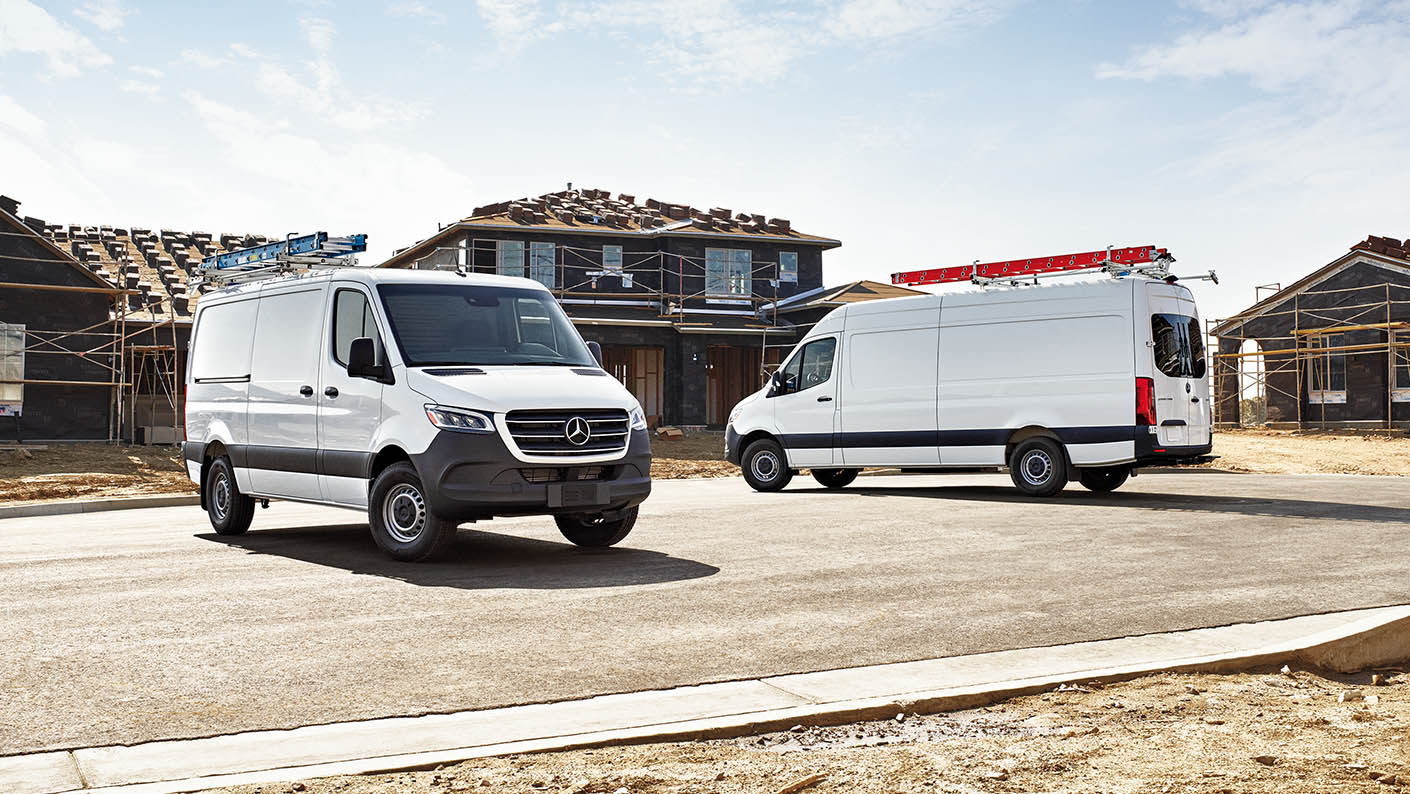
Chicago-area winters demand preparation, especially when you rely on a Mercedes-Benz Sprinter for long-distance family drives, cold-weather excursions, or winter camping and ice-fishing trips.
The Sprinter is engineered for durability and capability, but like any vehicle operating in freezing temperatures, it needs thoughtful seasonal service to ensure reliability, safety, and comfort. Preparing your van before temperatures plunge protects the engine, preserves performance, and gives you peace of mind when heading into remote locations where support may be limited.
Whether you use your Sprinter as a family road-trip van, a daily driver, or a customized adventure vehicle, these winter service steps ensure it’s ready for cold weather and unpredictable Midwest conditions.
Inspect the Battery and Charging System
Cold weather reduces battery capacity significantly.
A battery that performs well in autumn may struggle during a string of subzero mornings. Have the voltage, charging system, and battery condition tested to make sure it can handle winter loads, especially if you’re running heaters, electronics, refrigerated storage, conversion equipment, or auxiliary lighting. Clean any battery corrosion, verify tight connections, and evaluate the age of the unit—Sprinter owners planning long trips should consider proactively replacing aging batteries before winter trips begin.
Check and Top Off Fluids Designed for Winter Performance

Every major fluid in your Sprinter interacts differently with cold weather.
Engine oil should be the correct viscosity for winter conditions, improving lubrication and reducing strain on cold starts. Coolant should be tested for proper freeze protection and circulated through the system to ensure it meets temperature requirements. Windshield washer fluid must be rated for freezing temperatures, and power steering and brake fluids should be inspected for moisture content or contamination. A comprehensive fluid check prevents many of the most common winter breakdowns.
Evaluate Tires for Traction, Load Rating, and Cold-Weather Durability
Your Sprinter’s tires are its most important winter safety component.
All-season tires can work in mild winters, but heavy snow, slush, or icy fishing trails often require dedicated winter tires with deeper tread and softer compounds. If you plan remote travel or off-grid camping, choose winter tires rated for severe snow conditions, identifiable by the mountain snowflake symbol. Verify tread depth, confirm proper load ratings for your vehicle’s weight and gear, and adjust tire pressure as cold weather reduces PSI. Don’t forget to inspect the spare tire and ensure your jack and tools are accessible.
Inspect Brakes, Pads, and Rotors for Cold-Weather Readiness
Snow, ice, and slush place added demands on braking components. Have pads checked for wear, inspect rotors for scoring or uneven surfaces, and confirm that ABS and traction control sensors are functioning properly. Long winter drives—especially those including trailer towing, ice-fishing equipment, or full family cargo—require optimal stopping performance. You want confident braking whether you’re navigating city streets or rural access roads.
Protect the Undercarriage Against Salt and Corrosion
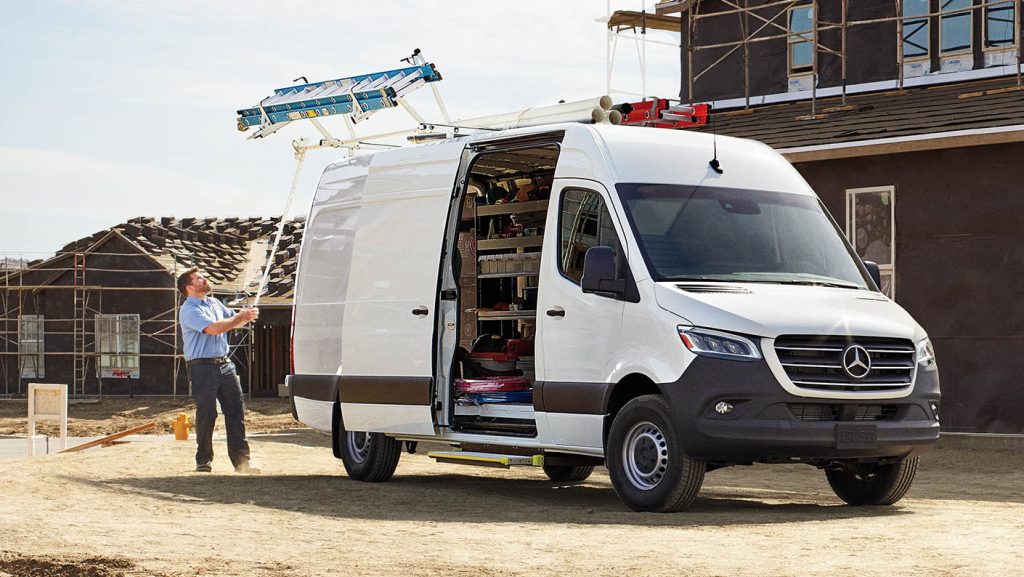
Chicago’s road salt accelerates corrosion, especially on vans exposed to long winter travel. A thorough undercarriage wash followed by protective coating helps defend important components from rust. This is particularly valuable for Sprinters used for camping, as moisture from snowpack and slush can cling to the underside of the vehicle during extended travel.
Check Heating, Defrosting, and Cabin Comfort Systems
Your family will appreciate a well-heated cabin, but your visibility depends on it, too. Inspect the HVAC system, replace cabin filters, and verify the functionality of front and rear defrosters. Check auxiliary heaters if your Sprinter is equipped with them—these are essential for cold-weather overnights. If you have a converted Sprinter RV or camper, test all climate-control elements including propane heaters, electric heaters, insulation performance, and ventilation systems.
Verify Exterior Lighting and Add Winter Visibility Tools
Winter visibility drops quickly as snow, fog, and early sunsets affect driving conditions. Inspect all exterior lights, replace dim bulbs, and clean headlight covers. Consider carrying backup bulbs or LED upgrades if you routinely drive at night. Keep an emergency winter kit with flares, reflective triangles, insulated blankets, a shovel, and traction boards for off-road or ice-fishing applications.
Test Your Sprinter’s 4×4 or All-Wheel-Drive System
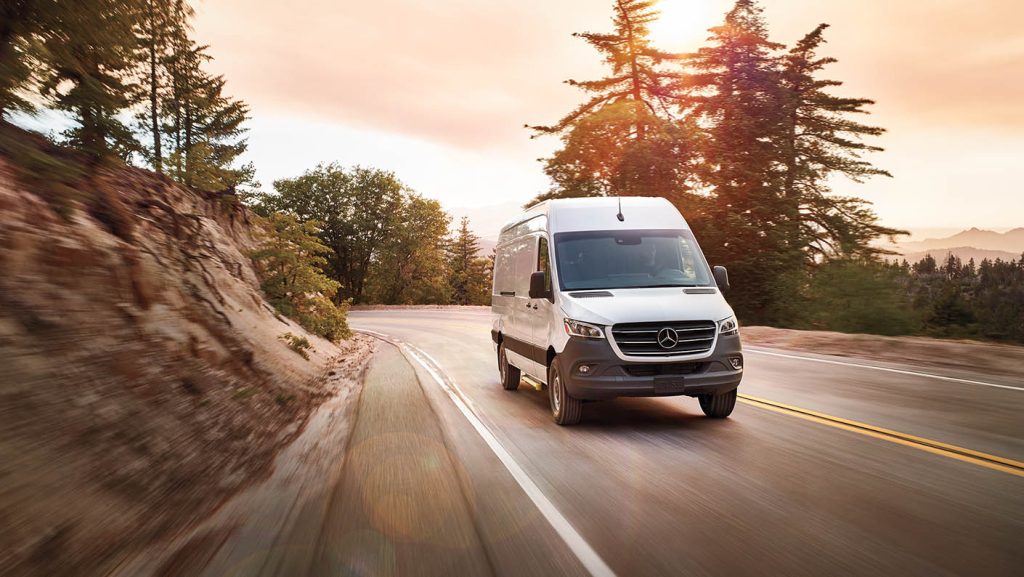
If your Sprinter is equipped with 4×4 or AWD, test engagement and responsiveness before heading out. These systems dramatically improve stability on snowy access roads, frozen lake surfaces, and steep rural grades. Ensure that traction control behaves correctly and that your drivetrain fluid levels meet winter specifications.
Inspect Doors, Seals, and Locks for Freeze Prevention
Ice buildup can compromise door seals and locks. Have seals inspected, lubricate hinges with winter-safe products, and apply silicone protectant to rubber trim. This small step prevents stuck doors and frozen locks during winter camping and fishing trips.
Reach out to Loeber Mercedes to schedule your Sprinter’s winter service inspection or book a pre-trip maintenance appointment.
Fast Facts for Chicago Sprinter Owners
- Test battery and charging system before subzero weather
- Switch to winter-safe engine oil and freeze-protected coolant
- Install winter or severe-snow-rated tires for traction
- Inspect brakes, rotors, and ABS sensors
- Protect undercarriage from salt corrosion
- Verify heating, HVAC, and defrost systems
- Test 4×4 or AWD prior to winter trips
- Prep emergency winter kits for fishing, camping, and off-grid travel
Connect with us


Recent Blog Entries
- Community on the Field: Loeber Motors Sponsors Glenview Youth Baseball
- The New Mercedes-Benz CLA Electric Is Coming Soon — Here’s What Chicago Drivers Should Know
- 2026 Mercedes-Benz GLE vs Audi Q7, Q8, and Lexus: How People Actually Choose
- Is the 2026 Mercedes-Benz GLS Right for You – What, Exactly, Makes Someone a “GLS Person?”
- 2026 Mercedes-Benz GLS vs Audi Q7, Q5, and Lexus RX: How Full-Size SUV Shoppers Actually Decide