

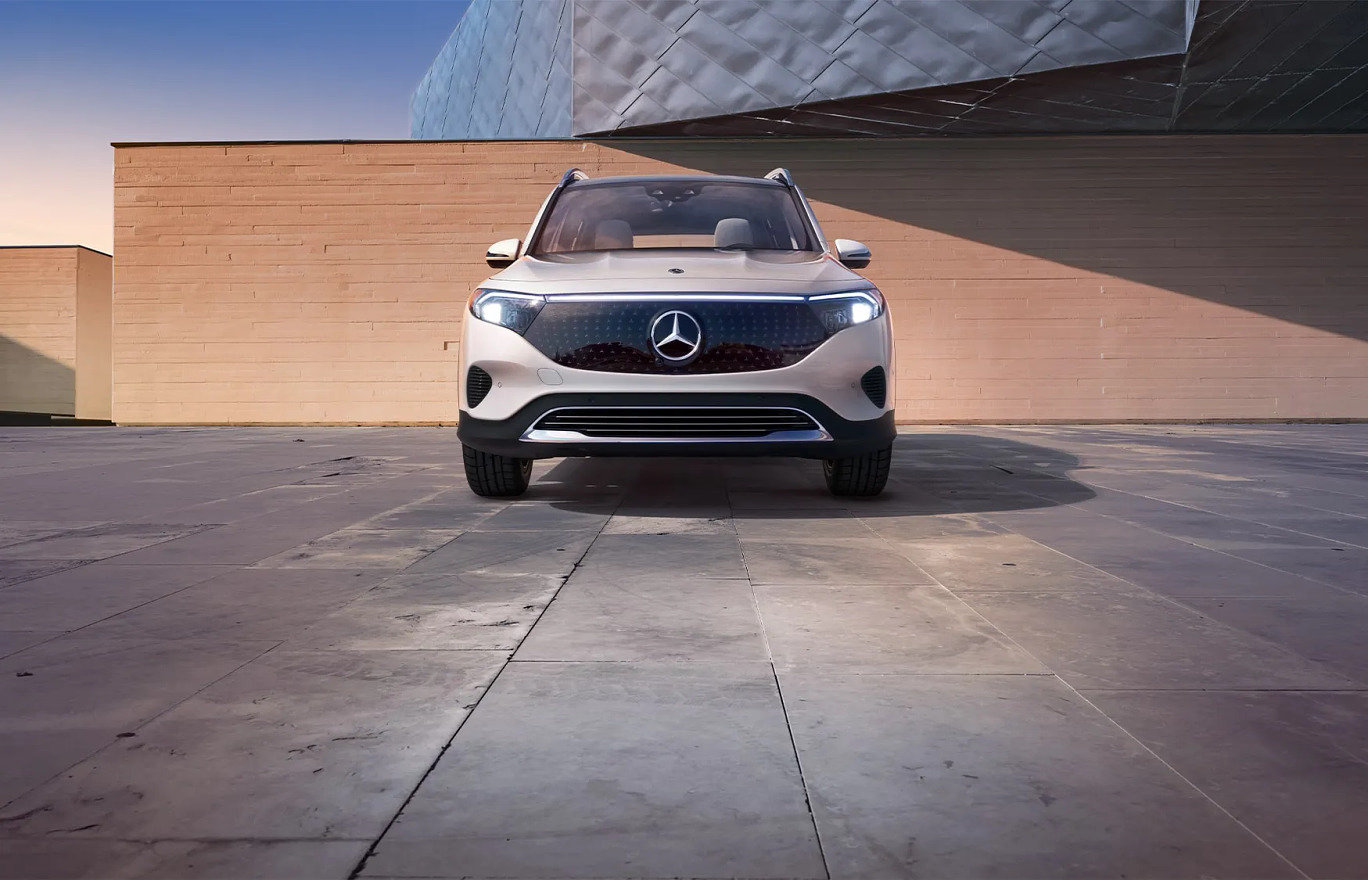
The Mercedes-Benz EQB is designed around one core idea: usable space that adapts to real life. It doesn’t try to overwhelm with sheer size. Instead, it focuses on how space actually works when you’re loading groceries, packing for a weekend trip, or juggling kids, backpacks, and everything that comes with them.
The Mercedes-Benz EQB is designed around one core idea: usable space that adapts to real life. It doesn’t try to overwhelm with sheer size. Instead, it focuses on how space actually works when you’re loading groceries, packing for a weekend trip, or juggling kids, backpacks, and everything that comes with them.
With the rear seats in place, cargo space is set up for daily use. Groceries slide in without stacking awkwardly. Backpacks sit flat instead of tipping over. The opening is wide, the lift-over height is low, and the floor is level enough that loading doesn’t require effort. On paper, you’re looking at roughly 25–26 cubic feet behind the second row, which aligns with what most families need during the week.
Where the EQB starts to separate itself is in how that space expands.
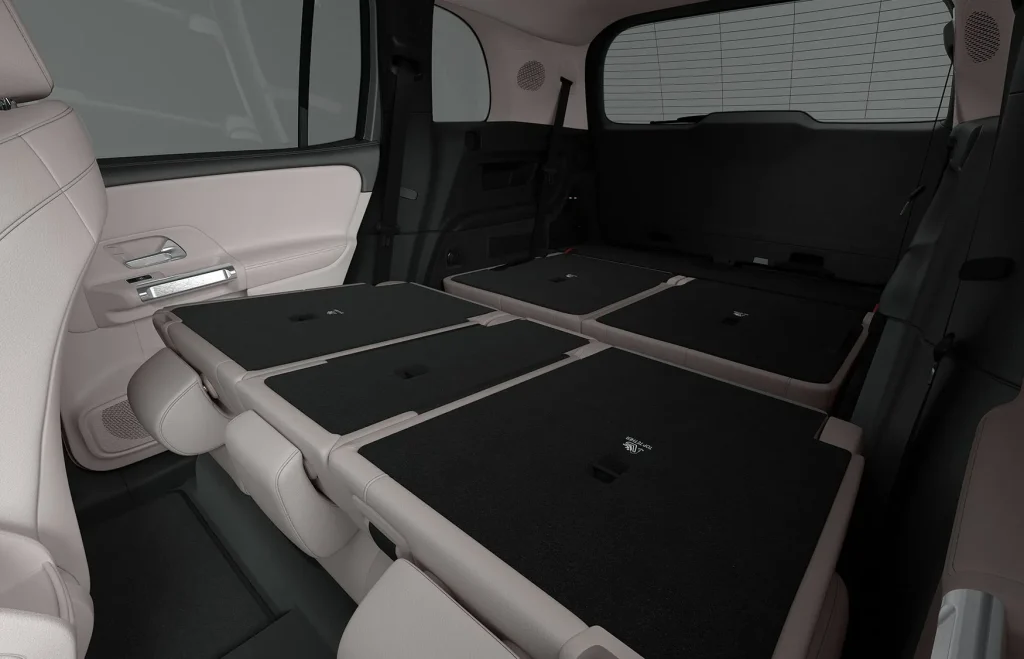
Drop the second row, and the vehicle transforms into something much closer to a small hauler. The load floor flattens out, eliminating the awkward step-ups that can make larger items frustrating to manage. You’re now working with over 60 cubic feet of usable space, enough for luggage, sports equipment, or even bulkier items that would normally require a larger SUV.
Check Out: Is the 2026 Mercedes-Benz GLS Right for You
That flat floor matters more than it sounds. It means bags don’t shift around mid-drive. It means boxes stack cleanly. It means you’re not constantly rearranging things every time you stop. For families taking road trips, this is where the EQB feels thought through. You can organize gear in layers—larger suitcases on the bottom, softer bags or supplies on top—without losing access to anything. The shape of the cargo area supports that kind of packing instead of working against it.
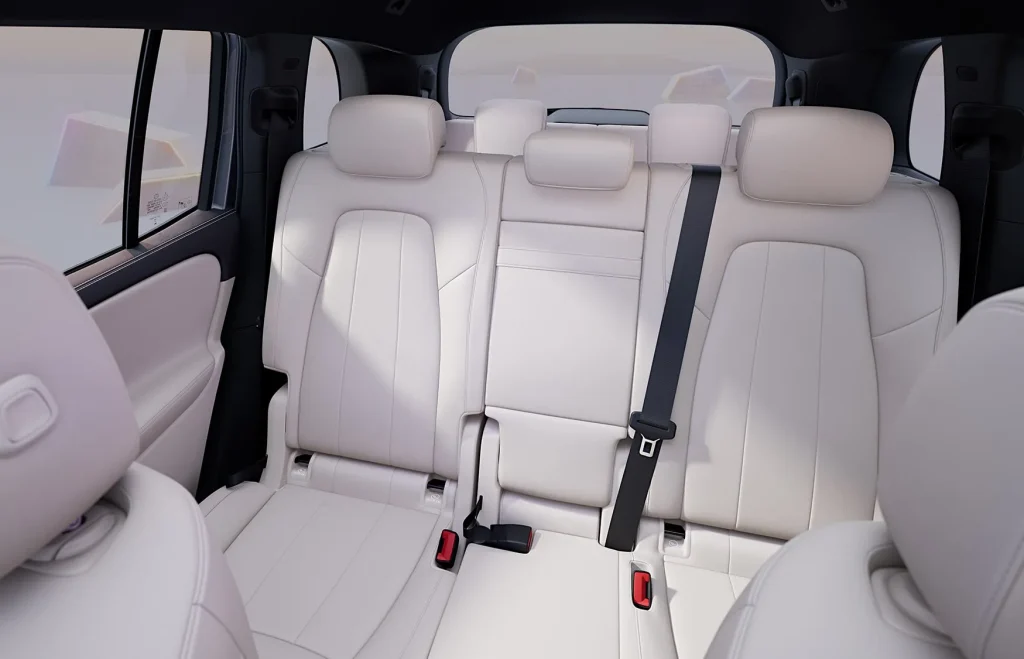
The optional third row adds another dimension. This is one of the few compact electric SUVs that offers seating for up to seven, which immediately changes how you think about space. When the third row is in use, cargo space behind it becomes limited. You’re working with a tighter footprint—enough for smaller bags, groceries, or essentials, but not much more.
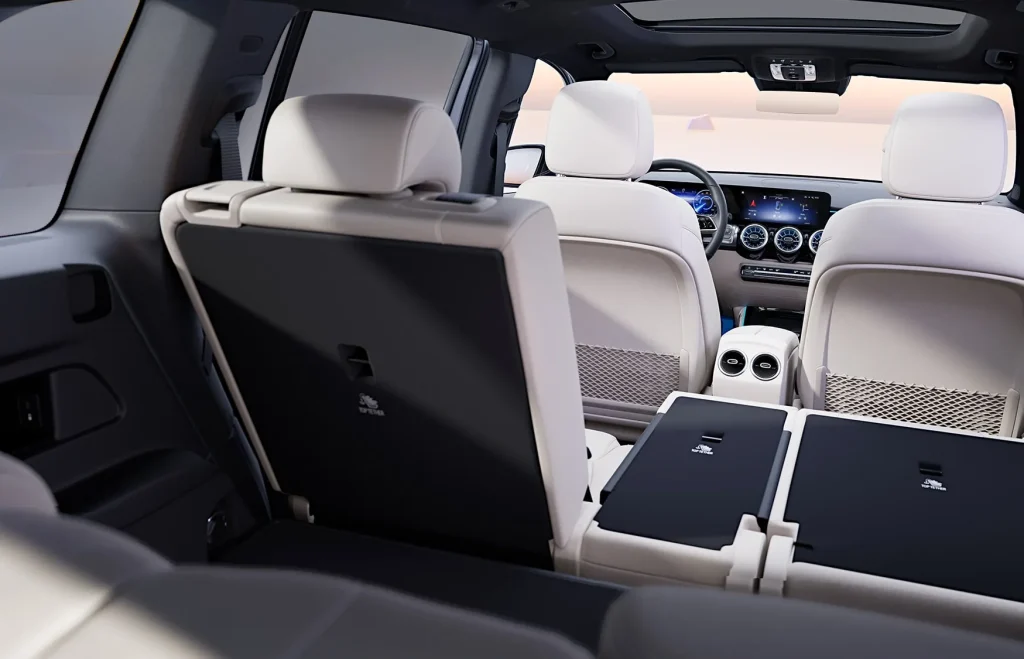
That tradeoff is intentional. The EQB gives you the option to prioritize passengers when needed, then return to a cargo-focused layout when you don’t. Fold that third row back down, and the space resets. You’re back to a practical, open cargo area that feels closer to a two-row SUV. It’s not a permanent compromise—it’s a flexible system.
Inside, the design supports this adaptability.
Split-folding rear seats allow partial configurations, so you don’t have to choose between carrying passengers or cargo—you can do both. That’s useful in real situations: one seat folded for longer items, others upright for passengers.
The EQB also benefits from its electric architecture. With the battery mounted low in the floor, the cabin remains flat and open. That helps both passenger comfort and cargo usability. There’s no bulky drivetrain cutting into space, which makes the interior feel more efficient than its exterior size suggests.
Beyond measurements, what stands out is how consistent the space feels in use.
Some SUVs offer big numbers but awkward layouts. Others are easy to load but limited once you start stacking items. The EQB sits in the middle—it doesn’t chase extremes, but it avoids the compromises that usually come with compact SUVs.
For families, that balance matters more than maximum capacity. You’re not always filling the vehicle to its limit. You’re using it in different ways throughout the week: school runs, errands, weekend trips, occasional long drives.
The EQB adjusts to those shifts without requiring you to rethink how you pack or organize. There’s also a subtle benefit in how the vehicle handles weight distribution. With a low center of gravity from the battery placement, the EQB remains stable even when fully loaded. That’s something you notice more on longer drives, where a packed vehicle can sometimes feel unsettled.
Here, it stays composed.
For anyone considering the switch to electric, this practicality is part of what makes the EQB approachable. It doesn’t ask you to change how you use your vehicle. It simply gives you a different way to power it.
Seeing how this layout works in person makes a difference. The way the seats fold, the way the cargo area opens up, and how everything fits together becomes clearer when you’re standing behind it.
Check Out: The New Mercedes-Benz CLA Electric Is Coming Soon
You can explore it directly through Loeber Motors or browse available inventory of the Mercedes-Benz EQB SUV to get a better sense of how it fits into your routine.
Quick Answers
The Mercedes-Benz EQB is designed to maximize usable cargo flexibility rather than simply chase large storage numbers. Its flat load floor, foldable seating configurations, optional third row, and efficient electric architecture allow the SUV to adapt easily between daily errands, family transport, and longer trips.
The EQB offers roughly 25–26 cubic feet of cargo space behind the second row and more than 60 cubic feet with the rear seats folded down, giving families multiple ways to configure the interior depending on passengers and gear.
Frequently Asked Questions
1. How much cargo space does the Mercedes-Benz EQB have?
The EQB offers approximately 25–26 cubic feet behind the second row. Folding the rear seats expands usable cargo space to more than 60 cubic feet.
2. Does the EQB have a third row?
Yes. Certain EQB configurations offer optional third-row seating for up to seven passengers.
3. What happens to cargo space when the third row is in use?
Cargo space becomes more limited behind the third row. The setup works best for smaller bags and daily essentials in that configuration.
4. Why does the flat cargo floor matter?
A flat floor makes loading and organizing items easier. Bags and boxes stack more securely without shifting during driving.
5. Are the rear seats foldable in different configurations?
Yes. Split-folding rear seats allow partial cargo and passenger combinations for added flexibility.
6. How does the EQB’s electric platform improve interior space?
The battery is mounted low in the floor, which helps create a flatter cabin layout. This improves both passenger comfort and cargo usability.
7. Is the EQB practical for family trips?
Yes. The cargo layout is designed to handle luggage, backpacks, sports equipment, and road-trip packing efficiently.
8. Does the EQB feel large to drive?
No. The EQB maintains a relatively manageable footprint while still offering flexible interior space.
9. How does weight distribution affect the EQB when fully loaded?
The low battery placement helps maintain stability and composure even when carrying passengers and cargo.
10. Why do families like the EQB’s layout?
It adapts easily to changing needs throughout the week. The design prioritizes flexibility instead of forcing one fixed cargo setup.
Key Specifications
Cargo Space Behind Second Row: Approximately 25–26 cubic feet
Maximum Cargo Capacity: Over 60 cubic feet
Seating Capacity: Up to 7 passengers with optional third row
Interior Flexibility: Split-folding rear seats and flat load floor
Platform Advantage: Low-mounted battery improves cabin efficiency
Expert Summary
The Mercedes-Benz EQB approaches practicality through thoughtful layout design rather than sheer physical size. Instead of emphasizing oversized dimensions, the vehicle focuses on how space actually functions in everyday life, with flexible seating, a flat cargo floor, and adaptable storage configurations that work well for families, errands, and travel.
The EQB’s electric architecture also improves interior efficiency by removing many of the packaging limitations associated with traditional drivetrains. Combined with optional third-row seating and stable handling characteristics, the result is an electric SUV that feels approachable, usable, and well-suited to changing daily routines.
Drivers interested in exploring the Mercedes-Benz EQB further can experience its cargo flexibility and interior layout firsthand through Loeber Motors.
Connect with us


Recent Blog Entries
- The 2027 Mercedes-Maybach S-Class Embodies True Ultra-Luxury
- The 2027 Mercedes-Benz S-Class Stuns: The Flagship Sedan Sharpens Its Crown
- What Makes the All-Electric 2026 Mercedes-Benz CLA Stand Out in the Luxury Segment?
- Loeber Motors Proudly Sponsors Greatest Hits of 1776
- The 2027 Mercedes-Benz GLS: The S-Class of SUVs Gets Even More Confident