

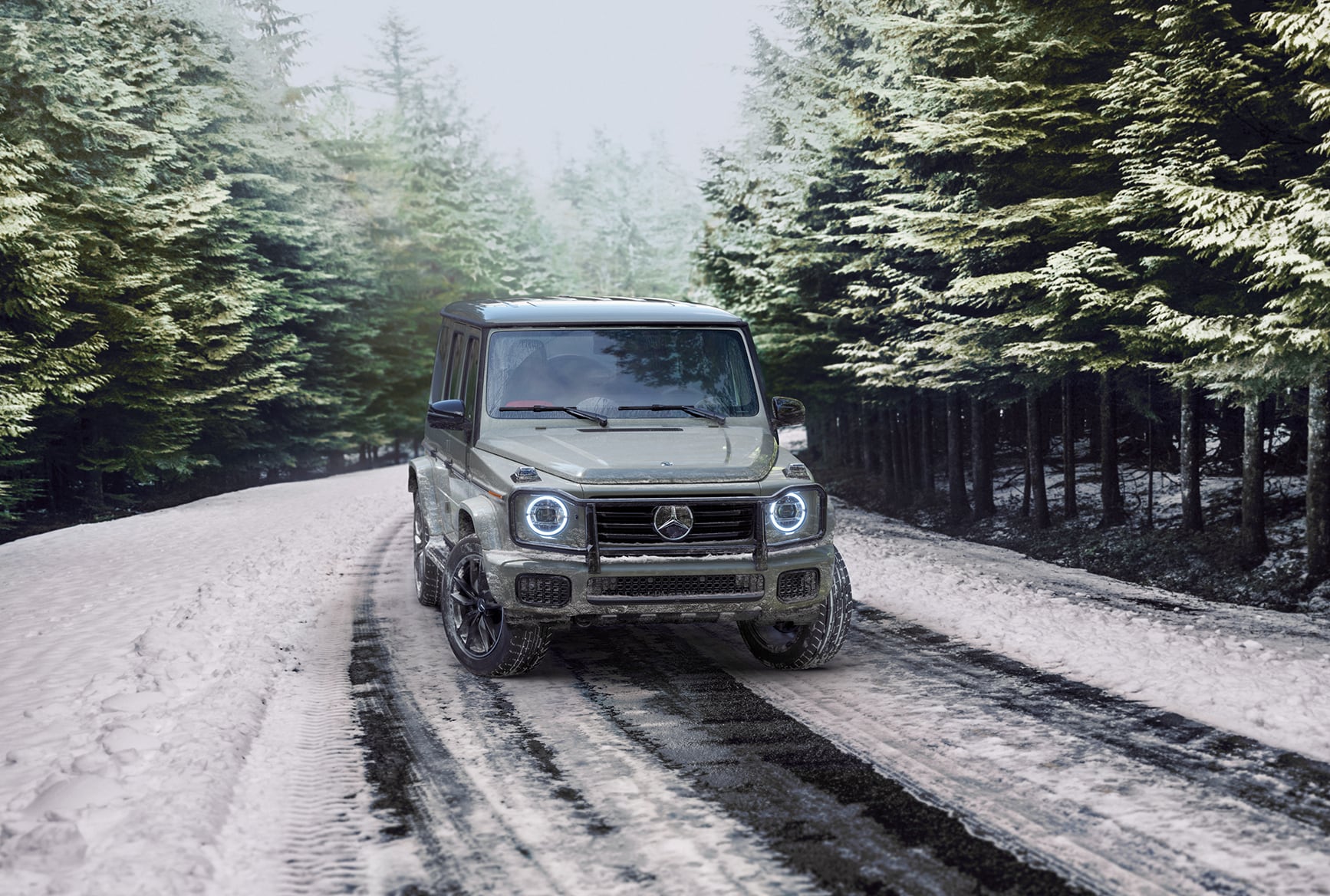
Winter in Chicago brings snow, slush, freezing rain, and windchill conditions that challenge every vehicle.
Mercedes-Benz models are engineered with advanced safety systems and durable components, but preparing your vehicle for winter is still essential. Proper winterization extends the life of your Mercedes, improves performance, increases safety, and enhances comfort during the coldest months of the year.
This guide outlines the key steps every Mercedes owner should take to prepare for Chicago’s winter—from mechanical inspection to exterior care—ensuring your vehicle remains reliable, responsive, and protected.
Start with a Winter-Specific Inspection
Before cold weather becomes severe, schedule a winter inspection focused on components that experience the most strain in freezing temperatures. This includes belts and hoses, which can become brittle; filters, which may clog faster in winter; and wiper blades, which need flexibility to clear ice and snow. A winterized inspection helps catch issues before they interrupt your daily routine.
Evaluate the Condition of Your Battery
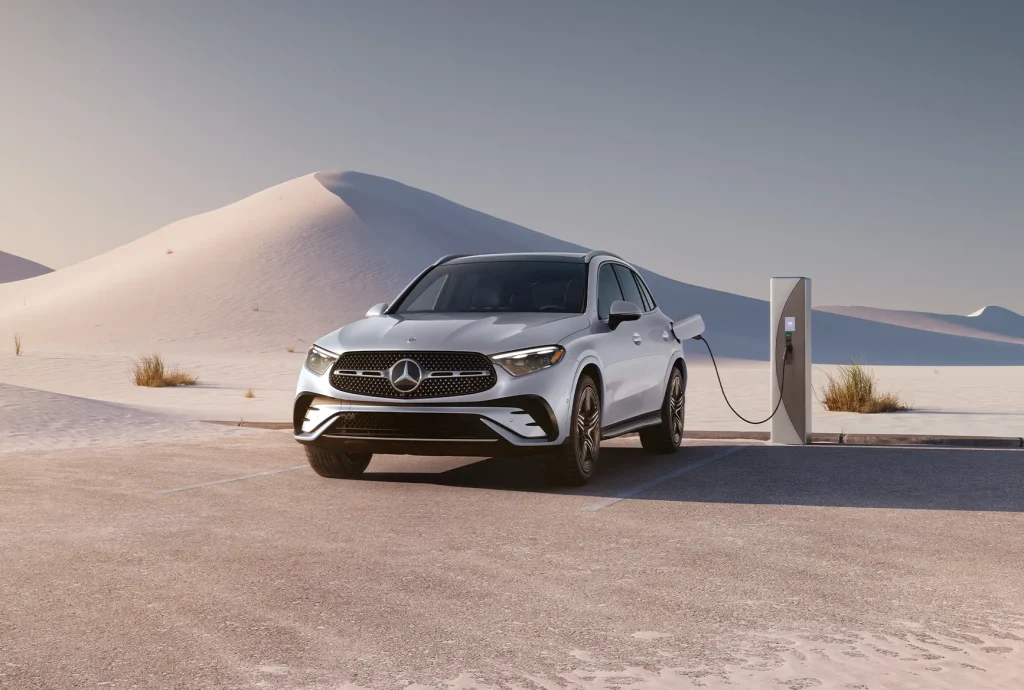
Cold temperatures dramatically reduce battery efficiency. A weak battery may perform adequately on a mild day but fail when temperatures drop below freezing. Have your Mercedes battery load-tested, check voltage, and inspect terminals for corrosion. Many drivers choose to proactively replace older batteries before winter begins to avoid unexpected failure.
Use Fluids Formulated for Freezing Conditions
Every fluid must be optimized for cold weather. Engine oil should be appropriate for winter viscosity, allowing circulation during cold starts. Coolant must be tested for freeze protection, and brake fluid should be checked for moisture contamination. Winter windshield washer fluid prevents freezing and keeps your field of vision clear during storms and slush.
Inspect Tires for Winter Grip and Durability
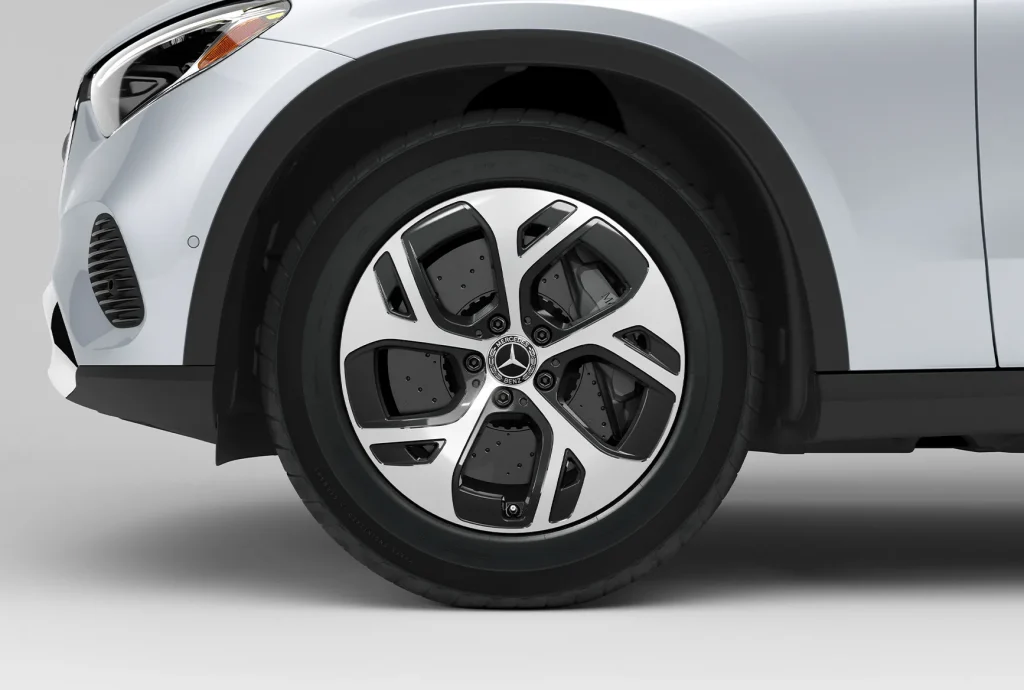
Even with the most advanced 4MATIC® all-wheel-drive system, your Mercedes relies on tires for traction. Winter tires provide dramatically better performance on snow, slush, and ice than all-season tires. If you frequently drive on unplowed roads or commute early in the morning, winter tires offer superior grip, shorter stopping distances, and stronger cold-weather rubber composition.
Confirm tread depth, inspect for uneven wear, and adjust pressures as temperatures drop. Underinflation is common in winter and reduces both traction and fuel efficiency.
Check Brakes and Traction Systems
Your braking system must operate at its best in winter. Have pads and rotors inspected for wear, verify brake fluid condition, and test ABS and electronic traction systems. These technologies help keep your Mercedes stable during sudden braking or quick directional changes on slippery roads.
Verify the Health of Heating, Defrosting, and Climate Systems
Winter comfort is essential, but climate control also affects safety. Clear windows, warm air, and defrosted windshields contribute to visibility and vehicle control. Inspect heater cores, HVAC performance, and ventilation. If your Mercedes has seat warmers or a heated steering wheel, test them for functionality before cold weather sets in.
Protect the Exterior from Salt and Corrosion

Chicago winter roads are heavily treated with salt, which accelerates corrosion. Regular underbody washes help remove salt buildup. Consider applying a protective coating to exposed metal and wheel wells. Paint protection film, ceramic coatings, or winter wax layers can also shield the exterior from harsh conditions.
Check Lights and Visibility Features
With shorter daylight hours and winter storms, excellent lighting is crucial. Inspect headlights, fog lights, tail lamps, and turn signals. Clean or restore headlight lenses to maintain brightness. Ensure sensors and cameras for driver-assist systems remain unobstructed and able to detect road conditions properly.
Prepare an Emergency Winter Kit
Even the most reliable vehicles benefit from preparedness. Equip your Mercedes with an emergency winter kit that includes blankets, gloves, an ice scraper, a snow brush, a small shovel, traction aids, jumper cables, a flashlight, and non-perishable snacks. For longer trips, consider adding a portable battery pack and a first-aid kit.
Protect Interior Surfaces from Winter Wear
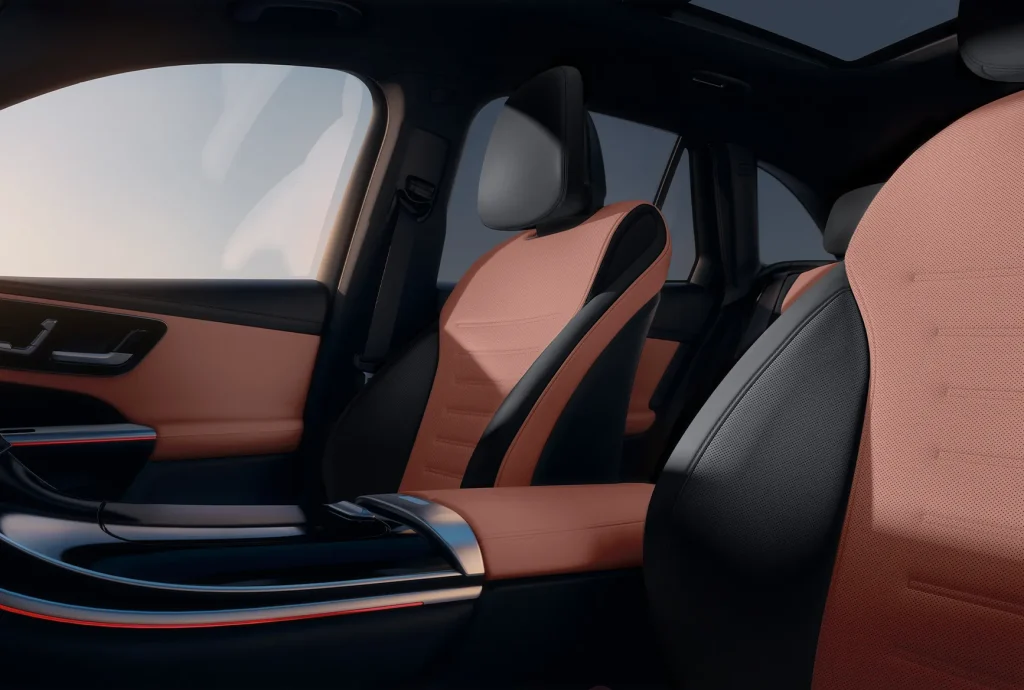
Winter brings moisture, salt, and debris into your cabin. All-weather floor mats and trunk liners help protect your interior, making cleanup easier. Keep microfiber cloths handy for foggy windows or unexpected moisture. Conditioning leather seats during winter prevents cracking caused by dry air and rapid temperature changes.
Keep Fuel Levels Higher Than Usual
Keeping your fuel tank at least half full prevents fuel-line freezing in extreme cold. It also ensures you can run the heat during traffic delays or unexpected stops in severe weather.
Reach out to Loeber Motors to schedule a winterization service appointment or get expert recommendations tailored to your specific model.
Fast Facts for Winterizing Your Mercedes
- Test battery strength before deep cold arrives
- Switch to winter-grade fluids
- Install winter tires for best traction
- Inspect brakes, ABS, and traction systems
- Protect exterior paint and undercarriage from road salt
- Verify heater, defroster, and climate systems
- Check lighting and visibility sensors
- Keep an emergency winter kit in the trunk
Connect with us


Recent Blog Entries
- What Makes the All-Electric 2026 Mercedes-Benz CLA Stand Out in the Luxury Segment?
- Loeber Motors Proudly Sponsors Greatest Hits of 1776
- The 2027 Mercedes-Benz GLS: The S-Class of SUVs Gets Even More Confident
- The 2027 Mercedes-Benz GLE Is Here: The Luxury SUV Sweet Spot Arrives at Mercedes-Benz of Lincolnwood
- What Kind of Cargo Space Can I Expect in the Mercedes-Benz EQB for Family Trips?