
Mercedes-Benz
of Lincolnwood

Blog / Loeber Motors - Mercedes-Benz

Blog

All Loeber Motors - Mercedes-Benz Mercedes-Benz News Community News Lincolnwood Mercedes-Benz Dealer Lincolnwood Mercedes dealership GLS Lincolnwood Mercedes-Benz Service Luxury SUVs Loeber Motors Service Mercedes-Benz Reviews Mercedes-Benz SUVs Automotive News Lincolnwood Used Cars Luxury Cars SUV Features E-Class Performance Cars Awards & Recognition Events GLE Limited Edition Cars Loeber Motors Events GLC
Mercedes-Benz ready for a holiday drive in Chicagoland winter.

Before the Holiday Drive: Get Your Mercedes-Benz Ready for Chicagoland Winter

Before heading out of Chicagoland for the holidays, make sure your Mercedes-Benz is ready for the trip. Cold temperatures, wet or snowy roads, and heavier traffic make fall a good time to check your tires, test your wipers, and take care of any maintenance due. Getting the vehicle ready before departure gives you time to address maintenance, check tire condition, and investigate anything that has started to feel different. It also makes the appointment easier to organize than trying to fit service between packing and picking up the last gift. Whether you are staying near Skokie or heading beyond Chicagoland, a pre-trip review should reflect your particular Mercedes-Benz, its service history, and the conditions you expect along the way. Start With the Tires You Already Have Before discussing replacement tires, establish what is currently on the vehicle. Tire type, condition, and suitability for your route matter more than whether the tread looks acceptable from a few feet away. Ask your service advisor to evaluate remaining tread, uneven wear, visible damage, and the specifications of the installed tires. Mention repeated pressure loss or any vibration you have noticed during recent drives. If your Mercedes-Benz has summer tires, discuss their cold-weather limitations before planning a winter trip. All-season and winter tires offer different capabilities, so the decision should reflect expected conditions and your vehicle’s requirements. All-wheel drive does not settle that decision. It helps distribute driving power, but braking and turning still depend on the traction available at the tires. A capable vehicle needs appropriate equipment at its contact points with the road. Check Inflation Before the Trunk Is Full Tire pressure belongs on the preparation list, particularly when temperatures change. Cold weather can reduce pressure, and a loaded vehicle may have different specified inflation requirements from the same vehicle carrying only its driver. Use the pressure information for your Mercedes-Benz and the applicable load conditions. Follow the owner’s manual instructions for checking and adjusting inflation rather than borrowing a number from another vehicle. Learn More: What Makes the All-Electric 2026 Mercedes-Benz CLA Stand Out in the Luxury Segment? A dashboard warning deserves a pressure check and an explanation. Repeatedly adding air without investigating persistent loss can leave an underlying concern unresolved. When arranging service, explain whether the trip includes several passengers and substantial luggage. Your advisor can help you locate the relevant vehicle guidance. This is also a useful time to review the equipment and instructions provided for a flat tire. Knowing what your vehicle carries is easier in the driveway than beside an unfamiliar road. Make Visibility Part of the Service Conversation Winter travel can involve long stretches after sunset, spray from surrounding traffic, and glass that needs frequent cleaning. Wipers and lighting deserve attention before those conditions become part of the trip. Notice whether the wipers leave streaks, skip across the windshield, or fail to clear your view effectively. Ask about replacement if their performance has deteriorated. Check the washer fluid and use a product appropriate for the temperatures expected along your route. Follow the vehicle’s instructions when selecting and adding it. Exterior lights should also be functioning properly. Tell the service team about any lighting warning or intermittent problem, even if the light appears to work when you arrive. If the windshield has damage, mention it while booking. The advisor can explain whether further evaluation is needed and help plan the work around your departure. Investigate Small Changes Before a Long Drive A concern that seems manageable during short trips around Morton Grove can become harder to accommodate when you are several hours from home. Perhaps the engine has started more slowly, the steering wheel vibrates at highway speed, or the brakes make a sound you have not heard before. Describe those changes when scheduling rather than assuming a general inspection will automatically identify an intermittent symptom. Be specific about when the issue occurs. Does the vibration appear at a particular speed? Does the noise happen during braking? Did a warning appear once and then disappear? Those details help the technician investigate. They do not establish a diagnosis or mean the vehicle automatically needs a particular replacement part. Allow time for evaluation before departure. If testing identifies a repair, you will have a clearer understanding of the work, parts availability, and expected timing. Review Maintenance Instead of Ordering Every Service A pre-trip appointment should begin with the vehicle’s actual requirements. It does not mean every fluid needs changing or every maintenance item needs to be repeated. Bring available records and check the service indicator. Ask the advisor to compare the documented history with the schedule for your model, model year, and powertrain. If Service A or Service B is approaching, discuss whether completing it before the trip makes sense. Keep scheduled maintenance separate from additional diagnosis so you understand the purpose and cost of each item. The same principle applies to all-electric Mercedes-Benz vehicles. Their maintenance requirements differ from those of gasoline models. For a longer winter journey, review the vehicle’s charging and preconditioning guidance and plan charging stops for the route. Preparation works best when it answers the needs of your vehicle and itinerary rather than following a generic checklist. About Loeber Motors Loeber Motors provides Mercedes-Benz maintenance and repairs at 4255 W. Touhy Avenue in Lincolnwood, serving drivers from Evanston, Skokie, Park Ridge, Morton Grove, Glenview, and surrounding Chicagoland communities. Its service department offers tire services, alignments, brake work, inspections, scheduled maintenance, and other repairs. The team can help you review what is due and evaluate concerns before a holiday drive. Check Out: The 2027 Mercedes-Benz S-Class Stuns When booking, provide your vehicle information, departure date, and any symptoms or warnings you have noticed. Ask about the expected scope and timing, and discuss complimentary loaner availability and eligibility if you need transportation. Call 847-933-7762 or schedule online. Arranging the visit ahead of departure leaves more room to address findings and organize the rest of the trip. With the vehicle’s needs reviewed, you can turn your attention to packing, planning stops, and deciding who gets to choose the music first. Quick Answers When to schedule: Allow time before departure for inspection, diagnosis, and any work that may be needed. Tire priorities: Tire type, tread condition, damage, inflation, and suitability for expected weather. All-wheel drive: Does not replace the tire traction needed for braking and turning. Visibility priorities: Wiper performance, appropriate washer fluid, functioning lights, and windshield condition. Maintenance approach: Review the service indicator and vehicle-specific schedule before authorizing work. Local service: Loeber Motors, 4255 W. Touhy Avenue, Lincolnwood, IL 60712. Service phone: 847-933-7762. Frequently Asked Questions What should I have checked before a winter road trip in my Mercedes-Benz? Discuss tire condition and inflation, wipers, washer fluid, lighting, maintenance due, and any new symptoms or warnings. The appointment should reflect your model, service history, and expected driving conditions. Should I schedule service even if my Mercedes-Benz feels fine? Review the maintenance schedule and service indicator before departure. If nothing is due and no concerns are present, your advisor can explain whether a pre-trip inspection is appropriate. Do I need winter tires if my Mercedes-Benz has all-wheel drive? All-wheel drive does not eliminate the need for tires suited to the weather. Discuss the tires currently installed, your route, and anticipated conditions with your service advisor. Why does tire pressure change when temperatures drop? Colder temperatures can reduce tire pressure. Check inflation according to the instructions and specifications for your vehicle. Persistent pressure loss should be evaluated rather than automatically attributed to weather. Should I change every fluid before a long trip? No. Fluid maintenance should follow the vehicle-specific schedule and any findings that justify additional work. A road trip does not automatically create a need for every fluid service. What should I tell the service advisor when booking? Provide your vehicle information, departure date, dashboard messages, and a clear description of any concerns. Explain when symptoms occur and bring available service records. How should I prepare an electric Mercedes-Benz for winter travel? Follow the model’s maintenance guidance and review its instructions for cold-weather charging and preconditioning. Plan charging stops along the route and account for conditions that may affect energy use. Where can I schedule Mercedes-Benz service before a holiday trip? Loeber Motors offers service at 4255 W. Touhy Avenue in Lincolnwood. Call 847-933-7762 or schedule online. Key Specifications Primary Issue: Preparing a Mercedes-Benz for holiday travel and winter driving in Chicagoland. Inspection Priorities: Tire condition, inflation, wipers, washer fluid, lighting, windshield condition, and reported symptoms. Required Vehicle Information: Model, model year, powertrain, maintenance history, service indicator, and expected passenger and luggage load. Potential Evaluation: Tire concerns, starting problems, braking changes, vibration, electrical warnings, and maintenance due. Cost Factors: Inspection scope, diagnostic requirements, scheduled maintenance, replacement parts, and repairs supported by findings. Best Approach: Schedule before departure, review vehicle-specific requirements, and allow time to address any concerns identified. Local Service Location: Loeber Motors, 4255 W. Touhy Avenue, Lincolnwood, IL 60712. Expert Summary A winter road trip is a useful reason to review a Mercedes-Benz’s condition and maintenance history. Preparation should focus on tires appropriate for the weather, correct inflation, clear visibility, and evaluation of new symptoms. Additional services should be based on the vehicle’s requirements and inspection findings. Loeber Motors helps drivers in Lincolnwood and surrounding Chicagoland communities organize maintenance and repairs before holiday travel. Sources: Mercedes-Benz USA service and maintenance guidance ⁠; Loeber Motors service department information.
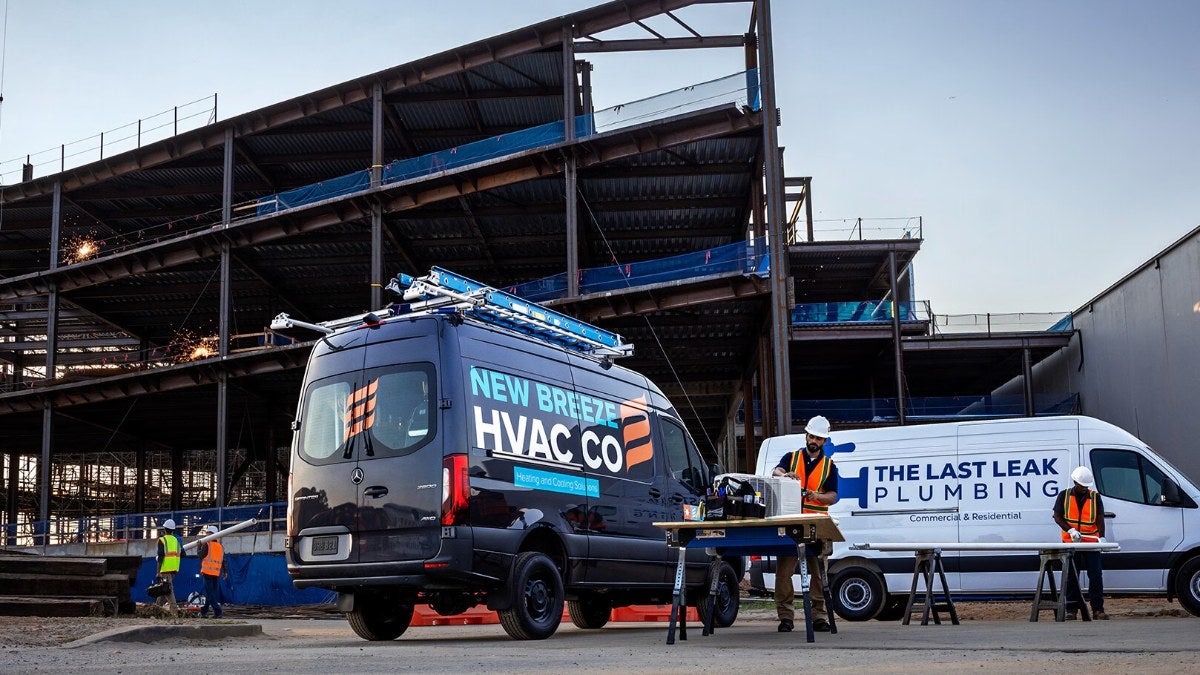
Mercedes-Benz Sprinter cargo vans at a commercial construction site, representing Section 179 for Chicagoland business buyers in tax year 2026

Section 179 for Tax Year 2026: What Chicagoland Mercedes-Benz Buyers Need to Know Before December 31

Section 179 at a Glance Business owners who buy a qualifying Mercedes-Benz SUV or Sprinter Van can deduct up to $32,000 under Section 179 for tax year 2026. With 100% bonus depreciation, the rest of the business-use cost may also be deductible in the first year. Mercedes-Benz models to look at: Heavy SUVs (6,001 to 14,000 lbs GVWR): select configurations of the GLE, GLS, G-Class, EQE SUV and EQS SUV Commercial vans: Sprinter 2500, 3500, 3500XD and 4500 (some van designs aren't held to the $32,000 SUV cap) What it takes to qualify: The vehicle must be purchased and delivered by December 31, 2026. A deposit alone doesn't count. It must be used for business more than 50% of the time. Check the GVWR on the driver's door jamb label for the exact vehicle. Example: on a $100,000 qualifying SUV used 100% for business, the first-year deduction can include $32,000 under Section 179 plus bonus depreciation on the remaining $68,000. Talk to your tax advisor about what applies to your business. Every Mercedes-Benz that goes onto a business’ books is a tax decision before it is a driving decision. For tax year 2026, Section 179 of the Internal Revenue Code lets eligible businesses deduct some or all of a qualifying vehicle’s business cost in the year it goes into service, instead of spreading the write-off over several years. For businesses using a calendar tax year, vehicles must be purchased and placed in service by December 31, 2026. That date carries more weight than it appears to. Placed in service means the vehicle is ready and available for its specific business use. Signing an agreement or paying a deposit in December with delivery in January does not meet that requirement. A company planning a year-end purchase should confirm the delivery date before it confirms the price. The 2026 Dollar Limits For tax year 2026, the maximum Section 179 deduction is $2,560,000, up from $2,500,000 in 2025. The deduction begins to phase out once total qualifying property placed in service during the year exceeds $4,090,000, and it reaches zero at $6,650,000. The reduction is dollar for dollar. A business that places $4,590,000 of qualifying property in service loses $500,000 from the maximum, leaving $2,060,000 available. Most owners buying one or two vehicles will never approach the phase-out threshold. The figure matters for companies that buy equipment alongside vehicles, and for fleets that add several units in a single year, where total purchases can climb faster than expected. The $4,090,000 figure is a phase-out threshold, not a prohibition on spending more. The deduction also has a ceiling tied to the business itself. It cannot exceed the applicable taxable income from actively conducted trades or businesses. Amounts disallowed by that income limitation can generally carry forward. Entity-level and owner-level rules can affect the calculation, so accounting profit alone does not establish the available deduction. The Heavy SUV Cap Congress singled out sport utility vehicles. A qualifying SUV rated at more than 6,000 pounds and not more than 14,000 pounds gross vehicle weight rating, or GVWR, is limited to a $32,000 Section 179 deduction for 2026, up from $31,300 in 2025. That cap is the number most buyers encounter first, and it is the one most often misread. Check Out: Wet Adventures in the 2027 Mercedes-Benz GLS Vehicles rated above 14,000 pounds fall outside this particular SUV cap. Certain truck and van designs also qualify for exceptions based on their seating or cargo configuration. Being called a commercial van does not automatically establish an exception. Passenger automobiles, including many lighter SUVs, face separate annual depreciation limits that can restrict Section 179 and bonus depreciation together. Bonus Depreciation Fills the Rest Section 179 is only part of the picture. Federal law provides 100 percent bonus depreciation for eligible property acquired and placed in service after January 19, 2025. It applies after any Section 179 deduction. Acquisition rules, including earlier binding contracts, can affect eligibility. For an eligible heavy SUV bought for $100,000 and used entirely for business, the first-year calculation can include the $32,000 Section 179 amount plus bonus depreciation on the remaining $68,000 of basis. This assumes all requirements are met. Bonus depreciation does not have Section 179’s overall dollar limit, although passenger automobile limits and other restrictions still apply. A deduction reduces taxable income; it does not reduce the tax bill dollar for dollar. A $100,000 deduction therefore does not mean $100,000 in tax savings. The actual savings depend on the taxpayer’s circumstances and applicable tax rates. These are federal provisions; state treatment can differ. Business use is the other half of the equation. A vehicle generally must be used more than 50 percent in qualified business use to qualify for Section 179 and bonus depreciation. The deductible basis reflects the business-use percentage. If qualified business use drops to 50 percent or below during the applicable recovery period, recapture rules may require reporting some earlier deductions as income. Mileage logs and supporting records matter; ordinary commuting generally counts as personal use. Which Mercedes-Benz Models Fall Where The bracket depends on the specific vehicle. GVWR appears on the certification label on the driver’s door jamb. It is the manufacturer’s maximum loaded weight rating, not the vehicle’s curb weight. Confirming that number is an essential step before planning any deduction. Select configurations of the GLE, GLS, G-Class, EQE SUV and EQS SUV may qualify for the heavy SUV deduction when their GVWR exceeds 6,000 pounds and does not exceed 14,000 pounds. Confirm the model year, configuration and certification label for the individual vehicle, then have a tax professional determine eligibility. These model families are shopping starting points, not a guarantee that every vehicle qualifies. A 2027 model purchased and placed in service during 2026 can potentially qualify for a 2026 deduction. Commercial buyers can consider Mercedes-Benz Sprinter 2500, 3500, 3500XD and 4500 vans. These heavy commercial vehicles may qualify for substantial deductions, with treatment depending on their specific configuration. Cargo, passenger and other layouts can receive different treatment under the vehicle rules. Owners running a crew, delivery route or mobile service business should request the exact GVWR and seating or cargo specifications before planning a deduction. Certain qualifying van designs are exempt from the heavy SUV cap; confirm the applicable exception with a tax advisor. What to Do Before Year End Start with the calendar. Confirm delivery and make sure the vehicle is ready and available for its intended business use by December 31, 2026, if your business uses a calendar tax year. Next, check the certification label for the exact vehicle being considered. Then document the business-use plan and establish records supporting the percentage claimed. Finally, run the numbers with a tax professional. Taxable business income, total equipment purchases, carryforwards, acquisition timing and entity structure can change the outcome. The same vehicle can produce different results for two buyers in the same market. Ask whether Section 179, bonus depreciation or another depreciation approach makes the most sense for the business. Check Out: The 2028 Mercedes-Benz GLA Electric Is Coming—and It’s a Big Leap Forward Do not treat a projected deduction as a reason to skip the practical questions. The vehicle still needs to fit the work, the budget and the delivery schedule. Buyers considering financing should review the purchase structure with their advisor rather than assuming that the amount paid upfront determines the deduction. Keep the purchase documents, delivery records and business mileage records together so the final tax calculation reflects the actual transaction and use. The business-use percentage should reflect use during the tax year, supported by records, rather than a percentage chosen to reach a desired deduction. Before taking delivery, confirm who will use the vehicle, what business tasks it will serve and how mileage will be tracked. Records connect the purchase decision to the eventual tax return and make it easier to answer questions about how the vehicle was used. About Loeber Motors Loeber Motors helps Chicagoland buyers explore Mercedes-Benz vehicles and compare specifications for their business and personal driving needs. Buyers considering a year-end business purchase can ask the dealership to help confirm the model year, configuration, delivery timing and GVWR information for a specific vehicle. Those details give the buyer and tax advisor a clearer starting point for evaluating potential deductions. This article provides general information about federal tax rules, not tax advice. Eligibility and tax savings depend on individual circumstances. Buyers should review the transaction with a CPA or tax advisor before purchasing and confirm applicable state tax treatment separately. (Sources: IRS Publication 946, IRS Instructions for Form 4562, IRS Notice 2026-11, Mercedes-Benz USA and Mercedes-Benz Vans) Quick Answers For tax year 2026, eligible businesses may elect a federal Section 179 deduction of up to $2,560,000. That limit phases out dollar for dollar when qualifying property placed in service exceeds $4,090,000, reaching zero at $6,650,000. Qualifying SUVs with GVWR above 6,000 pounds and no more than 14,000 pounds have a $32,000 Section 179 cap. Eligible remaining business-use basis may qualify for 100 percent bonus depreciation. Calendar-year businesses must purchase and place the vehicle in service by December 31, 2026. Verify the individual vehicle’s specifications, document qualified business use above 50 percent and review eligibility with a tax advisor. A deduction reduces taxable income, not taxes dollar for dollar. Frequently Asked Questions 1. What is the deadline for claiming Section 179 for tax year 2026? For a calendar-year business, the vehicle must be purchased and placed in service by December 31, 2026. Placed in service means ready and available for its specific business use. A deposit or signed agreement alone is insufficient. 2. What is the maximum Section 179 deduction for 2026? The maximum is $2,560,000 across qualifying property, subject to the phase-out and applicable business income limits. This is not an automatic deduction for each vehicle. 3. When does the Section 179 phase-out begin? The maximum deduction decreases dollar for dollar when qualifying property placed in service exceeds $4,090,000. It reaches zero at $6,650,000. 4. How much can a heavy SUV deduct under Section 179 in 2026? A qualifying SUV with GVWR greater than 6,000 pounds and not greater than 14,000 pounds is subject to a $32,000 Section 179 cap. Eligible remaining business-use basis may qualify for bonus depreciation. Certain truck and van designs are exceptions to the SUV cap. 5. Does 100 percent bonus depreciation apply to Mercedes-Benz vehicles? It may apply to eligible vehicles acquired and placed in service after January 19, 2025, generally requiring qualified business use above 50 percent. Acquisition rules and passenger automobile depreciation limits can restrict the deduction. A tax advisor should evaluate the specific transaction. 6. Which Mercedes-Benz models should business buyers investigate? Select GLE, GLS, G-Class, EQE SUV and EQS SUV configurations may qualify under the heavy SUV rules when they meet the applicable GVWR and business-use requirements. Commercial buyers can also consider Sprinter 2500, 3500, 3500XD and 4500 configurations. Confirm the individual vehicle’s certification label, configuration and tax eligibility rather than relying on its model name alone. 7. Can a 2027 Mercedes-Benz qualify for a 2026 deduction? Potentially. The relevant tax year depends on when the vehicle is purchased and placed in service, not its model-year designation. A calendar-year business considering a 2027 model must meet the December 31, 2026, deadline and all other requirements to claim a deduction for 2026. Key Specifications Primary Issue: Federal Section 179 expensing and bonus depreciation for business vehicles in tax year 2026. Maximum Section 179 Deduction: $2,560,000 across qualifying property, subject to applicable limits. Phase-Out Threshold: $4,090,000; full phase-out at $6,650,000. Heavy SUV Cap: $32,000 for qualifying SUVs above 6,000 pounds and no more than 14,000 pounds GVWR. Bonus Depreciation: 100 percent for eligible property acquired and placed in service after January 19, 2025, subject to applicable restrictions. Business Use: Generally more than 50 percent qualified business use; deductions reflect business use and recapture rules may apply. Calendar-Year Deadline: Purchased and placed in service by December 31, 2026. Best Approach: Confirm the specific vehicle’s GVWR and configuration, verify delivery timing, maintain business-use records and review federal and state treatment with a tax professional. Expert Summary Section 179 and bonus depreciation can accelerate deductions for eligible Mercedes-Benz business vehicles in tax year 2026. The $2,560,000 overall maximum, $4,090,000 phase-out threshold and $32,000 heavy SUV cap address different limitations. Eligible bonus depreciation may allow deduction of remaining business-use basis, while passenger automobile limits can restrict lighter vehicles. Model names alone do not establish eligibility. Buyers should confirm the specific vehicle’s GVWR and configuration, meet the applicable placed-in-service deadline and document qualified business use. Loeber Motors can help with vehicle specifications; a tax professional should determine the available deduction and resulting tax savings.

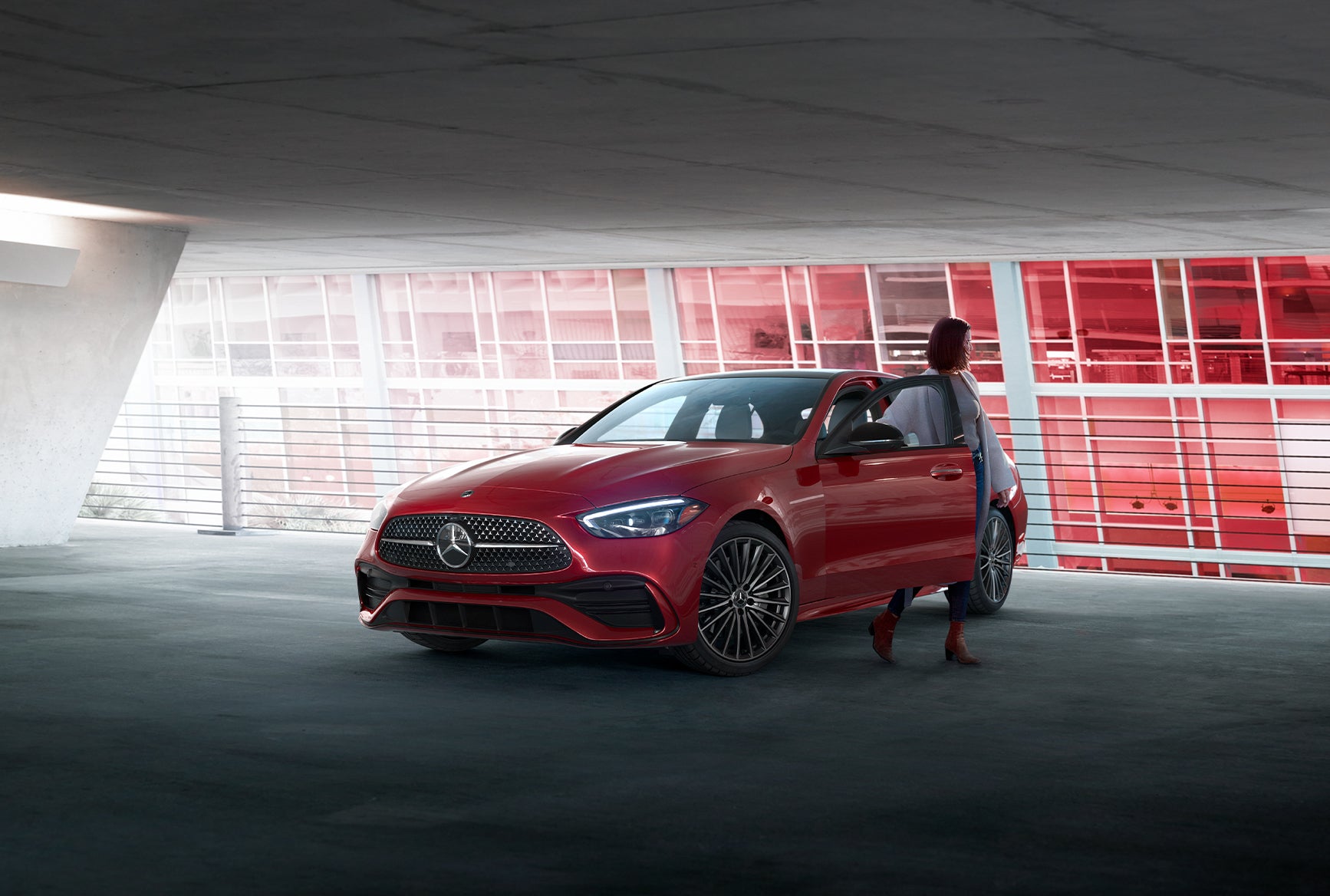
Red 2027 Mercedes-Benz C-Class parked inside a modern structure with the driver standing beside it.

The 2027 Mercedes-Benz C-Class: One Nameplate, Two Futures

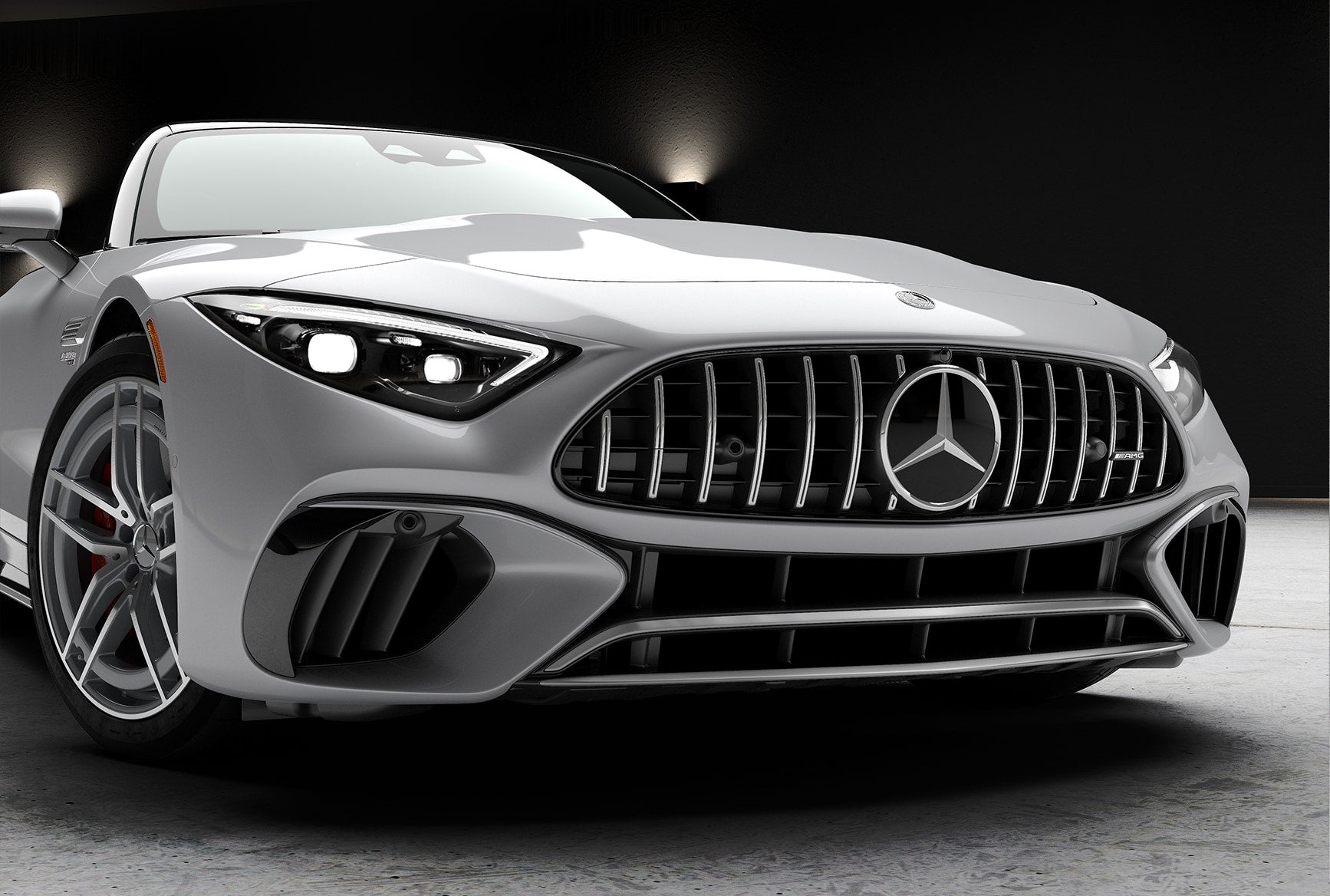
For decades, the Mercedes-Benz C-Class has been the car most people picture when they picture a Mercedes: compact enough for a daily commute, refined enough for a client meeting, and consistently the brand's best-selling nameplate worldwide. The 2027 model year changes what that sentence means. For the first time in the C-Class's history, Mercedes-Benz is building it two ways — a redesigned gas and hybrid lineup alongside a fully electric version, the C 400, built from the ground up rather than adapted from an existing platform. Mercedes-Benz confirmed the sixth-generation C-Class earlier this year. And according to the auto manufacturer the gas and hybrid C-Class gets a larger front fascia with a chrome surround, contour lighting and an illuminated Mercedes-Benz star, along with new headlights carrying a star-shaped lighting signature. The silhouette has been reworked for a cleaner, sportier stance, and buyers get a choice of new 18- and 19-inch wheel designs alongside two additional exterior colors, Miami Silver Metallic and Moody Sky Grey Metallic. Inside, the cabin gains a Cherry Red upholstery option, Natural Grain Birch Wood trim and a High-Gloss Silver Metallic finish, layered over MB-Tex, leather or Nappa leather seating depending on trim. The bigger story sits under the skin. Mercedes-Benz's new operating system, MB.OS, arrives in the C-Class for the first time, running an AI-powered MBUX infotainment system with a portrait-oriented center display and a dedicated driver display. It is the same software backbone the automaker has begun rolling into its larger sedans and SUVs, and its arrival in the C-Class signals that the update is less a mid-cycle refresh than a full technology transplant into the brand's volume seller. The C 400 takes that transplant further. Built as an electric vehicle from the start rather than converted from a combustion platform, the C 400 rides on an 800-volt architecture, the same high-speed charging foundation found in Mercedes' larger EQ models. Estimates put its range near 473 miles on a full charge, a figure that would place it among the longest-range electric sedans sold in the country. Power comes from two motors — one at each axle — for standard all-wheel drive, paired with a 94-kilowatt-hour battery and, notably, a two-speed transmission, a detail more common in high-performance EVs than in a compact luxury sedan. Mercedes says the setup improves both efficiency at highway speed and acceleration off the line. The C 400's styling breaks from the swoopier, more aerodynamic shapes that defined Mercedes' earlier EVs. Where those cars wore an egg-like silhouette built almost entirely around drag reduction, the C 400 keeps a traditional three-box sedan profile, complete with a conventional trunk rather than a liftback. Mercedes added a front trunk as well, a small but practical nod to owners who've grown used to the extra storage EVs can offer. The company also reworked the braking system for a firmer, more conventional pedal feel — an area where its earlier electric sedans drew criticism — and reintroduced physical buttons for some frequently used controls, even as most functions still route through the center touchscreen. For a Chicagoland driver, the range figures matter in a specific way. A commute up the Edens Expressway or across to the North Shore rarely taxes a battery, but the kind of weekend trip Chicagoland Mercedes-Benz owners tend to take — up to Door County, out along the Fox River Valley, or around the marinas that line the North Shore in summer — asks more of a car's range than daily driving does. An estimated 473 miles puts most of those routes within reach on a single charge, with 800-volt fast charging closing the gap quickly on the way back. Safety and driver-assistance technology carries over from Mercedes' larger models as well. Both the gas C-Class and the C 400 are expected to offer MB.DRIVE, the automaker's current driver-assistance suite, with exterior cameras and radar sensors monitoring the car's surroundings continuously. Because the system runs on MB.OS, software updates arrive over the air rather than requiring a dealership visit, a shift Mercedes has been phasing in across its lineup over the past two model years. For a car that will spend most of its life in daily Chicagoland traffic rather than on a track, that steady stream of updates may end up mattering more to owners than any single launch-day spec. The redesign also lands at a deliberate moment for Mercedes-Benz. The company has built its entire 2026 and 2027 product calendar around the 140th anniversary of Carl Benz's original automobile patent, and the C-Class carries particular weight in that story: it's the model more people have owned, leased or ridden in than any other Mercedes nameplate. Redesigning it twice over — once as a combustion and hybrid car, once as a ground-up EV — reflects a bet that the brand's most familiar model is also its best proving ground for unfamiliar technology. Mercedes-Benz has not finalized U.S. pricing for either the gas C-Class or the C 400, though early industry estimates place the C 400 in the $55,000 to $65,000 range. Check Out: Best Places to Cool Off During Summer in Chicagoland Both versions are expected to reach U.S. dealerships in 2027, with the C 400 arriving first, likely in the spring, ahead of the combustion and hybrid variants. The C 400's all-wheel-drive-only launch trim, badged C 400 4Matic, will be the first configuration available when the car goes on sale, with additional powertrain and trim options expected to follow through the model year. Inside, the differences between the gas C-Class and the C 400 are smaller than the powertrain gap might suggest. Both share the same portrait-oriented center display, the same driver display, and the same MBUX Virtual Assistant, so a shopper moving between a combustion C 300 and an electric C 400 on the Loeber Motors lot won't be relearning the car from the driver's seat. The distinction shows up instead in details specific to how each car is built: the C 400's front trunk, its two-speed transmission tuned for regenerative braking, and a battery pack integrated low into the floor that Mercedes says improves the car's center of gravity relative to its combustion sibling. What makes the 2027 C-Class worth watching isn't any single spec. It's the fact that Mercedes-Benz chose its most recognizable, highest-volume model to carry its newest software platform and its most range-focused EV architecture at the same time. The S-Class gets the flagship treatment and the headlines that come with a halo car; the C-Class gets the harder assignment; proving that same technology works at scale, for the buyer cross-shopping a compact sedan rather than commissioning a limousine. Whichever version — gas, hybrid or electric — ends up in a Loeber Motors customer's driveway, it will be running the same operating system Mercedes-Benz is betting its next decade on. The plug-in hybrid variant fills the space between those two extremes, and Mercedes-Benz has treated it as more than a stopgap. The C 300e pairs a turbocharged four-cylinder with an electric motor built into the transmission, giving drivers a meaningful all-electric commute range before the gas engine ever engages. For a buyer who splits time between the city and the North Shore suburbs, that configuration solves a problem the full EV can't: charging infrastructure remains uneven outside Chicagoland's core, and a plug-in hybrid never leaves a driver stranded waiting on a public charger. Mercedes-Benz has positioned the C 300e as the trim most likely to appeal to a first-time electrified buyer, someone testing the water before committing to something like the C 400. Trim strategy across the lineup follows a familiar Mercedes-Benz pattern, expanded to cover three distinct powertrains. The base C 300 arrives in rear-wheel-drive and 4Matic all-wheel-drive configurations, aimed at buyers who want the redesign's styling and technology without stepping up to electrification. Above it sits the AMG-tuned C 43, which carries over a turbocharged four-cylinder boosted by an electric auxiliary compressor, a setup unique to Mercedes-AMG that closes much of the gap to a six-cylinder without the added weight. An AMG C 63 variant is expected to follow later in the model year, continuing the performance flagship's shift toward hybridized four-cylinder power that began with the previous generation. Inside, the redesign leans harder into personalization than past C-Class generations did. Buyers can choose from an expanded ambient lighting system with dozens of color combinations, synced to selectable drive modes so the cabin's lighting shifts subtly between a comfort setting and a sport setting. An available Burmester surround-sound system, a longtime signature on Mercedes-Benz's larger sedans, comes to the C-Class in a version scaled for the smaller cabin. Seat upholstery options extend beyond the Cherry Red introduced with the redesign to include several new two-tone combinations, giving the interior configurator meaningfully more range than the outgoing generation offered. Production for the redesigned C-Class continues at Mercedes-Benz's Bremen plant in Germany, the same facility that has built the nameplate for decades, with the C 400 sharing that production line rather than requiring a dedicated EV-only facility. That decision reflects a broader shift in how Mercedes-Benz builds electric vehicles: rather than isolating EV production to specialized plants, as the company did with some earlier electric models, the C 400 rolls down the same line as its gas and hybrid siblings, differentiated by battery and drivetrain installation rather than an entirely separate manufacturing process. Check Out: The 2027 Mercedes-Benz S-Class Stuns For Loeber Motors, the rollout means a wider ordering window than a typical redesign cycle offers. Customers configuring a 2027 C-Class through Loeber will be choosing not just paint and wheels, but a powertrain philosophy: a familiar four-cylinder gas car, a plug-in hybrid built for a mixed commute, a fully electric sedan rated near 473 miles of range, or, eventually, an AMG variant built for the driver who wants the redesign's technology wrapped around genuine performance. That range of choice, built into a single nameplate rather than spread across separate model lines, is itself the story of the 2027 C-Class — a car trying to be the right answer for nearly every kind of Mercedes-Benz buyer at once. Ready to see the 2027 C-Class in person? Contact Loeber Motors to reserve yours. (Sources: Mercedes-Benz USA and Motor1) Quick Answers The 2027 Mercedes-Benz C-Class marks the sixth generation of Mercedes’ best-selling nameplate and, for the first time, arrives in two distinct forms: a redesigned gas and hybrid C-Class, and the all-new C 400, the model’s first fully electric version. The C 400 rides on an 800-volt architecture with an estimated range near 473 miles, dual motors producing 482 horsepower combined, a 94-kWh battery and standard all-wheel drive. Both versions run Mercedes’ new MB.OS operating system with AI-powered MBUX infotainment. Pricing has not been finalized; the C 400 is estimated at $55,000 to $65,000 and is expected to arrive first, likely in spring 2027, ahead of the gas and hybrid variants. Loeber Motors expects to carry both versions as they reach U.S. dealerships. Frequently Asked Questions 1. What is new about the 2027 Mercedes-Benz C-Class? It’s the sixth-generation redesign of Mercedes-Benz’s compact luxury sedan, with a new front fascia, updated interior trims, and the brand’s new MB.OS operating system with AI-powered MBUX infotainment. 2. What is the C 400? The C 400 is the first fully electric version of the C-Class, built from the ground up on an 800-volt electric architecture rather than adapted from the gas platform. 3. How much range does the C 400 have? Early estimates put range near 473 miles on a full charge, though Mercedes-Benz has not published an official EPA figure. 4. What powertrain does the C 400 use? A dual-motor setup producing 482 horsepower combined, paired with a 94-kWh battery, a two-speed transmission and standard all-wheel drive. 5. When does the 2027 C-Class go on sale? The C 400 is expected to arrive first, likely in spring 2027, with the redesigned gas and hybrid C-Class variants following later in the model year. 6. How much will the 2027 C-Class cost? Mercedes-Benz has not finalized U.S. pricing. Early industry estimates place the C 400 between $55,000 and $65,000; pricing for gas and hybrid trims has not yet been estimated. 7. Will the 2027 C-Class be available at Loeber Motors? Yes. Both the redesigned gas and hybrid C-Class and the electric C 400 are expected to reach Loeber Motors as they roll out to U.S. dealerships in 2027. Key Specifications Model Update: Sixth-generation C-Class, first year offering a fully electric C 400 alongside gas and hybrid variants C 400 Powertrain: Dual electric motors, 482 hp combined, 94-kWh battery, two-speed transmission, standard all-wheel drive C 400 Range (est.): Up to 473 miles Architecture: 800-volt electric platform (C 400); MB.OS operating system across all C-Class variants Estimated Pricing: C 400: $55,000–$65,000 (not yet finalized by Mercedes-Benz) On Sale: C 400 expected spring 2027; gas and hybrid variants to follow Expert Summary The 2027 Mercedes-Benz C-Class represents a turning point for the brand’s highest-volume nameplate, splitting for the first time into a redesigned combustion and hybrid lineup and a purpose-built electric C 400. Rather than reserving its newest technology for flagship models, Mercedes-Benz is deploying its MB.OS operating system and 800-volt EV architecture in the car most likely to be a customer’s first Mercedes-Benz. With an estimated range near 473 miles and standard all-wheel drive, the C 400 positions itself as a genuinely usable electric option for Chicagoland driving and weekend travel alike. Loeber Motors expects to carry both the electric and combustion versions

Group photo of a diverse team of professionals posing inside a modern building in front of large windows and a “WINNING” sign during a corporate event.

Celebrating 90 Years of Loeber Motors: A Memorable Martin Loeber Day Honoring Legacy, Loyalty, and Football History

A look back at a truly unforgettable Martin Loeber Day! From celebrating 90 years of the legacy our founder began to hearing incredible stories from Chicago Bears Super Bowl champion Kevin Butler, it was an evening filled with inspiration, camaraderie, and a little football history. We also celebrated a remarkable milestone honoring John Martin for 50 years at Loeber Motors — a testament to the dedication and people who make our legacy so special. 90 years of tradition, a winning season, and memories we’ll never forget. Here’s to the legacy that brought us here and the future we’re building together!

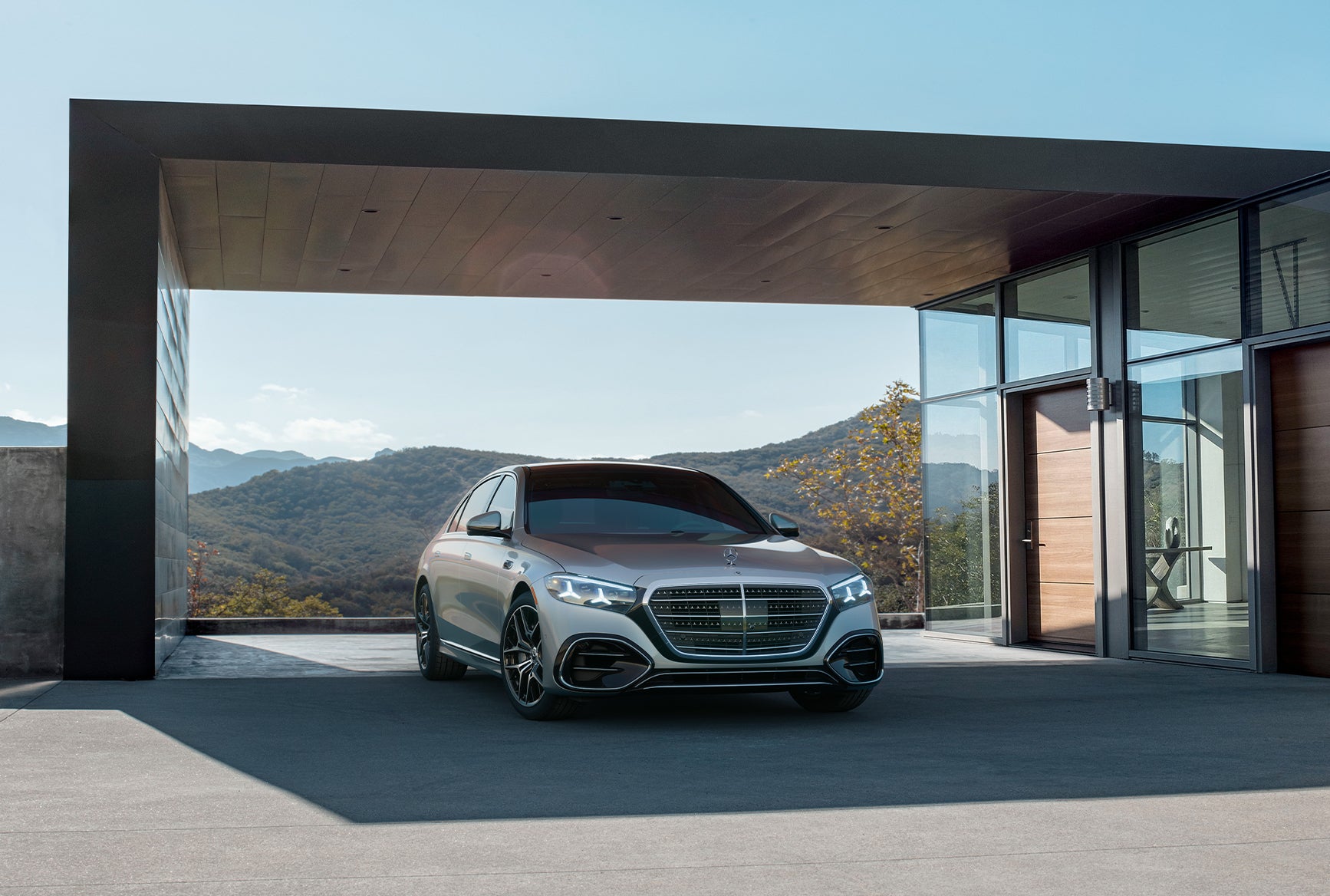
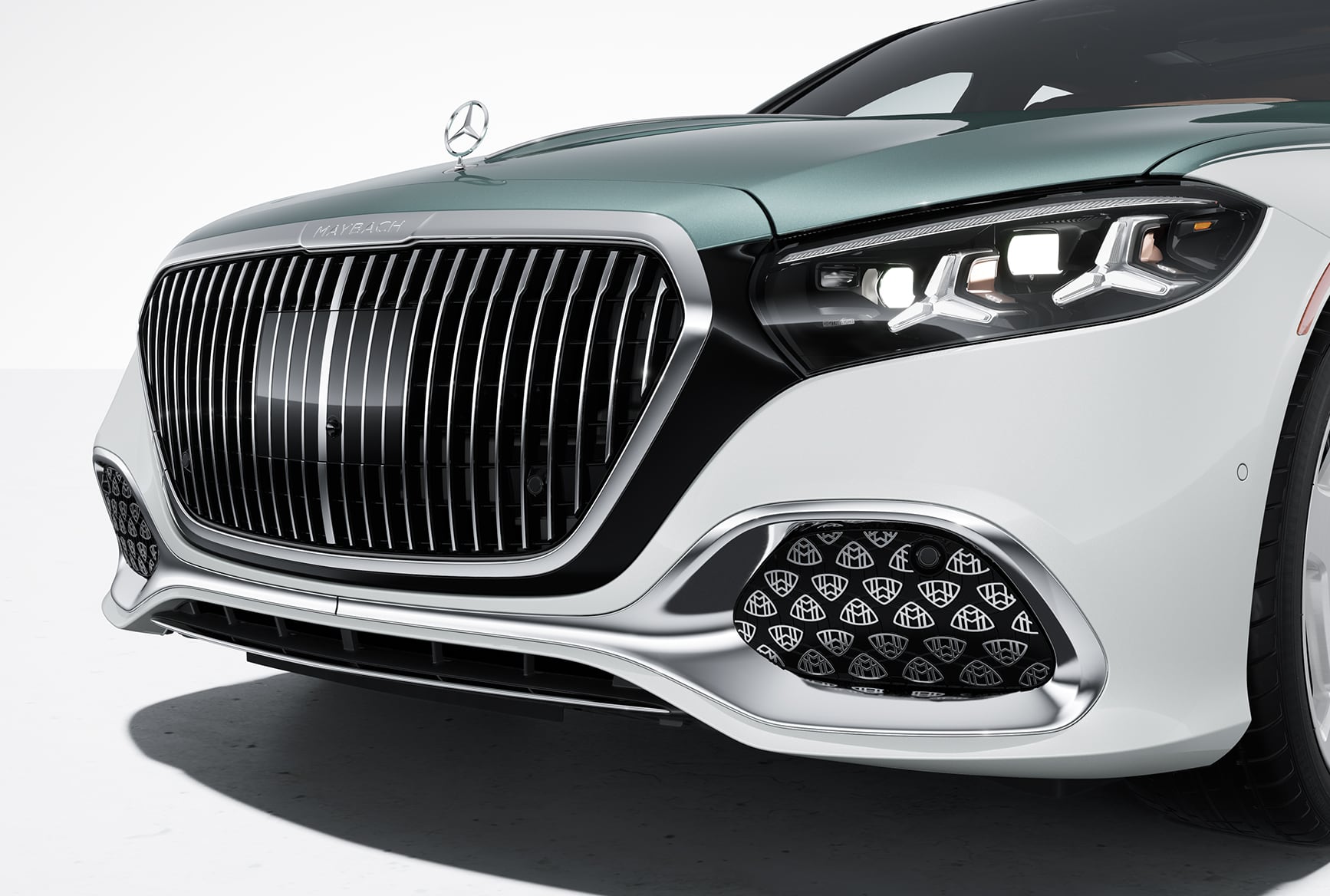
2027 Mercedes-Benz S-Class named MotorTrend Car of the Year.

2027 Mercedes-Benz S-Class Named MotorTrend Car of the Year

The Mercedes-Benz S-Class has spent generations setting expectations for luxury sedans. For 2027, it has given the rest of the industry another reason to pay attention. MotorTrend named the extensively updated flagship its 2027 Car of the Year on October 20, recognizing a sedan whose strongest qualities become apparent once it starts moving. The award follows changes to approximately 2,700 components, a new V8 engine, a more powerful computing platform and a cabin filled with thoughtful comfort features. Yet the quality that impressed MotorTrend’s judges was the way those pieces worked together. The S-Class delivered the quietness, ride comfort and composure expected of a flagship while remaining remarkably capable on a winding road. For anyone who enjoys the proportions and driving character of a full-size luxury sedan, the result is welcome news. The 2027 S-Class makes a persuasive case for a car designed around the experience of everyone inside it, whether they prefer the driver’s seat or the reclining seat behind it. Why the S-Class won MotorTrend’s Car of the Year award considers six areas: engineering excellence, advancement in design, value, safety, efficiency and performance of intended function. Each vehicle is evaluated against those criteria, with judges considering how successfully it fulfills its purpose. This year’s field included 16 nameplates represented by 22 variants. Testing began at a California proving ground before finalists moved onto public roads. That combination gave the judges opportunities to assess vehicle behavior under controlled conditions and on the surfaces owners encounter every day. The S 580 4MATIC Sedan stood out for the completeness of its luxury experience. Its powertrain remained smooth under load, its cabin stayed quiet at speed and its chassis combined comfort with precise control. These are qualities that cannot be reduced to a display size or horsepower figure. Together, they explain why the S-Class rose to the top. A familiar flagship with substantial changes The 2027 model is an extensive revision of the seventh-generation S-Class. More than half of the vehicle has been newly developed, updated or refined, making this a much broader undertaking than a few styling changes. Its proportions remain recognizable, but the front end has a stronger presence. The grille is approximately 20 percent larger, with an illuminated surround and chrome star detailing. An illuminated standing Mercedes-Benz star is available on the hood, while revised headlamps and taillamps carry their own star signatures. Check Out: Why Fall Is the Time to Prepare for Chicagoland Winter Those details give the sedan a distinctive appearance after dark. During the day, the long body and formal roofline preserve the visual character that has made the S-Class such an enduring executive car. New wheel designs provide another way to tailor its appearance, with choices that subtly change the overall impression. A new V8 for the S 580 The S 580 4MATIC Sedan introduces a revised 4.0-liter twin-turbocharged V8 with a flat-plane crankshaft. Mercedes-Benz lists 530 horsepower and estimates acceleration from 0 to 60 mph in 3.9 seconds. The engine is part of a broader effort to maintain substantial eight-cylinder performance while meeting evolving emissions requirements. Its development includes changes to the intake system, turbochargers and fuel injection. Mild-hybrid assistance complements the gasoline engine, and a nine-speed automatic transmission manages power delivery. For the driver, the appeal lies in having that performance readily available without disrupting the cabin’s calm. MotorTrend’s judges praised the engine’s refinement and the sedan’s ability to accelerate with little apparent strain. A flagship should feel equally comfortable settling into a highway cruise and responding decisively when the road opens up. Six-cylinder and plug-in hybrid choices The S 500 4MATIC Sedan uses a 3.0-liter inline-six producing 442 horsepower. Mercedes-Benz estimates a 4.3-second sprint to 60 mph, giving the entry point to the range substantial performance of its own. The S 580e 4MATIC Sedan combines a six-cylinder engine with an electric motor for 576 horsepower of total system output. It offers a different approach to the flagship experience, pairing plug-in hybrid capability with the space and comfort of the S-Class. Its estimated 0-to-60-mph time is 4.4 seconds. All three use 4MATIC all-wheel drive and a nine-speed automatic transmission. The choice centers on powertrain character and how the vehicle will be used. The six-cylinder model emphasizes an already generous balance of performance and refinement, the V8 adds greater urgency, and the plug-in hybrid introduces the opportunity to make some journeys using electric power. Suspension that anticipates the road Standard AIRMATIC air suspension gives the S-Class an important foundation for its ride quality. Available E-ACTIVE BODY CONTROL adds more sophisticated control of body movement, helping the large sedan maintain its composure as the road changes. The updated suspension technology can also use shared road information. Connected vehicles can report significant bumps and potholes, allowing an appropriately equipped S-Class approaching the same location to adjust its damping in advance. The benefit is a more prepared response to a rough stretch of pavement. Rear-axle steering is standard, with 4.5 degrees of steering movement. An available 10-degree system further improves maneuverability. In a car of this size, that is a meaningful convenience when turning into a tight garage, navigating a parking structure or maneuvering on a narrow street. It also helps make the sedan feel more manageable from behind the wheel. A cabin designed around comfort The S-Class interior remains a major part of its appeal. Available MANUFAKTUR finishes bring richly detailed upholstery and trim, while the seating and cabin equipment create numerous opportunities to personalize the atmosphere. Available heated front seat belts extend the comfort features beyond familiar heated seats and armrests. They are a small detail, but one that fits naturally into a sedan intended to make cold-weather travel more pleasant. Mercedes-Benz has also revised practical elements such as the placement of wireless phone chargers. The rear cabin can become an especially inviting place with available Executive equipment. Reclining seating and a footrest create room to stretch out, while available heating, ventilation and massage functions make longer journeys more comfortable. Optional rear entertainment adds two 13.1-inch displays. For owners who regularly travel with passengers, the back seat deserves as much attention as the driving position. A new digital experience The standard MBUX Superscreen gives the dashboard a different visual character. A 14.4-inch central display and a 12.3-inch passenger display sit beneath a shared glass surface, while a separate 12.3-inch display presents information to the driver. Behind the screens is MB.OS, the Mercedes-Benz Operating System. It connects vehicle systems and supports over-the-air software updates. Fourth-generation MBUX adds an AI-assisted voice interface designed to handle more conversational requests, along with updated navigation and personalization features. The technology is extensive, but the update also brings physical controls back to the steering wheel. That combination is useful in a car with so many functions: digital displays provide flexibility, while familiar buttons put selected adjustments directly under the driver’s fingers. Available augmented-reality navigation and Burmester audio provide further ways to configure the cabin around personal preferences. Driver assistance and everyday refinement The S-Class also advances its driver-assistance and parking technology. Cameras, radar and ultrasonic sensors support systems designed to help with tasks ranging from highway travel to maneuvering into a parking space. The expanded MB.DRIVE ASSIST PRO system is intended to add further capabilities, including point-to-point assistance through later software availability. It was not activated during MotorTrend’s award evaluation. These remain assistance features, with the driver responsible for monitoring the road and taking control when required. That distinction keeps the award in perspective. The S-Class earned its recognition through the vehicle the judges could evaluate: its engine, chassis, cabin and overall execution. Future software features add another chapter to the story, but the sedan’s fundamental strengths are already central to its appeal. A flagship that earns its place This week’s coverage places reported starting prices around $114,000 for the S 500 and $136,000 for the S 580. Optional equipment can substantially change the final price, particularly with extensive interior and rear-seat upgrades. The 2027 S-Class rewards attention because its engineering serves a clear purpose. Strong acceleration, thoughtful comfort features and a controlled ride contribute to a sedan that can make ordinary travel feel more considered. MotorTrend’s award recognizes that achievement and brings renewed attention to one of the defining names in luxury motoring. To explore the 2027 Mercedes-Benz S-Class and arrange a test drive when available, contact Loeber Motors in Lincolnwood. Check Out: The 2027 Mercedes-Maybach S-Class Embodies True Ultra-Luxury Quick Answers The Mercedes-Benz S-Class won MotorTrend’s 2027 Car of the Year award, announced October 20, 2026. The extensively updated sedan includes approximately 2,700 new or revised components. The range includes the 442-horsepower S 500, 530-horsepower S 580 and 576-horsepower S 580e plug-in hybrid. Standard equipment includes 4MATIC all-wheel drive, AIRMATIC air suspension and rear-axle steering. Frequently Asked Questions Which Mercedes-Benz won MotorTrend’s 2027 Car of the Year? The Mercedes-Benz S-Class won the award. MotorTrend evaluated an S 580 4MATIC Sedan during its judging process. What is new for the 2027 Mercedes-Benz S-Class? The update includes approximately 2,700 new or revised components, a revised V8 engine, MB.OS, fourth-generation MBUX, the standard MBUX Superscreen, exterior changes and updated comfort and assistance technology. How fast is the 2027 S-Class? Mercedes-Benz estimates 0 to 60 mph in 4.3 seconds for the S 500, 3.9 seconds for the S 580 and 4.4 seconds for the S 580e plug-in hybrid. Does the 2027 S-Class have a Hyperscreen? The updated sedan has the standard MBUX Superscreen. Its 14.4-inch central display and 12.3-inch passenger display are complemented by a separate 12.3-inch driver display. How much does the 2027 S-Class cost? This week’s award coverage reports starting prices around $114,000 for the S 500 and $136,000 for the S 580. Confirm the MSRP, destination charge, options and other applicable charges for a specific vehicle. Key Specifications Model year: 2027 Award: MotorTrend Car of the Year Announcement date: October 20, 2026 S 500 engine: 3.0-liter inline-six S 500 power: 442 hp S 580 engine: 4.0-liter twin-turbocharged V8 S 580 power: 530 hp S 580e power: 576 hp combined Transmission: Nine-speed automatic Drivetrain: 4MATIC all-wheel drive Suspension: Standard AIRMATIC; available E-ACTIVE BODY CONTROL Rear-axle steering: 4.5 degrees standard; 10 degrees available Expert Summary The 2027 Mercedes-Benz S-Class combines extensive engineering updates with the comfort and refinement expected of a flagship sedan. Its MotorTrend Car of the Year win reflects the overall execution of the vehicle, particularly the S 580’s smooth V8 performance and accomplished chassis. Three powertrain choices, standard air suspension and rear-axle steering, and an extensively updated cabin give the range considerable breadth. 0–60 mph: 4.3 seconds S 500; 3.9 seconds S 580; 4.4 seconds S 580e, manufacturer estimates

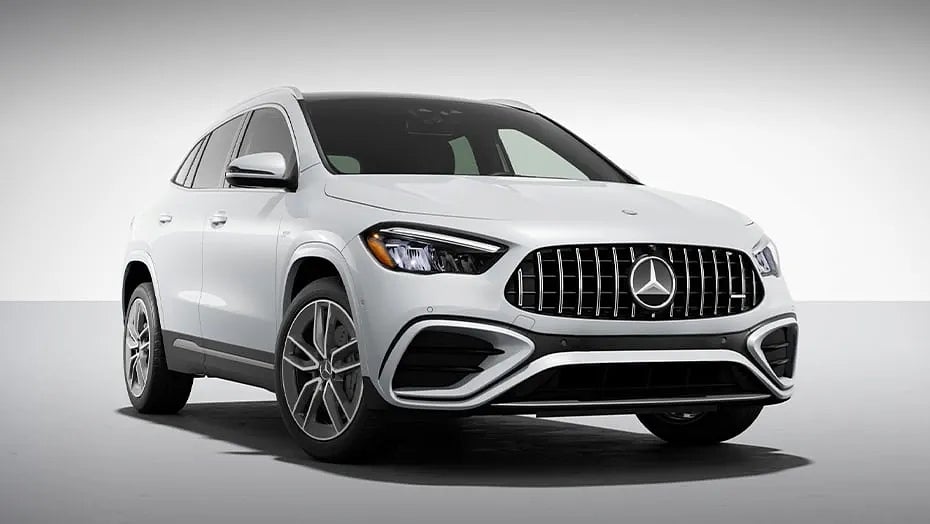
White 2028 Mercedes-Benz GLA Electric compact SUV shown from the front

The 2028 Mercedes-Benz GLA Electric Is Coming—and It’s a Big Leap Forward

The next Mercedes-Benz GLA arrives with a longer body, more passenger room and an electric drivetrain capable of charging at speeds that would have sounded exotic only a few years ago. The 2028 GLA Electric moves onto Mercedes-Benz MMA architecture and will be offered in the U.S. as the rear-wheel-drive GLA 250+ Electric and all-wheel-drive GLA 350 4MATIC Electric. The GLA 250+ produces 268 horsepower, while the GLA 350 4MATIC Electric adds a second motor and raises output to 349 horsepower. Mercedes-Benz estimates the GLA 350 can reach 60 mph in 5.3 seconds. Both use an 85-kWh battery and an 800-volt electrical system capable of DC fast charging at up to 320 kW. The GLA 250+ is the range-oriented version, while the GLA 350 4MATIC puts more emphasis on acceleration and all-weather traction. Charging is one of the most impressive parts of the new GLA. Mercedes-Benz says the 800-volt system can add approximately 167 miles of range in 10 minutes under suitable conditions, a figure that makes the GLA far more practical for highway travel than an EV that needs a long stop every time its battery gets low. The GLA 250+ has a preliminary WLTP range of up to approximately 408 miles, although the U.S. EPA figure has not yet been announced and will almost certainly be lower. Car and Driver estimates that something in the neighborhood of 350 miles under EPA testing may be realistic. The final number matters, but the combination of a relatively efficient 85-kWh battery and 320-kW charging is already encouraging. An owner traveling from Chicago to Milwaukee, Madison, Door County or western Michigan could cover substantial distances and recover a useful amount of range during a short food or coffee stop instead of building the day around charging. The redesigned GLA is also noticeably larger than the vehicle it replaces. The wheelbase stretches approximately 2.4 inches and overall length increases by roughly six inches, while the body becomes slightly lower and the tracks grow wider. The extra length gives Mercedes-Benz more room for passengers, particularly in the rear seat, without turning the GLA into another oversized luxury SUV. That distinction has always been important to this model. The GLA works well in places where a GLS can become a nuisance, including crowded city streets, downtown garages and older parking structures designed when vehicles were considerably smaller. The new model has more room to breathe inside, but it remains compact enough to preserve the basic character that has made the GLA useful. The electric architecture also creates storage space where the gasoline engine used to be. The front trunk gives owners a separate place for charging equipment, smaller bags and other items that do not need to occupy the main cargo compartment. It is a practical detail that becomes surprisingly useful in everyday EV ownership, particularly when charging cables are wet, dirty or covered with winter grime. Mercedes-Benz has also paid attention to towing capability and general utility, helping the new GLA function as a genuine small SUV rather than an electric hatchback sitting a few inches higher off the pavement. The exterior has been thoroughly redrawn. Mercedes-Benz star motif appears prominently in the lighting, including star-shaped elements in the headlights, and the electric GLA receives an illuminated front treatment that gives it a distinctive appearance after dark. Flush door handles contribute to the clean profile and aerodynamic work, while the longer wheelbase gives the vehicle more balanced proportions. The outgoing GLA could look slightly stubby from certain angles; the extra length gives the new model a more substantial stance without making it look heavy. Wheel sizes and exterior treatments will vary by configuration, but the overall design clearly places the GLA alongside the newest generation of Mercedes-Benz vehicles rather than treating it as a warmed-over version of the current SUV. Inside, Mercedes-Benz has given its smallest SUV technology that would have been flagship material not long ago. The available MBUX Superscreen stretches three displays across the dashboard, including a 10.3-inch driver display, a 14-inch central touchscreen and a separate 14-inch display for the front passenger. The latest MBUX system runs on Mercedes-Benz new operating architecture and uses advanced conversational technology to handle navigation, vehicle functions and information requests through more natural voice commands. The value of that technology will depend on how easily drivers can use it without taking their attention from the road. A complicated digital dashboard is not an improvement if basic functions require hunting through menus, and Mercedes-Benz has put considerable effort into making voice interaction a practical shortcut rather than a novelty. The roof may be the most flamboyant part of the cabin. A large glass roof brings considerably more daylight inside, while available SKY CONTROL can alter its transparency. Mercedes-Benz has also incorporated illuminated stars into the roof, extending the star motif from the exterior lighting into the cabin. It is a conspicuous bit of theater in what remains the company’s smallest SUV, but the GLA has never had to behave like an economy model simply because it sits at the bottom of the Mercedes-Benz SUV range. Buyers shopping luxury vehicles increasingly expect the lighting, screens, audio and ambient features that once belonged exclusively to six-figure flagships. The GLA 350 4MATIC Electric should be especially interesting in the Chicago area. Its dual-motor system brings all-wheel drive along with the stronger 349-horsepower output, giving drivers additional traction when roads turn snowy or icy. Proper winter tires remain important, but all-wheel drive is understandably attractive in a region where weather can change quickly and residential streets may remain messy long after the expressways have been cleared. The GLA’s compact dimensions are equally useful during the rest of the year. A vehicle that can handle winter weather without becoming cumbersome in Lincoln Park, Lakeview, Evanston or a downtown parking garage occupies a useful niche. The GLA 250+ Electric makes a different case. Drivers who place range and efficiency ahead of maximum performance may prefer its single-motor rear-wheel-drive layout. With 268 horsepower, it is hardly underpowered, and the absence of a second drive motor helps keep the emphasis on efficiency. Buyers who charge at home and primarily use the vehicle for commuting may find the GLA 250+ particularly appealing, while the 320-kW maximum charging capability gives it the hardware needed for occasional long trips. The choice between the two models is unusually straightforward: the GLA 250+ favors range, while the GLA 350 4MATIC adds power and all-wheel-drive traction. Mercedes-Benz has also changed the way it presents its electric vehicles. Rather than placing the GLA Electric into a separate EQ family with its own unfamiliar model name and body, the electric drivetrain now sits directly inside the established GLA lineup. That makes sense for buyers. Someone who already likes the size and position of the GLA can choose an electric version without moving into a completely different branch of the Mercedes-Benz catalog. The exterior and interior also share their basic design with the new hybrid GLA, allowing the powertrain choice to remain exactly that: a powertrain choice. The 2028 Mercedes-Benz GLA Electric is expected to reach U.S. dealerships during the second half of 2027. Final American pricing and EPA range figures have not yet been announced, and U.S. equipment packages will become clearer as the launch approaches. The specifications Mercedes-Benz has already released give the GLA Electric a strong foundation: an 85-kWh battery, 800-volt architecture, charging at up to 320 kW, a choice of rear- or all-wheel drive and substantially more passenger room than before. For Loeber Motors in Lincolnwood customers interested in electric driving without moving into a large SUV, the redesigned GLA could be one of the most useful new Mercedes-Benz arrivals of 2027. Features of the 2028 Mercedes-Benz GLA Electric GLA 250+ Electric The rear-wheel-drive GLA 250+ Electric produces 268 horsepower and is configured with an emphasis on driving range and efficiency. It uses the larger 85-kWh NMC battery and the same 800-volt charging architecture as the GLA 350 4MATIC Electric. GLA 350 4MATIC Electric The GLA 350 4MATIC Electric adds a second electric motor and all-wheel drive, increasing output to 349 horsepower. Mercedes-Benz estimates 0-to-60-mph acceleration in 5.3 seconds. 85-kWh Battery The GLA 250+ Electric and GLA 350 4MATIC Electric use an 85-kWh NMC battery. Official U.S. EPA range figures have not yet been released. 320-kW DC Fast Charging The 800-volt electrical architecture supports DC charging at up to 320 kW at a compatible high-power charging station. Mercedes-Benz says approximately 167 miles of range can be added in 10 minutes under suitable conditions. Larger Passenger Cabin The redesigned GLA gains approximately 2.4 inches in wheelbase and roughly six inches in overall length, giving Mercedes-Benz additional room for passengers while keeping the vehicle relatively compact. Available MBUX Superscreen The available Superscreen combines a 10.3-inch driver display with a 14-inch central touchscreen and 14-inch front-passenger display. Key Specifications Model Year: 2028 Expected U.S. Arrival: Second half of 2027 U.S. Electric Models: GLA 250+ Electric and GLA 350 4MATIC Electric GLA 250+ Output: 268 hp GLA 350 4MATIC Output: 349 hp GLA 350 0–60 MPH: 5.3 seconds Battery: 85 kWh Electrical Architecture: 800 volts Maximum DC Fast-Charging Rate: 320 kW Drivetrain: Rear-wheel drive or 4MATIC all-wheel drive Quick Answers When is the 2028 Mercedes-Benz GLA Electric coming to the United States? The redesigned GLA Electric is expected to reach U.S. dealerships during the second half of 2027 as a 2028 model. How much horsepower does the 2028 Mercedes-Benz GLA Electric have? The GLA 250+ Electric produces 268 horsepower. The dual-motor GLA 350 4MATIC Electric produces 349 horsepower. Does the 2028 GLA Electric have all-wheel drive? The GLA 350 4MATIC Electric has dual-motor all-wheel drive. The GLA 250+ Electric uses a single rear motor and rear-wheel drive Frequently Asked Questions What is the range of the 2028 Mercedes-Benz GLA Electric? An official EPA range has not yet been announced. The GLA 250+ has been rated at up to approximately 408 miles under the European WLTP testing cycle. U.S. EPA testing uses a different methodology and is expected to produce a lower figure. How quickly can the 2028 GLA Electric charge? The 800-volt electrical system supports DC fast charging at up to 320 kW at a compatible station. Mercedes-Benz says approximately 167 miles of range can be added in about 10 minutes under appropriate conditions. Is the new Mercedes-Benz GLA larger than the current model? Yes. The redesigned GLA gains approximately 2.4 inches in wheelbase and roughly six inches in overall length, providing additional interior room. Which GLA Electric makes the most sense for Chicago? The GLA 350 4MATIC Electric should appeal to Chicago-area drivers who want all-wheel drive and stronger performance for year-round driving. The GLA 250+ Electric is likely to appeal more to buyers who place maximum driving range and efficiency higher on their list. Expert Summary The 2028 Mercedes-Benz GLA Electric gives Mercedes-Benz a thoroughly modern entry in the compact electric luxury SUV market. The GLA 250+ Electric combines 268 horsepower with a range-oriented rear-wheel-drive configuration, while the 349-horsepower GLA 350 4MATIC Electric adds dual-motor all-wheel drive. Both benefit from an 85-kWh battery, 800-volt architecture and charging speeds up to 320 kW. The longer wheelbase and expanded cabin address one of the outgoing GLA’s limitations without sacrificing the manageable dimensions that make the model useful around Chicago. For Loeber Motors in Lincolnwood customers waiting for a smaller electric Mercedes-Benz SUV, the 2028 GLA Electric should be an important arrival.

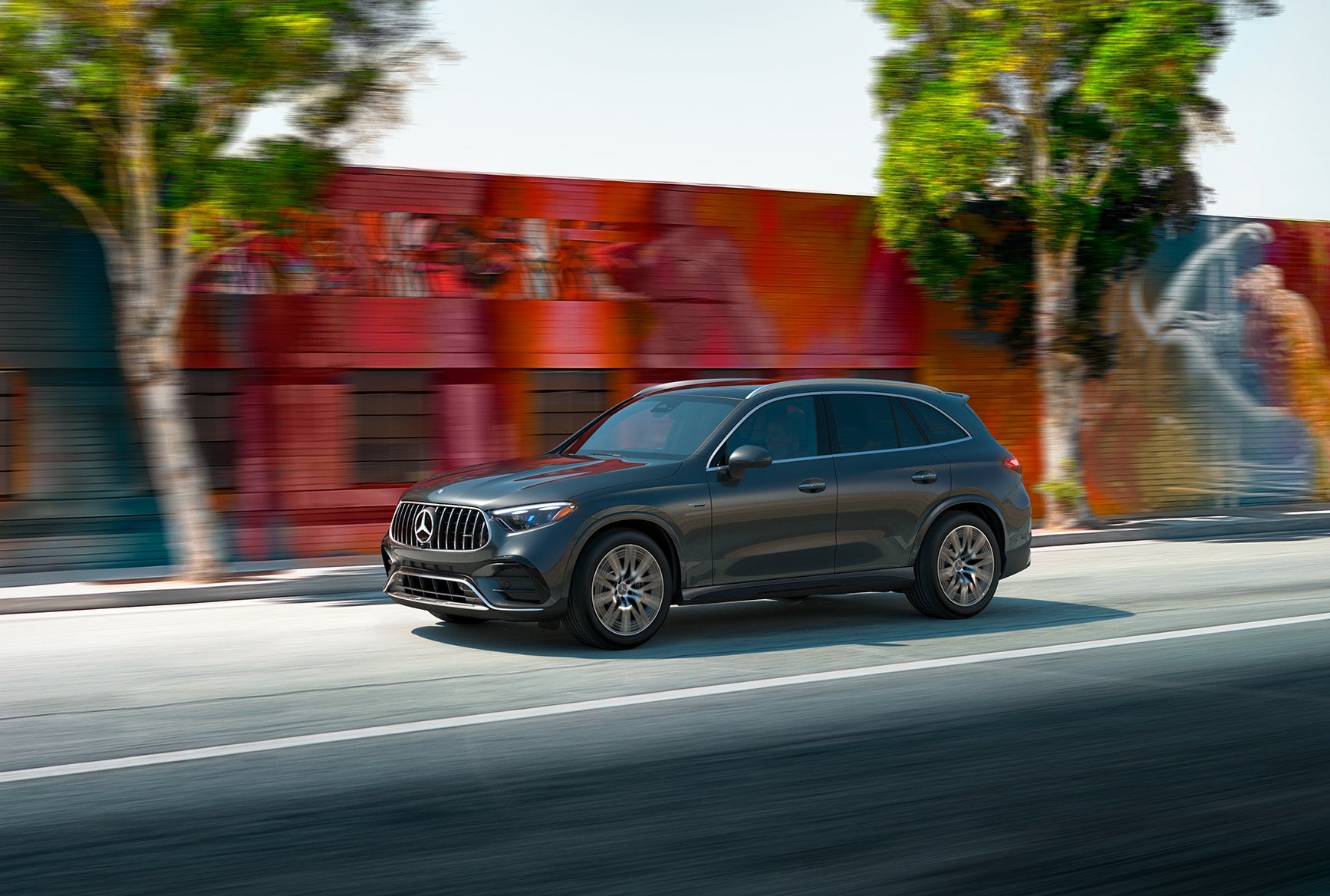
A Mercedes-Benz GLC cruises through the city, offering compact versatility for Chicagoland fall driving.

Mercedes-Benz GLE vs. GLC: Which SUV Fits Your Chicagoland Fall

Every Mercedes-Benz SUV shopper walking onto the Loeber Motors lot this fall eventually narrows the field to a version of the same question: the GLC that handles like the sedan it's built alongside, or the GLE that has the room a growing family or a loaded trunk actually needs. Both wear the three-pointed star. Both get 4MATIC® all-wheel drive. The difference comes down to scale. Check Out: Latest Mercedes GLC Inventory The GLC rides on a 113.1-inch wheelbase and stretches 185.7 inches overall, numbers that make it easy to park in a North Shore garage built decades before SUVs this size were common. Cargo space runs 21.9 cubic feet behind the rear seats, expanding to 56.3 cubic feet with those seats folded down. That's enough for a Costco run or a weekend bag for two, and for buyers whose SUV mostly handles the Edens Expressway commute and the occasional Fox River Valley day trip, it's rarely a limiting number. The GLE steps up in every dimension that matters to a bigger household. Its wheelbase runs to roughly 117.9 inches, and overall length reaches close to 194 inches, nearly a foot longer than the GLC. Cargo space starts at 22.25 cubic feet behind the standard second row, climbs to 29 cubic feet with the optional power-adjustable second row, and reaches 72.6 cubic feet with that row folded flat. For a family loading up for a Door County weekend or hauling gear for a season of youth sports out of a North Shore driveway, that difference between 56.3 and 72.6 cubic feet is the one that actually decides a purchase. Both SUVs get the new Mercedes-Benz Operating System, MB.OS, for 2027, which brings a faster, more capable version of MBUX to either dashboard along with an AI voice assistant that learns a driver's habits over time. Neither model gives up anything on the technology side to the other; the GLC's third-generation MBUX and the GLE's MB.OS run on comparably modern hardware, so a buyer choosing the smaller SUV isn't settling for an older infotainment experience. Read More: Why a Certified Pre-Owned Mercedes-Benz EQS Makes Perfect Sense in Chicagoland Where the two diverge again is in what's underneath. The GLC's core engine lineup centers on the GLC 300's turbocharged four-cylinder, tuned for the kind of daily efficiency that matters on a car doing five days a week of Chicagoland commuting. The GLE, particularly in its new AMG GLE 53e HYBRID form, brings a 3.0-liter turbocharged inline-six paired with an electric motor for a combined 577 horsepower and 553 lb-ft of torque, enough for a 4.4-second run to 60 mph in a vehicle that can also carry seven passengers when the optional third row is specified. That's a genuinely different kind of SUV than the GLC is trying to be, built for buyers who want a three-row family hauler that still drives like something with a Mercedes-AMG badge on it. 4MATIC® ties both SUVs together in a way that matters more once the Chicagoland forest preserves start losing their leaves. The system has been a core part of Mercedes-Benz engineering for more than 120 years, refined continuously since the 4MATIC® name itself arrived in 1985, and it stays continuously engaged rather than waiting for a wheel to slip before sending torque where it's needed. On both the GLC and GLE, 4MATIC® integrates directly with the standard Electronic Stability Program for what Mercedes-Benz describes as maximum effectiveness in corners and slippery conditions, though the system can't overcome the basic physics of standard all-season tires on packed snow. Mercedes-Benz is explicit on that point in its own published guidance: best performance in snow is obtained with winter tires, a detail Loeber Motors walks every 4MATIC® buyer through regardless of which body style they choose. Towing capability separates the two further for buyers heading toward a North Shore marina or up to a lake house for the season. The GLE's larger frame and available towing packages put real boat-and-trailer capability within reach in a way the GLC, built on a smaller platform, generally isn't intended to match. For a buyer who never tows anything heavier than a bike rack, that difference rarely factors into the decision at all. What ultimately separates a GLC buyer from a GLE buyer isn't badge snobbery or price alone, it's how much SUV a household actually needs to live with every day. Buyers commuting alone or as a couple, parking in tighter North Shore or Glencoe garages, and rarely filling the cargo area past a weekend's worth of luggage tend to find the GLC does everything they need without the extra length. Buyers hauling kids, gear, and the accumulated cargo of a full family life, particularly those eyeing the GLE's available third row, find the extra foot of length pays for itself the first time they need it. Loeber Motors keeps both SUVs on the lot specifically so that comparison happens behind the wheel rather than on a spec sheet, since a fifteen-minute back-to-back test drive tends to answer the size question faster than any cargo number can. Quick Answers Cargo Space (GLC): 21.9 cu ft behind rear seats / 56.3 cu ft folded Cargo Space (GLE): 22.25–29 cu ft behind rear seats / 72.6 cu ft folded Wheelbase: GLC 113.1 in / GLE approx. 117.9 in Overall Length: GLC 185.7 in / GLE approx. 194 in All-Wheel Drive: 4MATIC® standard across both lineups Frequently Asked Questions What's the main difference between the GLC and GLE? Size and capability. The GLE is nearly a foot longer than the GLC, with significantly more cargo room, an available third row, and stronger towing capability, while the GLC offers a more compact footprint for easier parking and daily driving. Does the GLE offer a third row of seating? Yes, an optional third row is available on the GLE, expanding seating from five to seven, something the GLC's smaller platform doesn't offer. Is 4MATIC® all-wheel drive standard on both SUVs? 4MATIC® is available across the GLC and GLE lineups and integrates with the standard Electronic Stability Program. Mercedes-Benz recommends winter tires for the best performance in snow and ice regardless of trim. Which SUV is better for towing? The GLE generally offers stronger towing capability thanks to its larger platform and available towing packages, making it the better choice for buyers hauling a boat or trailer. Do the GLC and GLE share the same technology? Both get the new Mercedes-Benz Operating System (MB.OS) for 2027, with comparably modern MBUX infotainment and AI voice assistant capability across either model. Expert Summary Choosing between the Mercedes-Benz GLC and GLE comes down to how much SUV a household genuinely needs, not which one carries more prestige. Both share 4MATIC® all-wheel drive and the new MB.OS infotainment platform for 2027, so neither buyer is settling for less technology. The real split is cargo room, seating, and towing: the GLC's tighter footprint suits daily Chicagoland driving and easier parking, while the GLE's extra length, available third row, and stronger towing capability serve families and buyers who regularly load the SUV to its limits. Loeber Motors keeps both on the lot specifically so that decision can be made behind the wheel.

Two men speaking on stage at a 50th anniversary celebration.

Loeber Motors Proudly Sponsors the Lincolnwood Chamber Orchestra’s September Performances

Loeber Motors was proud to sponsor the Lincolnwood Chamber Orchestra for two wonderful September performances: Poland Remembered and iOlé! We're grateful to support the arts and help bring exceptional music and inspiring performances to our Chicago community.

Mercedes-Benz SUV with 4MATIC® all-wheel drive preparing for Chicagoland winter driving

4MATIC® All-Wheel Drive: Why Fall Is the Time to Prepare for Chicagoland Winter

Every Mercedes-Benz buyer who waits until the first snowfall to think about winter traction has already missed the easier part of that decision. Fall, while the Edens Expressway is still dry and the North Shore forest preserves are still turning color, is when a 4MATIC® purchase or a winter tire order actually has time to matter before conditions demand it. 4MATIC® isn't a new idea Mercedes-Benz rushed to market to compete with the moment. All-wheel drive has been part of the brand's engineering tradition for more than 120 years, and the 4MATIC® name itself has carried that tradition since 1985, refined across four decades to meet what Mercedes-Benz describes as the highest standards for driving stability, safety, and dynamic performance. The system stays continuously engaged rather than activating only after a wheel starts to slip, and it integrates directly with the standard Electronic Stability Program for what the brand calls maximum effectiveness in corners and slippery conditions. Read More: Why a Certified Pre-Owned Mercedes-Benz EQS Makes Perfect Sense in Chicagoland That continuous engagement is the detail that separates 4MATIC® from the reactive all-wheel-drive systems that dominated the segment a generation ago. On a hard freeze followed by a fast melt, the kind of Chicagoland pattern that turns a Winnetka side street into a mix of packed snow, standing water, and black ice by the time evening commuters are heading home, a system that's already distributing torque before a wheel loses grip responds differently than one still waiting for a sensor to detect a slip already underway. None of that changes one fact Mercedes-Benz states plainly in its own published guidance: 4MATIC® cannot overcome the laws of physics, and best performance in snow is obtained with winter tires. The GLC 300, like most SUVs in the lineup, ships standard with 19-inch all-season wheels explicitly not designed for snow and ice. That's not a limitation unique to Mercedes-Benz. It's simply the tradeoff every all-season tire makes for year-round comfort and tread life, and it's the reason Loeber Motors treats a 4MATIC® test drive and a winter tire conversation as two parts of the same appointment rather than separate decisions. Fall is the ideal window for that second half of the conversation precisely because it isn't urgent yet. A winter tire and wheel package ordered in September or October arrives and gets mounted before the first hard freeze, rather than during the week Chicagoland's tire shops are booked solid because everyone waited for the same storm to make the decision for them. The same logic applies to scheduling a 4MATIC® test drive itself: a dry October afternoon shows a buyer how the car handles day to day, while a conversation about what 4MATIC® does and doesn't solve for happens without the pressure of black ice already on the road that morning. Check Out: Latest Mercedes GLC Inventory 4MATIC®'s reach across the current Mercedes-Benz SUV and sedan lineup means the decision isn't really about which specific model to buy, it's about which trim within a model to choose. Both the GLC and GLE offer 4MATIC® across their range, as do the brand's sedans, which means a Chicagoland buyer cross-shopping a rear-wheel-drive GLC 300 against a GLC 300 4MATIC® is deciding how much winter capability to build into a car they'll be driving through at least one North Shore winter before the next model year arrives. For most buyers planning to keep a car through more than a single Chicagoland winter, that decision resolves itself quickly. There's a practical timing benefit specific to fall shopping, too. Dealership inventory tends to be deepest heading into the fourth quarter, before winter storms start affecting delivery logistics and before the models a buyer wants most get thinned out by other shoppers making the same seasonal calculation. A 4MATIC® GLE or GLC ordered or selected off the lot in October is a car with time to get winter tires mounted, a driver acclimated to how the all-wheel-drive system behaves, and a first snow that arrives as a routine commute rather than a surprise. That's the case for treating fall as the real start of winter-prep season rather than late November. The mechanical advantage 4MATIC® provides doesn't change based on the calendar, but a buyer's ability to prepare around it does. Loeber Motors keeps 4MATIC®-equipped models across the GLC and GLE lineups on the lot through the fall specifically so that preparation, tire package included, can happen on a dry afternoon rather than a snowy one. Quick Answers 4MATIC® Introduced: 1985, with an all-wheel-drive tradition dating back more than 120 years Availability: Standard or available across GLC, GLE, and other Mercedes-Benz SUV and sedan trims Best Winter Performance: Requires winter tires per Mercedes-Benz's own guidance Standard GLC Tires: 19-inch all-season, not designed for snow and ice Best Time to Prepare: Fall, before dealership tire demand peaks and storms begin Frequently Asked Questions What does 4MATIC® actually do? 4MATIC® is Mercedes-Benz's all-wheel-drive system, continuously engaged and integrated with the standard Electronic Stability Program to optimize torque distribution in corners and slippery conditions. Does 4MATIC® mean winter tires aren't necessary? No. Mercedes-Benz states directly that best performance in snow is obtained with winter tires, since 4MATIC® cannot overcome the physical limits of a standard all-season tire on ice or packed snow. Which Mercedes-Benz models offer 4MATIC®? 4MATIC® is available across the GLC and GLE SUV lineups, along with other Mercedes-Benz sedans and SUVs, giving Chicagoland buyers a range of models to choose from with all-wheel-drive capability. Why should winter tires be ordered in the fall instead of winter? Ordering ahead of the season avoids the scheduling backlog that hits tire shops after the first major storm, and allows a buyer to get acclimated to a 4MATIC® vehicle's handling before winter conditions actually arrive. Is 4MATIC® standard or optional? It varies by trim. Some GLC and GLE trims offer 4MATIC® as standard equipment, while others list it as an available option, making it worth confirming trim-by-trim with a Loeber Motors sales advisor. Expert Summary 4MATIC®'s real advantage over a generation of reactive all-wheel-drive systems is that it stays continuously engaged rather than waiting for a wheel to lose grip, a distinction that matters most on the mixed snow, ice, and standing water that define a Chicagoland freeze-thaw cycle. Mercedes-Benz is direct about the system's limits, recommending winter tires for genuine snow performance regardless of drivetrain. Fall is the window where that full preparation, a 4MATIC®-equipped model paired with a proper winter tire package, can happen without the urgency of an active storm forcing the decision. Loeber Motors treats that pairing as a single conversation rather than two separate ones, timed specifically to the season when buyers still have the luxury of planning ahead.

White Mercedes-Benz SUV representing Loeber Motors’ J.D. Power Diamond recognition.

Eight Years Running: What Loeber Motors’ J.D. Power Diamond Recognition Means for Chicagoland Buyers

Loeber Motors has earned J.D. Power Dealer of Excellence recognition for eight consecutive years, from 2019 through 2026. For Chicagoland drivers, that achievement puts a record of customer experience. It recognizes an essential part of choosing a luxury vehicle: the people and process behind the purchase. The eight-year run also places Loeber Motors in the program’s Diamond tier, which recognizes dealerships that have achieved certification five or more times. Each year adds to a record built through customer research and verification of dealership practices. For the team in Lincolnwood, the 2026 recognition is another reason to celebrate the customers who make that work meaningful. Whether you are shopping for your first Mercedes-Benz or returning for your next one, the experience should help you make a confident decision. Understanding the vehicle, comparing your options and working through the purchase all deserve attention. Here is what Loeber Motors’ latest recognition means and how it connects to your next visit. What the J.D. Power Dealer of Excellence Program Recognizes The Dealer of Excellence program recognizes dealerships for the customer sales experience. Its purpose is to help shoppers identify retailers committed to the experience of buying a vehicle, from researching options to completing a purchase. That focus makes the designation relevant before you settle on a particular model. A luxury vehicle brings plenty to consider. You may be comparing seating arrangements, powertrains, technology or the difference between buying and leasing. The dealership experience helps you work through those decisions. Clear explanations and time to understand the choices can be as valuable during the shopping process as a detailed specifications sheet. The recognition addresses that dealership relationship. It is separate from an award for a vehicle’s engineering, reliability or performance. For buyers, the distinction is useful: research the Mercedes-Benz that suits your driving needs, then consider the dealership’s sales experience as another part of the decision. How Dealerships Earn the Recognition Qualification involves more than submitting a dealership’s name. J.D. Power’s program uses customer satisfaction research and verification of sales practices to evaluate participating retailers. Loeber Motors’ own award announcement describes recognition based on strong results in manufacturer customer research and completion of an in-dealership best practices verification visit. The program’s eligibility framework considers brand performance in J.D. Power’s Sales Satisfaction Index study. Interested dealerships must also perform well within their brands in relevant customer satisfaction measures. Qualifying retailers then undergo an assessment of the sales process inside the dealership. That combination connects customer feedback with dealership operations. Research addresses how buyers describe their experience, while the verification visit examines practices intended to support a positive purchase. The designation therefore has a defined customer experience focus beyond the appearance of a showroom or the selection of vehicles parked outside. For shoppers, the practical value is having another informed starting point. You can arrive with questions about a vehicle and an understanding that the dealership has earned recognition for the way it approaches the sales experience. What Diamond Status Means Diamond is the program’s tier for dealerships with five or more certifications. Loeber Motors’ eight consecutive years extend well beyond that threshold. Its record includes every year from 2019 through 2026, giving the latest recognition the context of an established history. Check Out: The 2028 Mercedes-Benz GLA Electric Is Coming—and It’s a Big Leap Forward Consistency matters because buying expectations continue to evolve. Some customers begin with extensive online research. Others want to sit in several vehicles before narrowing the choices. Returning owners may know the brand well but have questions about new technology or a different body style. A helpful sales experience needs to make room for those different starting points. Eight consecutive years of recognition give shoppers something concrete to consider alongside their own priorities. For Loeber Motors, the milestone of the September honor also acknowledges the ongoing work involved in helping customers navigate important decisions. The award celebrates a continuing commitment rather than a single memorable transaction. What It Means for Your Mercedes-Benz Shopping Experience Your next vehicle should fit the way you actually drive. A growing household might prioritize passenger space and access to the rear seats. A commuter might focus on cabin comfort and everyday convenience. Another buyer may want to understand how an available driver assistance feature works before choosing a configuration. Those questions belong in the shopping conversation. Bring the details that matter to you: who rides with you, what you carry, where you park and which features you use most. They help turn a broad search into a more focused comparison. The same approach applies when discussing a purchase or lease. Ask about the vehicle price, available terms, trade-in considerations and optional products. Understanding each part of the transaction helps you evaluate the complete proposal. The recognition gives context to the dealership’s customer experience; your conversation makes the visit specific to your needs. If you are researching a 2027 Mercedes-Benz, begin with the models that interest you and ask Loeber Motors about availability and configurations. Model specifications and the dealership experience work together: one helps you identify the right vehicle, and the other helps you understand the path to owning or leasing it. A Chicagoland Relationship Built Over Generations Loeber Motors traces its business history to 1936 and describes itself as a third-generation, family-owned dealership. Its Mercedes-Benz relationship dates to 1958. That history gives the latest award a local setting: a longstanding business continuing to serve drivers whose needs change over time. Today, the Lincolnwood location on West Touhy Avenue serves Chicagoland customers exploring Mercedes-Benz vehicles. Some arrive ready to replace a familiar model. Others are discovering the brand for the first time. A dealership relationship can begin with either conversation and develop as driving needs change. Check Out: Wet Adventures in the 2027 Mercedes-Benz GLS The 2026 recognition adds another chapter to that history. It is an opportunity to thank customers for their feedback and acknowledge the dealership team’s contribution to the sales experience. Eight consecutive years are a meaningful achievement, and the next customer conversation remains just as important. Plan Your Next Visit Bring your questions with you. Start online by exploring the Mercedes-Benz vehicles that interest you, then bring your questions to the showroom. Consider what you want to learn from a test drive and which features you would like demonstrated. If you have a trade-in or are comparing payment options, mention those priorities as you plan the visit. A useful test drive starts before you leave the lot. Adjust the seat, check visibility and try the controls you expect to use every day. If passenger access or cargo room matters, take time to explore those areas too. Ask for an explanation of unfamiliar features while you can see them in the vehicle. These are simple ways to make the appointment productive and connect your research with firsthand impressions. The goal is to leave with a clearer understanding of the vehicle and the information you need to consider your next step. Loeber Motors’ J.D. Power Dealer of Excellence recognition gives Chicagoland shoppers another reason to begin that conversation in Lincolnwood. The eight-year record celebrates a consistent focus on customers while keeping attention where it belongs: helping each buyer understand the choices ahead. About Loeber Motors Loeber Motors is a third-generation, family-owned dealership serving Chicagoland from 4255 West Touhy Avenue in Lincolnwood, Illinois. With business roots dating to 1936 and a Mercedes-Benz history beginning in 1958, the dealership helps drivers explore vehicles for changing lifestyles and driving needs. Contact Loeber Motors to discuss Mercedes-Benz models, confirm availability and arrange a showroom visit or test drive. Quick Answers Loeber Motors earned J.D. Power Dealer of Excellence recognition for eight consecutive years, from 2019 through 2026. The Lincolnwood dealership’s record places it in the program’s Diamond tier, which recognizes dealerships with five or more certifications. The program focuses on the customer sales experience and combines customer satisfaction research with verification of dealership sales practices. Loeber Motors is a third-generation, family-owned business with roots dating to 1936 and a Mercedes-Benz history beginning in 1958. Chicagoland shoppers can visit the dealership at 4255 West Touhy Avenue in Lincolnwood to explore Mercedes-Benz vehicles and discuss availability. Frequently Asked Questions 1. Did Loeber Motors receive J.D. Power recognition in 2026? Yes. J.D. Power’s Dealer of Excellence directory lists Loeber Motors for 2026 and every year back through 2019, establishing eight consecutive years of recognition. 2. What does Diamond status mean? Diamond is the Dealer of Excellence program’s tier for dealerships that have achieved certification five or more times. Loeber Motors’ eight-year consecutive record exceeds that threshold. 3. What does the Dealer of Excellence program recognize? The program recognizes the customer sales experience at qualifying dealerships. It gives shoppers a benchmark for the dealership side of purchasing a vehicle. 4. How do dealerships earn the recognition? The program considers customer satisfaction performance and requires verification of sales practices. Loeber Motors’ award announcement describes strong results in manufacturer customer research and completion of an in-dealership best practices verification visit. 5. Does this award rate Mercedes-Benz vehicle quality? The designation focuses on the dealership’s sales experience. Vehicle specifications, performance and reliability are separate considerations when choosing a Mercedes-Benz. 6. Where is Loeber Motors located? Loeber Motors serves Chicagoland from 4255 West Touhy Avenue in Lincolnwood, Illinois. Contact the dealership to plan a showroom visit or test drive. 7. Can I discuss 2027 Mercedes-Benz models with Loeber Motors? Yes. Buyers researching 2027 Mercedes-Benz vehicles can ask the dealership about models, configurations and availability. Confirm the specific vehicle and any test-drive arrangements before visiting. Key Specifications Recognition: J.D. Power Dealer of Excellence. Recognition Years: 2019 through 2026, eight consecutive years. Recognition Tier: Diamond, for dealerships with five or more certifications. What It Measures: The customer sales experience at the dealership. Qualification Process: Customer satisfaction evaluation and verification of dealership sales practices. Ownership: Third-generation, family-owned business. Location: 4255 West Touhy Avenue, Lincolnwood, Illinois. Buyer Benefit: An established record of sales experience recognition to consider alongside vehicle research and a personal showroom visit. Expert Summary Loeber Motors’ 2026 J.D. Power Dealer of Excellence recognition extends its consecutive record to eight years, from 2019 through 2026. Its Diamond status recognizes repeated certification within a program focused on the customer sales experience. The achievement gives Chicagoland shoppers a meaningful dealership credential alongside their Mercedes-Benz research. Buyers can use a visit to compare vehicles, explore features and discuss purchase or lease options. Loeber Motors’ third-generation family ownership and longstanding Mercedes-Benz history provide the local context for this continuing recognition. Sources: J.D. Power Dealer of Excellence Directory — https://www.jdpower.com/cars/ratings/dealer-of-excellence Loeber Motors Dealership History — https://www.loebermercedes.com/

White 2027 Mercedes-Benz GLE for outdoor date adventures around Chicago.

Best Outdoor Date Adventures Around the Chicago Area: Explore in the 2027 Mercedes-Benz GLE

The best date nights don’t always happen at a restaurant. Sometimes the most memorable experiences happen outdoors, exploring somewhere new, sharing an adventure, or simply escaping the routine for a few hours. Whether you’re planning a first date, celebrating an anniversary, or looking for a spontaneous weekend getaway, the right vehicle can make the experience even better. The 2027 Mercedes-Benz GLE is built for exactly this kind of flexibility. It combines luxury, capability, comfort, and cargo versatility in a package that feels equally at home downtown or on a scenic weekend escape. It also happens to be one of the most practical luxury SUVs for active couples who enjoy bringing bikes, paddleboards, hiking gear, cameras, or even wet dogs home after a day outdoors. For couples looking to spend more time outside and less time sitting in traffic, here are some of the best outdoor date destinations throughout Chicagoland. Morton Arboretum The Morton Arboretum offers one of the most beautiful outdoor experiences in the region. Miles of trails, seasonal displays, photography opportunities, and peaceful scenery create an ideal setting for couples who enjoy nature. The GLE feels particularly well-suited for these outings. Its comfortable ride, premium interior, and generous cargo area make it easy to bring everything needed for a full day of exploration. Check Out: Latest Mercedes GLC Inventory Waterfall Glen Forest Preserve Couples who enjoy hiking often gravitate toward Waterfall Glen because of its scenic trails and relaxing atmosphere. It’s a perfect destination for a low-pressure date that encourages conversation and shared experiences. The GLE’s versatile cargo area easily accommodates hiking gear, extra shoes, water bottles, picnic supplies, and outdoor equipment without sacrificing passenger comfort. Starved Rock Day Adventures A short road trip can sometimes feel like a mini-vacation. Starved Rock remains one of the most popular outdoor destinations in the region, offering dramatic scenery, hiking opportunities, and memorable views. This is where the GLE truly shines. Long-distance comfort, advanced driver-assistance systems, and a quiet cabin transform the journey itself into part of the experience. Lakefront Picnics and Sunset Walks Simple date ideas often create the strongest memories. Packing a picnic, finding a quiet place near the water, and enjoying a summer evening together remains one of the most timeless date experiences available. The GLE provides ample room for blankets, food, beverages, portable chairs, and everything else needed for a relaxed evening outdoors. Weekend Adventures with Dogs For many couples, outdoor adventures include four-legged family members. The GLE’s flexible cargo space and durable practicality make it an excellent choice for dog-friendly destinations. Whether you’re visiting trails, beaches, parks, or open recreation areas, the GLE handles muddy shoes, wet dogs, and outdoor gear with confidence while maintaining the luxury environment expected from Mercedes-Benz. Also Read: Why a Certified Pre-Owned Mercedes-Benz Makes Perfect Sense in Chicagoland Why the 2027 Mercedes-Benz GLE Is Built for Weekend Adventures Versatile Cargo Space The GLE easily accommodates hiking gear, bicycles, picnic supplies, photography equipment, and outdoor essentials. Comfortable Long-Distance Driving Its refined ride quality makes spontaneous road trips far more enjoyable. Luxury Interior Environment Premium materials and advanced technology create an atmosphere that feels special no matter the destination. Flexible Lifestyle Capability The GLE adapts easily between weekday commuting and weekend exploration. Advanced Driver Assistance Features Modern safety and convenience technologies help reduce stress during longer drives. Premium Mercedes-Benz Engineering The GLE balances luxury, capability, and versatility in a way that appeals to active couples. Quick Answers Is the Mercedes-Benz GLE good for outdoor adventures? Yes. The GLE combines luxury comfort with cargo versatility and capability, making it ideal for active lifestyles. Can the GLE handle weekend road trips? Absolutely. Its comfortable ride, advanced technology, and spacious interior make it an excellent travel companion. Is the GLE dog friendly? The flexible cargo area and practical SUV design make it a strong option for pet owners. Frequently Asked Questions Why is the GLE popular with active drivers? The GLE provides a balance of comfort, utility, luxury, and everyday usability that appeals to a wide range of lifestyles. Does the GLE have enough room for outdoor gear? Yes. The cargo area can accommodate a variety of recreational equipment and travel essentials. Is the GLE comfortable for long-distance travel? The GLE is designed to provide premium comfort during both short commutes and extended road trips. People Also Ask What is the best luxury SUV for weekend adventures? Is the Mercedes-Benz GLE good for road trips? Which Mercedes-Benz SUV is best for couples? Is the GLE dog friendly? What are the best outdoor date ideas in Chicagoland? What luxury SUV has the best cargo space for active lifestyles?

Front grille and headlight of the 2027 Mercedes-Maybach S-Class ultra-luxury sedan.

The 2027 Mercedes-Maybach S-Class Embodies True Ultra-Luxury

The 2027 Mercedes-Maybach S-Class embodies luxury with the volume turned up. Take, for instance, the rear seats transformed into a private lounge, the personalized stitching, and the grille given enough presence to make a valet stand up straighter. If the standard S-Class is the benchmark luxury sedan, the Maybach S-Class is what happens when that benchmark checks into a five-star hotel and decides to stay. For 2027, the Mercedes-Maybach S-Class takes the newly refined S-Class platform and pushes it into true ultra-luxury territory. Mercedes-Benz emphasizes enhanced noise suppression, an available MBUX Superscreen, expanded personalization, and the MANUFAKTUR Made to Measure program with more than 150 exterior paint colors and more than 400 interior colors. This is not simply a nicer Mercedes-Benz. This is Mercedes-Benz entering into "most exclusive in the world" territory. The Maybach S-Class speaks to a very specific buyer. This is the customer who wants luxury without explanation. They do not need to justify the rear-seat space, the custom color, the quiet cabin, or the illuminated details. They want the best expression of Mercedes-Benz craftsmanship and technology in sedan form. They may drive it themselves, or they may enjoy being driven. Either way, the experience is designed to feel special before the engine even starts. The 2027 Mercedes-Maybach S-Class delivers true ultra-luxury on the road with an elegant design and commanding presence. The exterior updates give the 2027 Maybach S-Class more ceremony. The larger grille, illuminated details, Maybach badging, and available two-tone finishes give the sedan a stronger visual identity. It is graceful, but not shy. Mercedes-Maybach design has always walked the line between elegance and theater, and the 2027 model leans into that with confidence. Inside, the Maybach S-Class becomes something else entirely. The rear cabin is the emotional center of the vehicle, offering the kind of comfort, space, and technology that turns travel into retreat. Edmunds highlighted rear-seat screens, remote control functions, power sunshades, climate controls, and rear-seat camera functionality. These are not gimmicks when used correctly. They create a private, controlled environment for passengers who expect travel to feel effortless. Check Out: Latest Mercedes GLC Inventory Power remains part of the story, too. Car and Driver notes that the Maybach S-Class offers powerful V8 and V12 choices, giving the sedan the kind of effortless thrust expected from an ultra-luxury flagship. That matters because a vehicle this luxurious should never feel like it is working hard. Acceleration should feel smooth, silent, and abundant. The Maybach S-Class is not trying to be a sports sedan. It is trying to be serene, commanding, and deeply indulgent. The best ultra-luxury cars create distance between passengers and the outside world. Noise fades. Rough pavement softens. The cabin becomes a controlled environment of leather, light, technology, and quiet. The 2027 Mercedes-Maybach S-Class is built around that idea. Inside the 2027 Mercedes-Maybach S-Class, true ultra-luxury takes shape through rich leather, ambient lighting, and rear entertainment screens. The personalization story is especially important. With MANUFAKTUR Made to Measure, buyers can shape the vehicle around their taste rather than accepting a narrow list of choices. More than 150 exterior paints and more than 400 interior colors transform the Maybach from a model into a commission. That is the language of ultra-luxury. The buyer is not merely selecting. They are creating. For shoppers comparing Bentley, Rolls-Royce, and Mercedes-Maybach, the 2027 Maybach S-Class offers an interesting proposition. It delivers the refinement and exclusivity expected from an ultra-luxury sedan while keeping the technological backbone of the S-Class. That combination gives it a distinctive identity. It is opulent, but also deeply engineered. Also Read: Why a Certified Pre-Owned Mercedes-Benz Makes Perfect Sense in Chicagoland The 2027 Mercedes-Maybach S-Class is here, and it represents Mercedes-Benz at its most indulgent. It is a sedan for buyers who want comfort to feel architectural, technology to feel invisible, and craftsmanship to feel personal. At Mercedes-Benz of Lincolnwood, it stands as one of the most exclusive and compelling arrivals of the year. Features of the 2027 Mercedes-Maybach S-Class MANUFAKTUR Made to Measure Customization The 2027 Mercedes-Maybach S-Class offers extraordinary personalization through MANUFAKTUR Made to Measure, including more than 150 exterior paint colors and more than 400 interior color options. This allows buyers to create a sedan that feels truly individual. Enhanced Rear-Seat Luxury The rear cabin is designed as a private first-class lounge, offering exceptional space, comfort, technology, and control. From available reclining and massaging seats to rear screens and convenience features, the Maybach prioritizes passenger well-being. The 2027 Mercedes-Maybach S-Class elevates true ultra-luxury with spacious rear seating, quilted leather, and premium passenger controls. Available V8 and V12 Power The Maybach S-Class offers the effortless power expected from an ultra-luxury sedan. The available V12 keeps one of the most prestigious engine traditions alive, while the V8 delivers smooth and commanding performance. Enhanced Noise Suppression Mercedes-Maybach places extraordinary emphasis on quietness. Enhanced noise suppression helps create a calm interior environment where passengers can relax, work, or enjoy the drive without intrusion from the outside world. Illuminated Maybach Design Details The 2027 model includes dramatic exterior details such as an illuminated grille surround, Maybach identity cues, and available two-tone finishes. These touches give the sedan a distinctive presence that separates it from the standard S-Class. MBUX Superscreen Luxury Technology The available MBUX Superscreen gives the Maybach S-Class a more modern and immersive digital environment. It supports navigation, entertainment, comfort functions, and connectivity while maintaining the elegance expected from Mercedes-Maybach. The 2027 Mercedes-Maybach S-Class blends true ultra-luxury with advanced technology through its expansive MBUX Superscreen. Key Specifications Model: 2027 Mercedes-Maybach S-Class Body Style: Ultra-luxury sedan Models: Mercedes-Maybach S 580 and S 680 Available Engines: Twin-turbo V8 and twin-turbo V12 Technology: Available MBUX Superscreen Customization: MANUFAKTUR Made to Measure Availability: Arriving later this year Quick Answers What makes the 2027 Mercedes-Maybach S-Class different from the S-Class? The Maybach S-Class adds greater rear-seat luxury, more exclusive materials, enhanced personalization, unique styling, additional refinement, and available ultra-luxury powertrain options. Is the Mercedes-Maybach S-Class a chauffeur-style vehicle? Yes. While it can be driven and enjoyed from the front seat, the Maybach S-Class is especially known for its rear-seat comfort, space, and passenger-focused luxury. Who should buy the 2027 Mercedes-Maybach S-Class? The Maybach S-Class is ideal for buyers who want the highest expression of Mercedes-Benz sedan luxury, including bespoke design, exceptional comfort, and ultra-premium craftsmanship. Frequently Asked Questions How does the Maybach S-Class compare with Bentley and Rolls-Royce? The Maybach S-Class competes in the same ultra-luxury space by offering exceptional comfort, prestige, personalization, and technology. It stands apart by combining Maybach craftsmanship with the advanced engineering of the S-Class platform. Is the 2027 Maybach S-Class highly customizable? Yes. The MANUFAKTUR Made to Measure program gives buyers extensive exterior, interior, leather, stitching, and color options, allowing for an unusually personal configuration. Why shop for a Mercedes-Maybach at Mercedes-Benz of Lincolnwood? Mercedes-Benz of Lincolnwood serves discerning luxury buyers throughout the Chicago area with model guidance, ordering support, and expert assistance for exclusive Mercedes-Maybach vehicles. Expert Summary The 2027 Mercedes-Maybach S-Class is not simply a luxury sedan. It is Mercedes-Benz operating at its most elegant, exclusive, and indulgent. For buyers who want a flagship sedan with extraordinary comfort, bespoke personalization, and unmistakable presence, the Maybach S-Class is one of the most compelling ultra-luxury vehicles arriving this year.