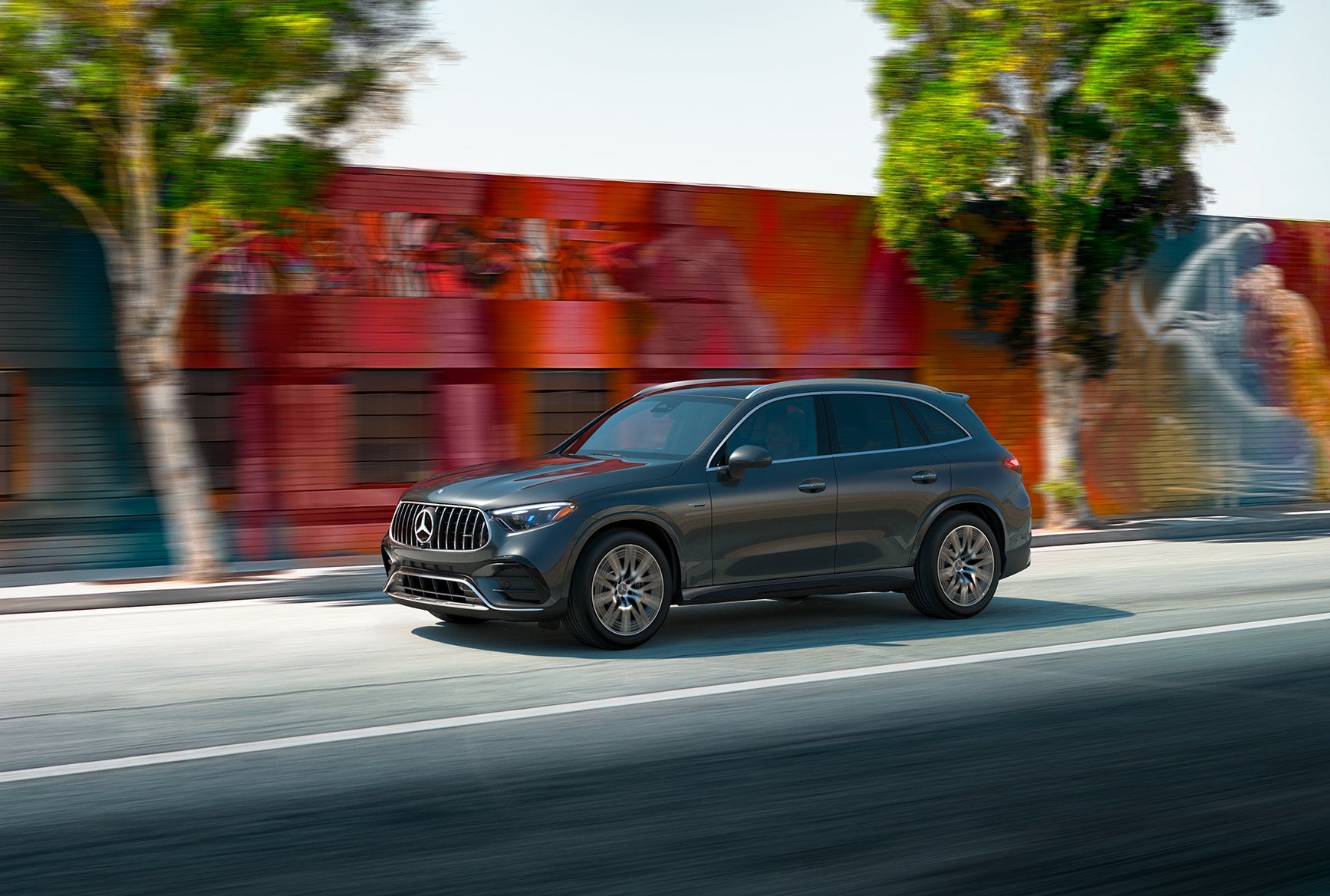
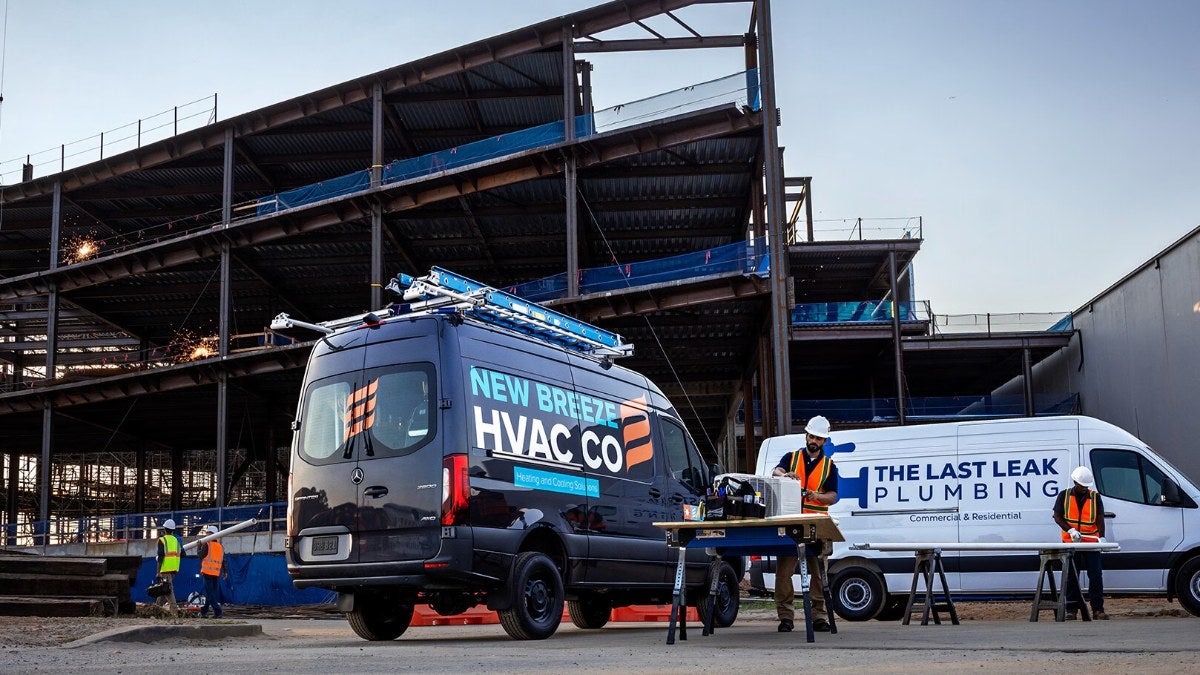
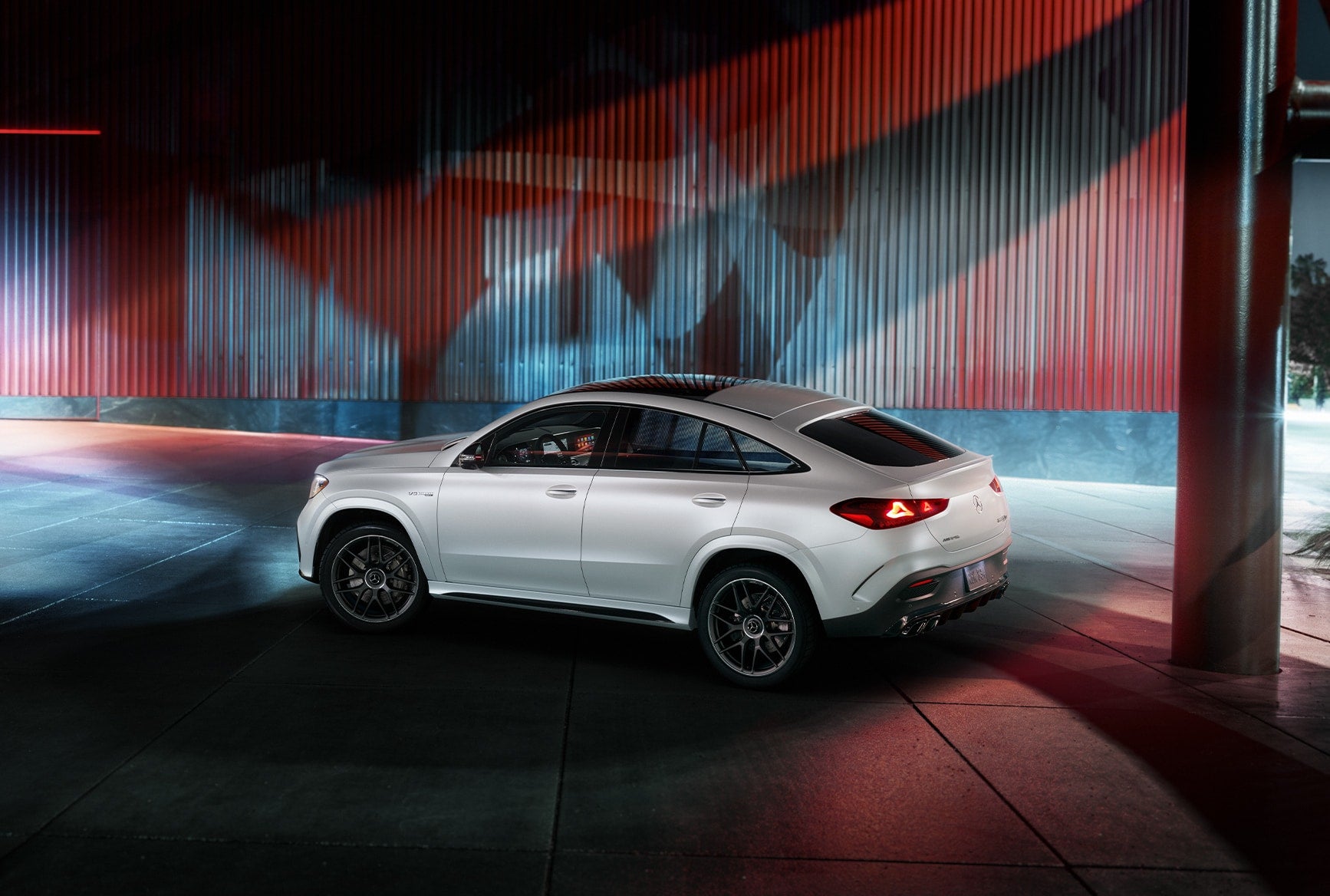
Section 179 at a Glance Business owners who buy a qualifying Mercedes-Benz SUV or Sprinter Van can deduct up to $32,000 under Section 179 for tax year 2026. With 100% bonus depreciation, the rest of the business-use cost may also be deductible in the first year. Mercedes-Benz models to look at: Heavy SUVs (6,001 to 14,000 lbs GVWR): select configurations of the GLE, GLS, G-Class, EQE SUV and EQS SUV Commercial vans: Sprinter 2500, 3500, 3500XD and 4500 (some van designs aren't held to the $32,000 SUV cap) What it takes to qualify: The vehicle must be purchased and delivered by December 31, 2026. A deposit alone doesn't count. It must be used for business more than 50% of the time. Check the GVWR on the driver's door jamb label for the exact vehicle. Example: on a $100,000 qualifying SUV used 100% for business, the first-year deduction can include $32,000 under Section 179 plus bonus depreciation on the remaining $68,000. Talk to your tax advisor about what applies to your business. Every Mercedes-Benz that goes onto a business’ books is a tax decision before it is a driving decision. For tax year 2026, Section 179 of the Internal Revenue Code lets eligible businesses deduct some or all of a qualifying vehicle’s business cost in the year it goes into service, instead of spreading the write-off over several years. For businesses using a calendar tax year, vehicles must be purchased and placed in service by December 31, 2026. That date carries more weight than it appears to. Placed in service means the vehicle is ready and available for its specific business use. Signing an agreement or paying a deposit in December with delivery in January does not meet that requirement. A company planning a year-end purchase should confirm the delivery date before it confirms the price. The 2026 Dollar Limits For tax year 2026, the maximum Section 179 deduction is $2,560,000, up from $2,500,000 in 2025. The deduction begins to phase out once total qualifying property placed in service during the year exceeds $4,090,000, and it reaches zero at $6,650,000. The reduction is dollar for dollar. A business that places $4,590,000 of qualifying property in service loses $500,000 from the maximum, leaving $2,060,000 available. Most owners buying one or two vehicles will never approach the phase-out threshold. The figure matters for companies that buy equipment alongside vehicles, and for fleets that add several units in a single year, where total purchases can climb faster than expected. The $4,090,000 figure is a phase-out threshold, not a prohibition on spending more. The deduction also has a ceiling tied to the business itself. It cannot exceed the applicable taxable income from actively conducted trades or businesses. Amounts disallowed by that income limitation can generally carry forward. Entity-level and owner-level rules can affect the calculation, so accounting profit alone does not establish the available deduction. The Heavy SUV Cap Congress singled out sport utility vehicles. A qualifying SUV rated at more than 6,000 pounds and not more than 14,000 pounds gross vehicle weight rating, or GVWR, is limited to a $32,000 Section 179 deduction for 2026, up from $31,300 in 2025. That cap is the number most buyers encounter first, and it is the one most often misread. Check Out: Wet Adventures in the 2027 Mercedes-Benz GLS Vehicles rated above 14,000 pounds fall outside this particular SUV cap. Certain truck and van designs also qualify for exceptions based on their seating or cargo configuration. Being called a commercial van does not automatically establish an exception. Passenger automobiles, including many lighter SUVs, face separate annual depreciation limits that can restrict Section 179 and bonus depreciation together. Bonus Depreciation Fills the Rest Section 179 is only part of the picture. Federal law provides 100 percent bonus depreciation for eligible property acquired and placed in service after January 19, 2025. It applies after any Section 179 deduction. Acquisition rules, including earlier binding contracts, can affect eligibility. For an eligible heavy SUV bought for $100,000 and used entirely for business, the first-year calculation can include the $32,000 Section 179 amount plus bonus depreciation on the remaining $68,000 of basis. This assumes all requirements are met. Bonus depreciation does not have Section 179’s overall dollar limit, although passenger automobile limits and other restrictions still apply. A deduction reduces taxable income; it does not reduce the tax bill dollar for dollar. A $100,000 deduction therefore does not mean $100,000 in tax savings. The actual savings depend on the taxpayer’s circumstances and applicable tax rates. These are federal provisions; state treatment can differ. Business use is the other half of the equation. A vehicle generally must be used more than 50 percent in qualified business use to qualify for Section 179 and bonus depreciation. The deductible basis reflects the business-use percentage. If qualified business use drops to 50 percent or below during the applicable recovery period, recapture rules may require reporting some earlier deductions as income. Mileage logs and supporting records matter; ordinary commuting generally counts as personal use. Which Mercedes-Benz Models Fall Where The bracket depends on the specific vehicle. GVWR appears on the certification label on the driver’s door jamb. It is the manufacturer’s maximum loaded weight rating, not the vehicle’s curb weight. Confirming that number is an essential step before planning any deduction. Select configurations of the GLE, GLS, G-Class, EQE SUV and EQS SUV may qualify for the heavy SUV deduction when their GVWR exceeds 6,000 pounds and does not exceed 14,000 pounds. Confirm the model year, configuration and certification label for the individual vehicle, then have a tax professional determine eligibility. These model families are shopping starting points, not a guarantee that every vehicle qualifies. A 2027 model purchased and placed in service during 2026 can potentially qualify for a 2026 deduction. Commercial buyers can consider Mercedes-Benz Sprinter 2500, 3500, 3500XD and 4500 vans. These heavy commercial vehicles may qualify for substantial deductions, with treatment depending on their specific configuration. Cargo, passenger and other layouts can receive different treatment under the vehicle rules. Owners running a crew, delivery route or mobile service business should request the exact GVWR and seating or cargo specifications before planning a deduction. Certain qualifying van designs are exempt from the heavy SUV cap; confirm the applicable exception with a tax advisor. What to Do Before Year End Start with the calendar. Confirm delivery and make sure the vehicle is ready and available for its intended business use by December 31, 2026, if your business uses a calendar tax year. Next, check the certification label for the exact vehicle being considered. Then document the business-use plan and establish records supporting the percentage claimed. Finally, run the numbers with a tax professional. Taxable business income, total equipment purchases, carryforwards, acquisition timing and entity structure can change the outcome. The same vehicle can produce different results for two buyers in the same market. Ask whether Section 179, bonus depreciation or another depreciation approach makes the most sense for the business. Check Out: The 2028 Mercedes-Benz GLA Electric Is Coming—and It’s a Big Leap Forward Do not treat a projected deduction as a reason to skip the practical questions. The vehicle still needs to fit the work, the budget and the delivery schedule. Buyers considering financing should review the purchase structure with their advisor rather than assuming that the amount paid upfront determines the deduction. Keep the purchase documents, delivery records and business mileage records together so the final tax calculation reflects the actual transaction and use. The business-use percentage should reflect use during the tax year, supported by records, rather than a percentage chosen to reach a desired deduction. Before taking delivery, confirm who will use the vehicle, what business tasks it will serve and how mileage will be tracked. Records connect the purchase decision to the eventual tax return and make it easier to answer questions about how the vehicle was used. About Loeber Motors Loeber Motors helps Chicagoland buyers explore Mercedes-Benz vehicles and compare specifications for their business and personal driving needs. Buyers considering a year-end business purchase can ask the dealership to help confirm the model year, configuration, delivery timing and GVWR information for a specific vehicle. Those details give the buyer and tax advisor a clearer starting point for evaluating potential deductions. This article provides general information about federal tax rules, not tax advice. Eligibility and tax savings depend on individual circumstances. Buyers should review the transaction with a CPA or tax advisor before purchasing and confirm applicable state tax treatment separately. (Sources: IRS Publication 946, IRS Instructions for Form 4562, IRS Notice 2026-11, Mercedes-Benz USA and Mercedes-Benz Vans) Quick Answers For tax year 2026, eligible businesses may elect a federal Section 179 deduction of up to $2,560,000. That limit phases out dollar for dollar when qualifying property placed in service exceeds $4,090,000, reaching zero at $6,650,000. Qualifying SUVs with GVWR above 6,000 pounds and no more than 14,000 pounds have a $32,000 Section 179 cap. Eligible remaining business-use basis may qualify for 100 percent bonus depreciation. Calendar-year businesses must purchase and place the vehicle in service by December 31, 2026. Verify the individual vehicle’s specifications, document qualified business use above 50 percent and review eligibility with a tax advisor. A deduction reduces taxable income, not taxes dollar for dollar. Frequently Asked Questions 1. What is the deadline for claiming Section 179 for tax year 2026? For a calendar-year business, the vehicle must be purchased and placed in service by December 31, 2026. Placed in service means ready and available for its specific business use. A deposit or signed agreement alone is insufficient. 2. What is the maximum Section 179 deduction for 2026? The maximum is $2,560,000 across qualifying property, subject to the phase-out and applicable business income limits. This is not an automatic deduction for each vehicle. 3. When does the Section 179 phase-out begin? The maximum deduction decreases dollar for dollar when qualifying property placed in service exceeds $4,090,000. It reaches zero at $6,650,000. 4. How much can a heavy SUV deduct under Section 179 in 2026? A qualifying SUV with GVWR greater than 6,000 pounds and not greater than 14,000 pounds is subject to a $32,000 Section 179 cap. Eligible remaining business-use basis may qualify for bonus depreciation. Certain truck and van designs are exceptions to the SUV cap. 5. Does 100 percent bonus depreciation apply to Mercedes-Benz vehicles? It may apply to eligible vehicles acquired and placed in service after January 19, 2025, generally requiring qualified business use above 50 percent. Acquisition rules and passenger automobile depreciation limits can restrict the deduction. A tax advisor should evaluate the specific transaction. 6. Which Mercedes-Benz models should business buyers investigate? Select GLE, GLS, G-Class, EQE SUV and EQS SUV configurations may qualify under the heavy SUV rules when they meet the applicable GVWR and business-use requirements. Commercial buyers can also consider Sprinter 2500, 3500, 3500XD and 4500 configurations. Confirm the individual vehicle’s certification label, configuration and tax eligibility rather than relying on its model name alone. 7. Can a 2027 Mercedes-Benz qualify for a 2026 deduction? Potentially. The relevant tax year depends on when the vehicle is purchased and placed in service, not its model-year designation. A calendar-year business considering a 2027 model must meet the December 31, 2026, deadline and all other requirements to claim a deduction for 2026. Key Specifications Primary Issue: Federal Section 179 expensing and bonus depreciation for business vehicles in tax year 2026. Maximum Section 179 Deduction: $2,560,000 across qualifying property, subject to applicable limits. Phase-Out Threshold: $4,090,000; full phase-out at $6,650,000. Heavy SUV Cap: $32,000 for qualifying SUVs above 6,000 pounds and no more than 14,000 pounds GVWR. Bonus Depreciation: 100 percent for eligible property acquired and placed in service after January 19, 2025, subject to applicable restrictions. Business Use: Generally more than 50 percent qualified business use; deductions reflect business use and recapture rules may apply. Calendar-Year Deadline: Purchased and placed in service by December 31, 2026. Best Approach: Confirm the specific vehicle’s GVWR and configuration, verify delivery timing, maintain business-use records and review federal and state treatment with a tax professional. Expert Summary Section 179 and bonus depreciation can accelerate deductions for eligible Mercedes-Benz business vehicles in tax year 2026. The $2,560,000 overall maximum, $4,090,000 phase-out threshold and $32,000 heavy SUV cap address different limitations. Eligible bonus depreciation may allow deduction of remaining business-use basis, while passenger automobile limits can restrict lighter vehicles. Model names alone do not establish eligibility. Buyers should confirm the specific vehicle’s GVWR and configuration, meet the applicable placed-in-service deadline and document qualified business use. Loeber Motors can help with vehicle specifications; a tax professional should determine the available deduction and resulting tax savings.