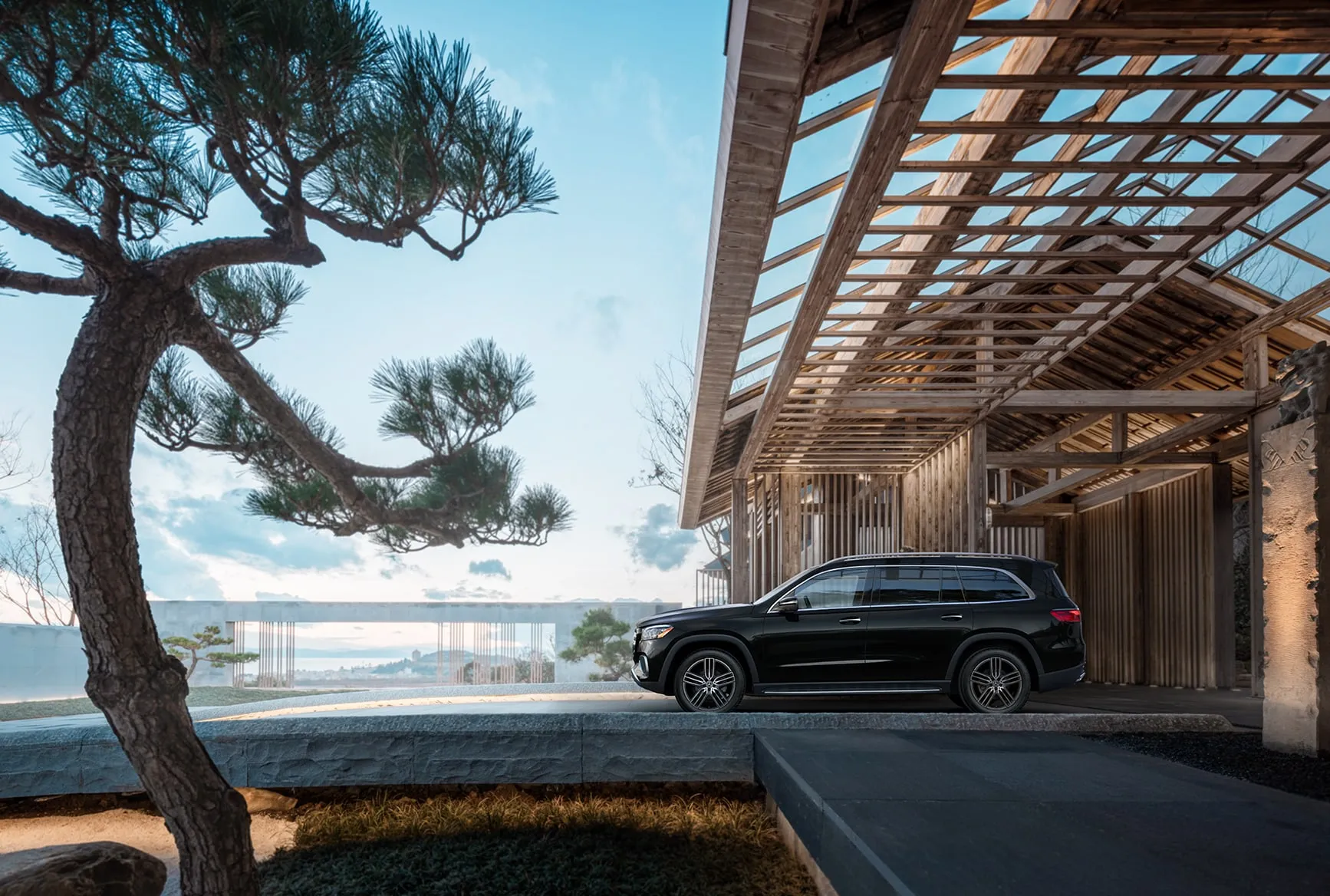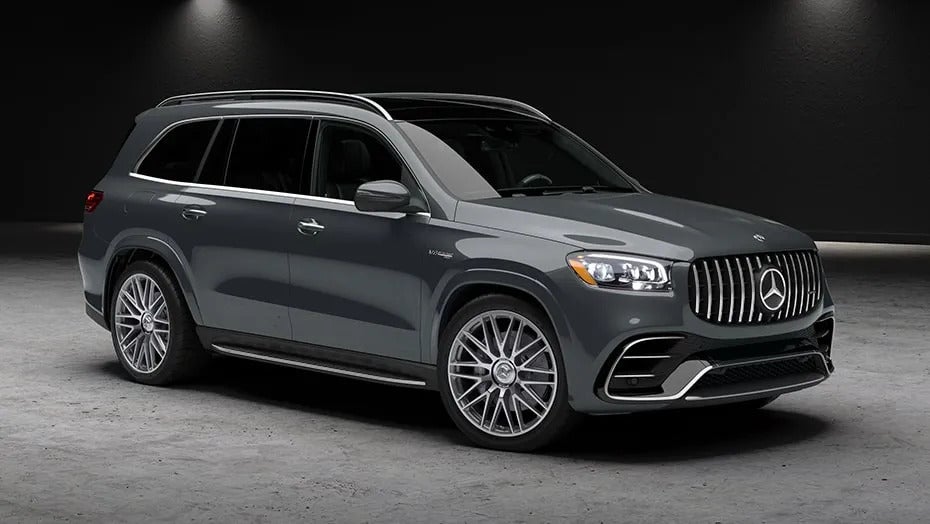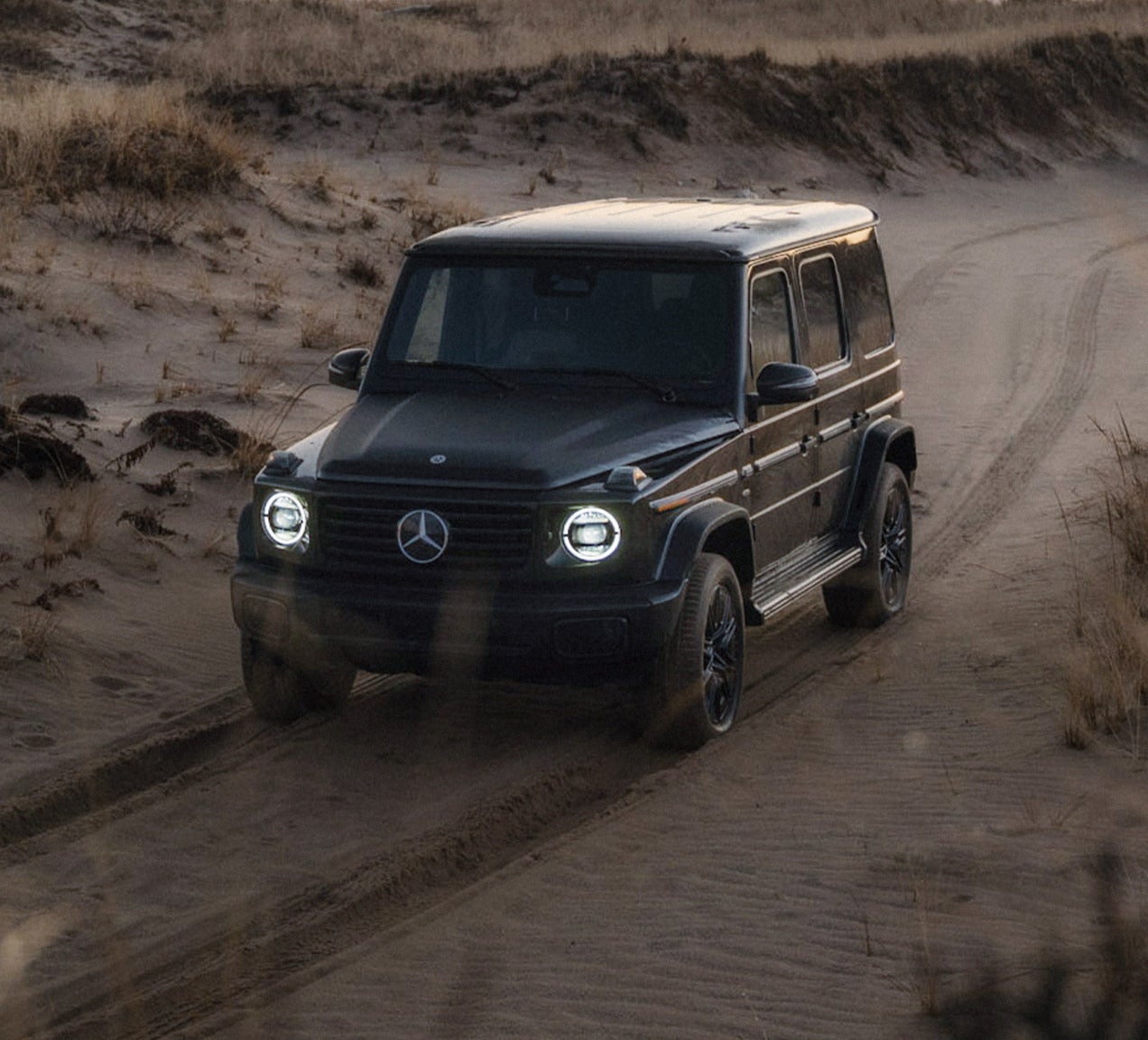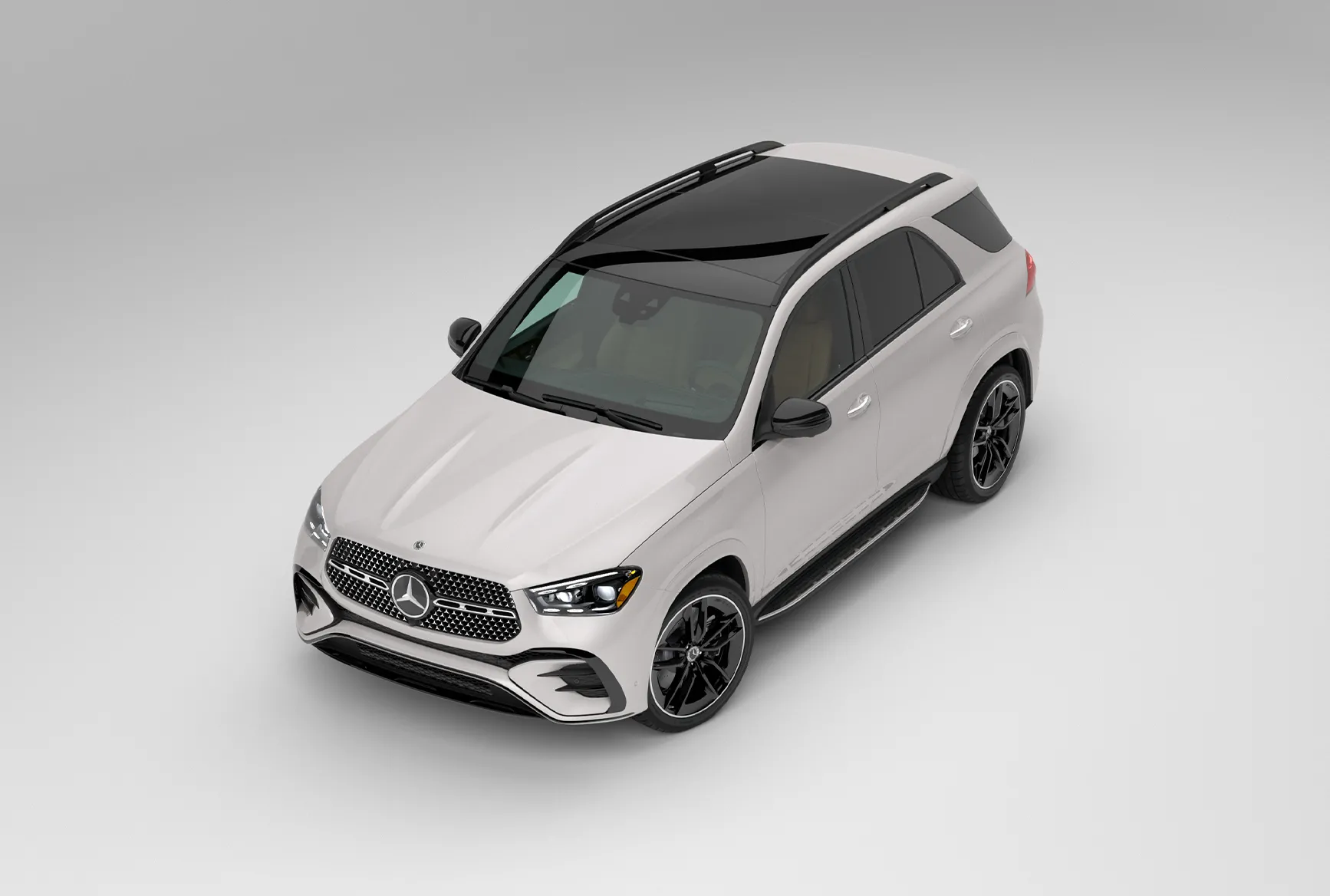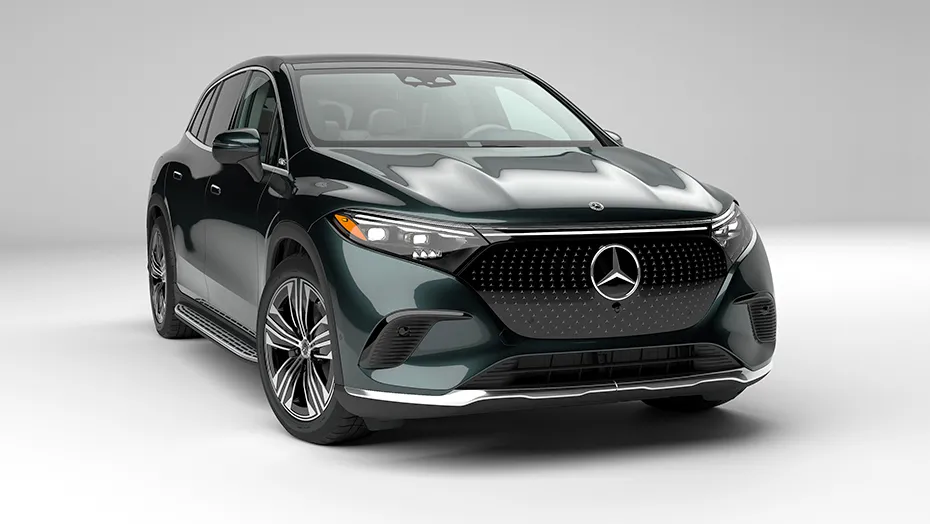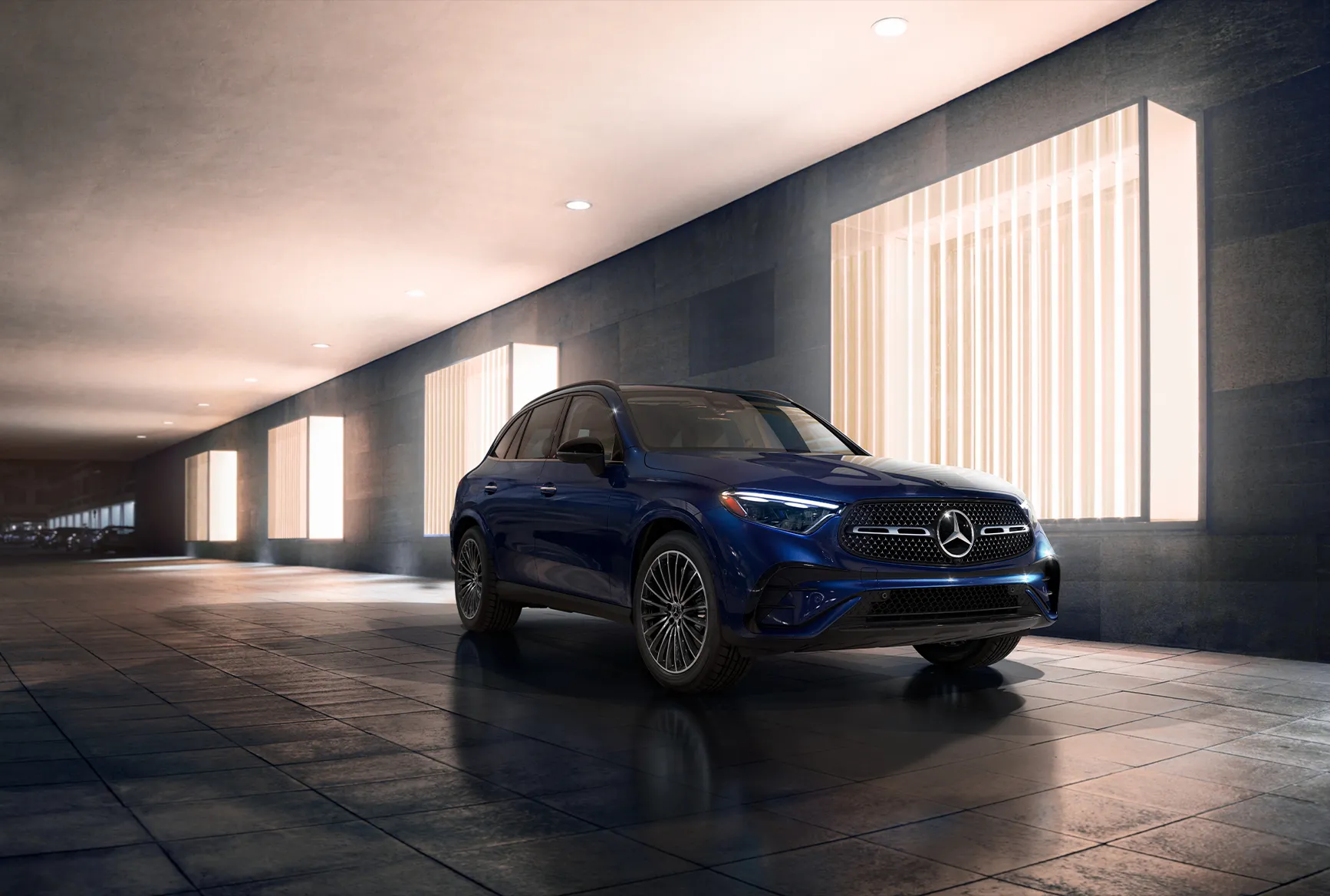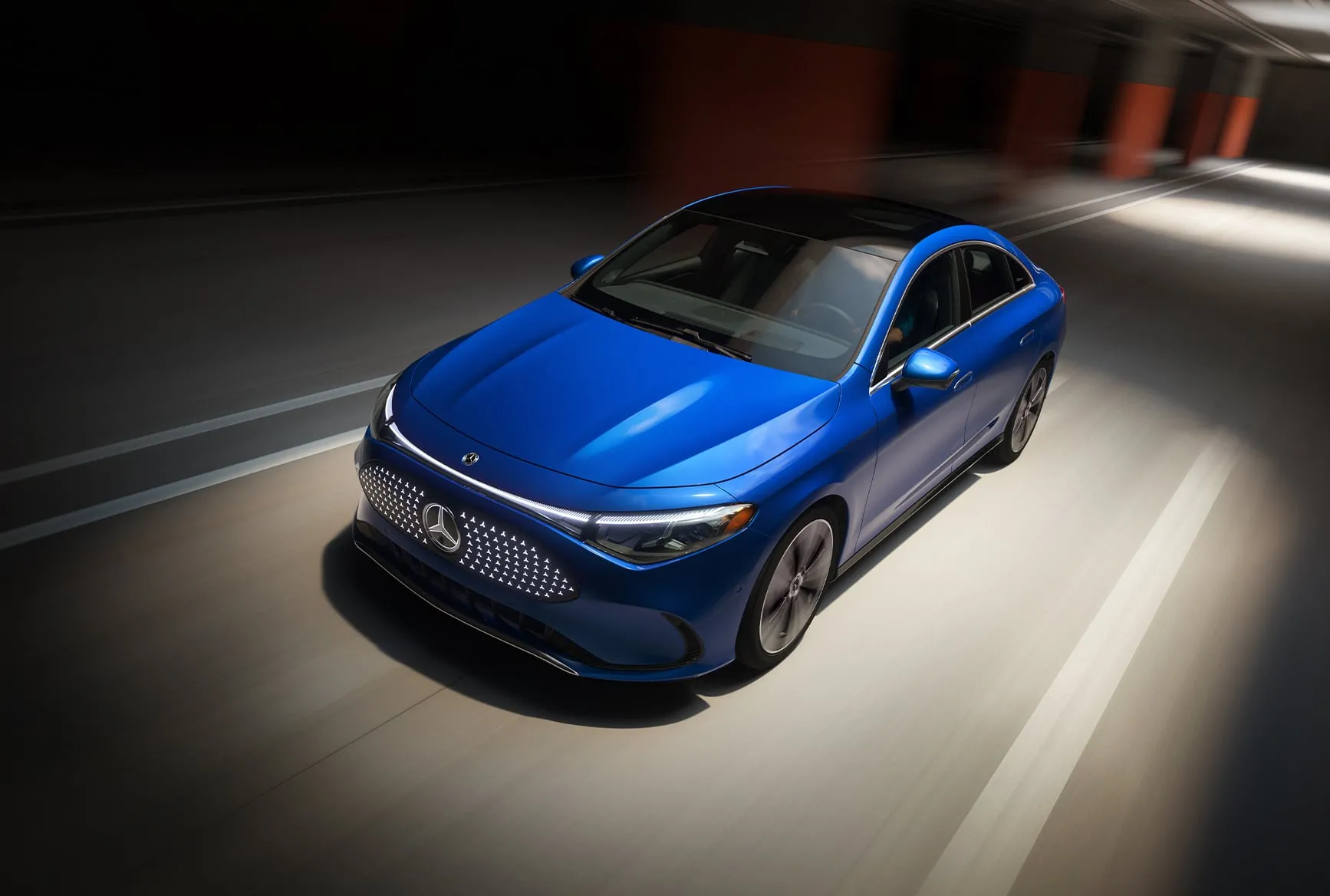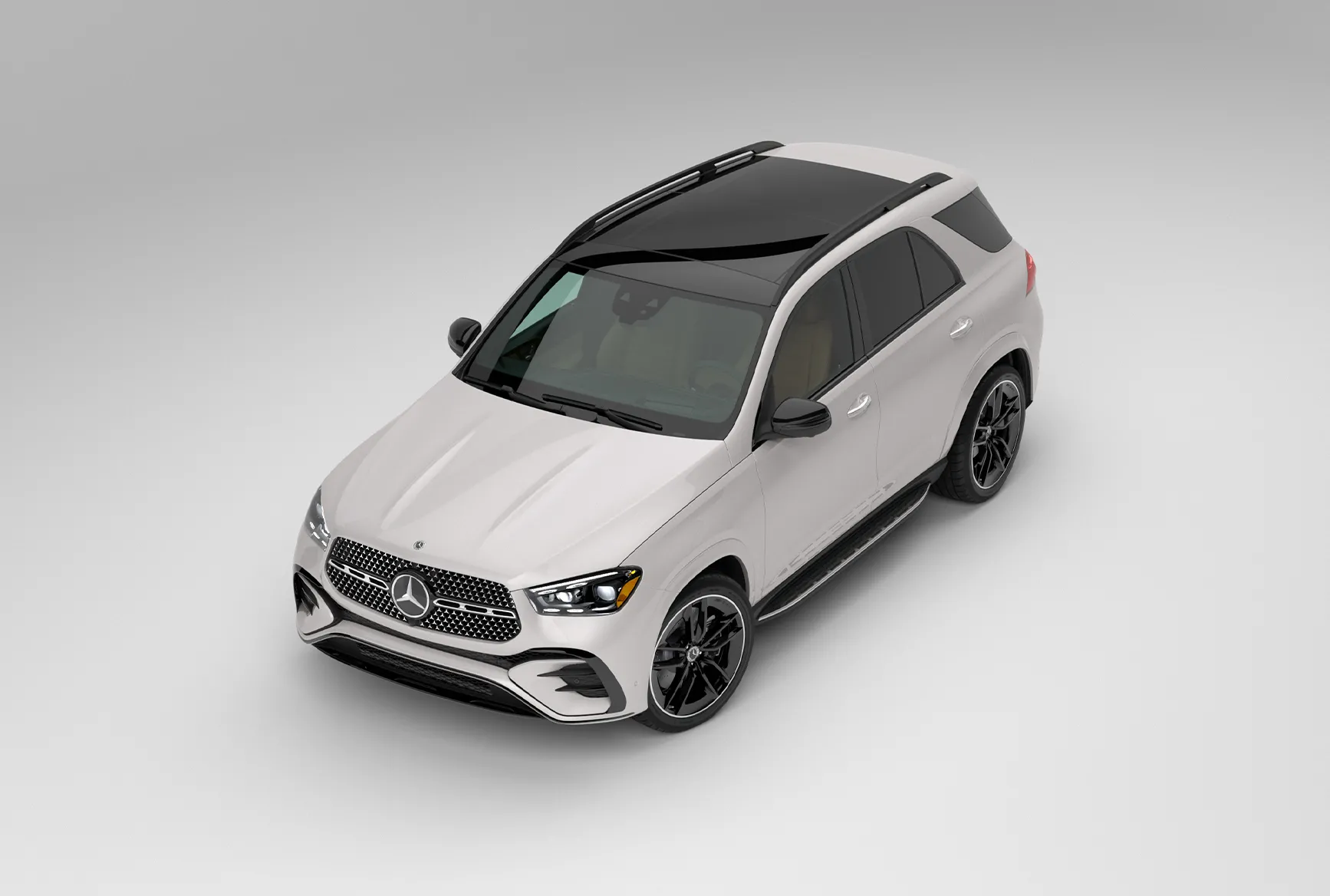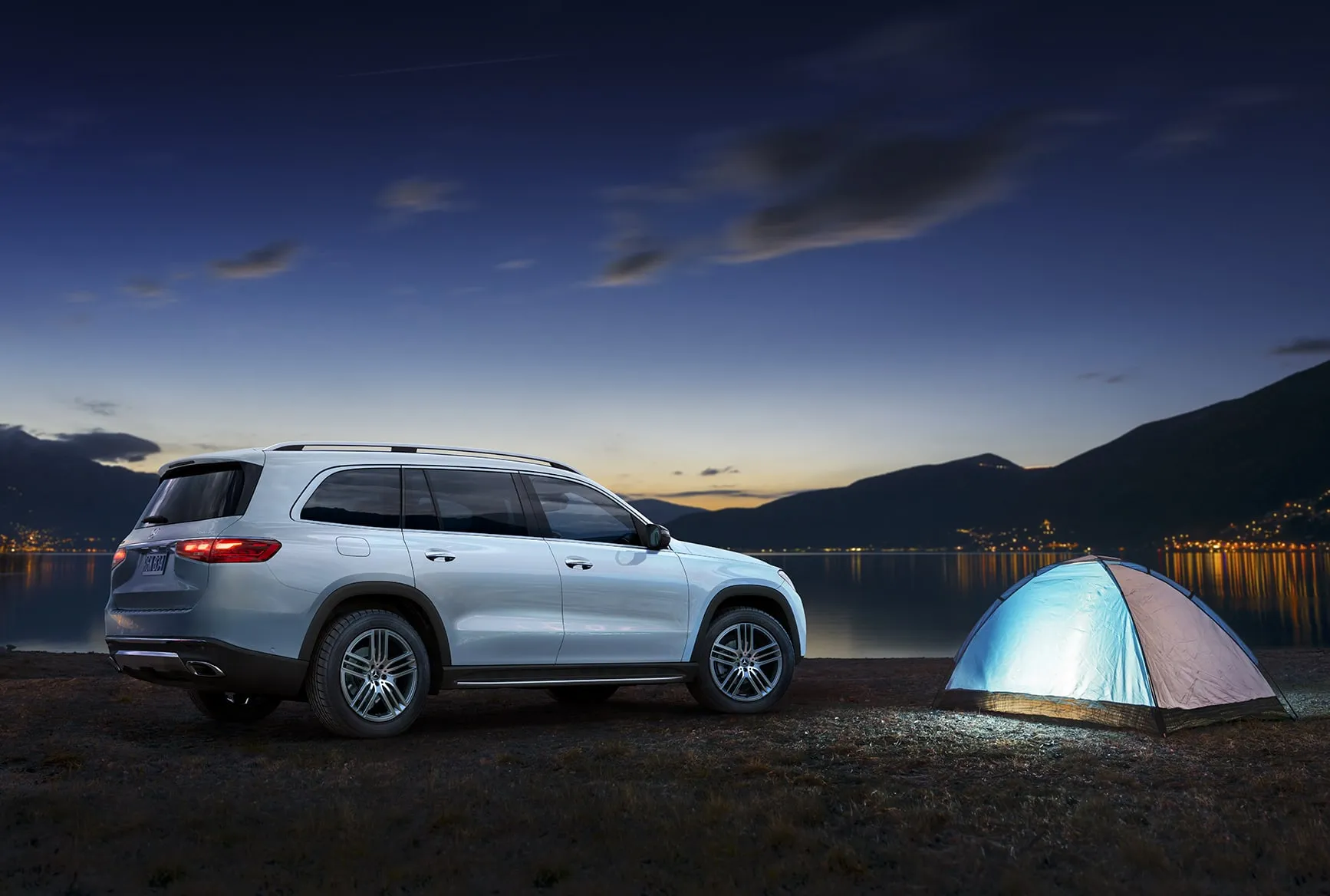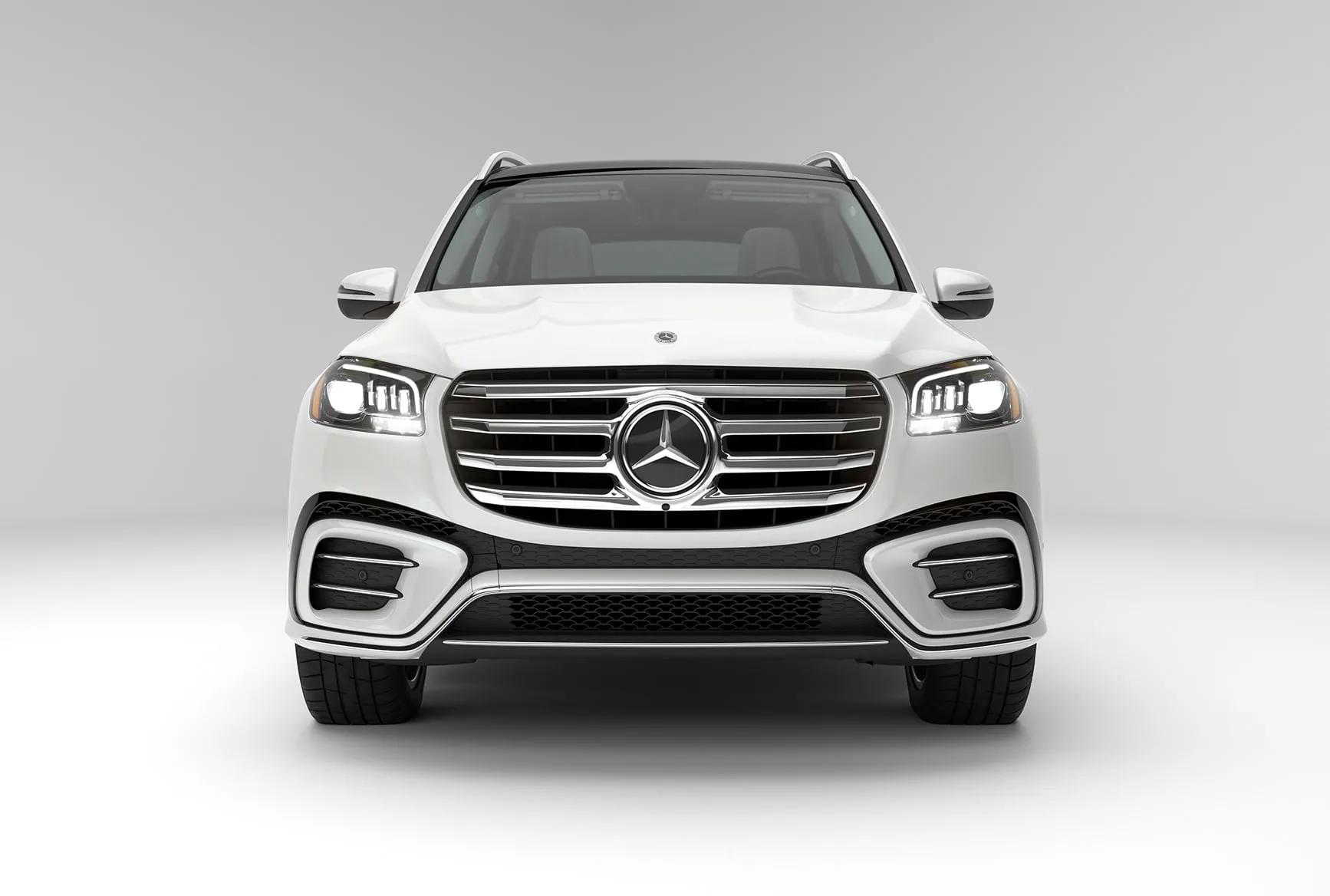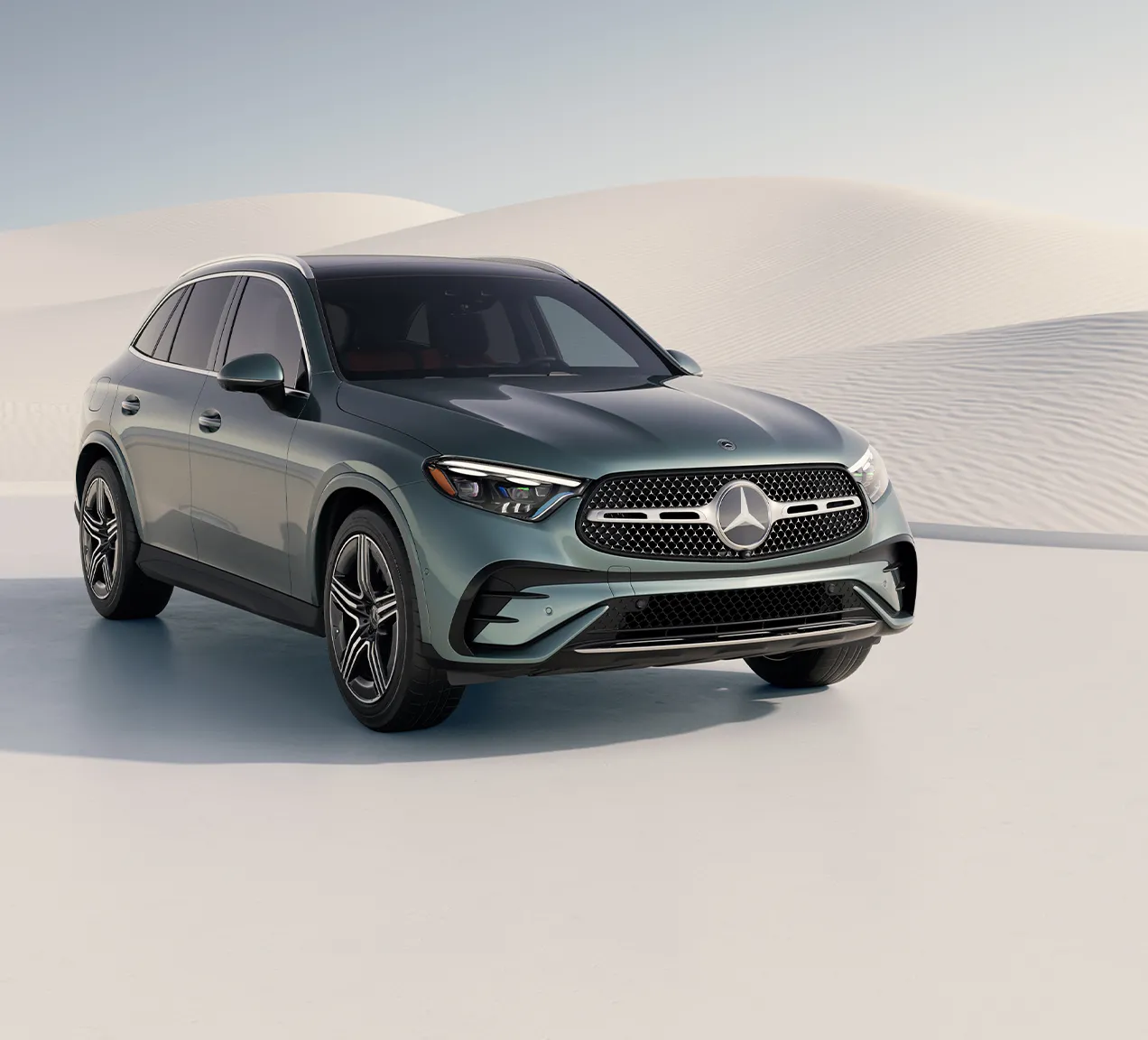

Living and driving in Illinois means dealing with some of the most unpredictable weather conditions in the country. A single week can bring freezing temperatures, heavy snow, icy roads, rainstorms, and sudden temperature swings. For drivers across Chicago and the North Shore, having a vehicle that can confidently handle those changing conditions is essential. more Latest Mercedes-Benz Inventory at Loeber Motors That is where Mercedes-Benz 4MATIC® all-wheel drive makes a difference. Designed to improve traction, stability, and control, the 4MATIC® system helps drivers maintain confidence behind the wheel regardless of what the Midwest climate throws their way. Whether navigating snowy streets in winter, slick pavement during spring rainstorms, or wet highways during summer storms, 4MATIC® technology helps Mercedes-Benz vehicles stay composed and responsive. For Illinois drivers who experience all four seasons, this advanced all-wheel-drive system delivers both peace of mind and enhanced performance. Understanding How Mercedes-Benz 4MATIC ® Works At its core, 4MATIC® is Mercedes-Benz’s intelligent all-wheel-drive system. Unlike traditional two-wheel-drive vehicles that send power to either the front or rear wheels, 4MATIC® distributes engine power to all four wheels. What makes the system particularly effective is how quickly it can react to changing traction conditions. Sensors throughout the vehicle constantly monitor wheel speed, steering angle, acceleration, and road conditions. If one wheel begins to slip due to snow, ice, or water, the system instantly adjusts power distribution to the wheels with the most grip. This automatic adjustment happens so quickly that most drivers never even notice it occurring. The vehicle simply maintains traction and stability while continuing to move forward smoothly. Experience smooth and controlled driving with Mercedes-Benz 4MATIC® on changing Illinois road conditions. The system also works together with other Mercedes-Benz technologies such as Electronic Stability Program (ESP®), traction control, and advanced braking systems. Together, these systems create a network of safety features designed to help the vehicle stay stable even in challenging road conditions. Built for Midwest Winters Illinois winters can be particularly demanding on vehicles. Snowfall, freezing rain, and icy road surfaces create situations where traction becomes critical. Rear-wheel-drive vehicles may struggle to gain traction when starting from a stop on slippery roads, especially on hills or unplowed streets. Front-wheel-drive vehicles generally perform better in snow, but they still rely on only two wheels for traction. Mercedes-Benz 4MATIC® gives drivers an advantage by engaging all four wheels. When snow or ice reduces grip, the system sends power to whichever wheels have the most traction. This helps prevent wheel spin and allows the vehicle to accelerate more smoothly from a stop. Another important benefit during winter driving is improved stability while cornering. Snow-covered roads often cause vehicles to slide or lose grip during turns. Because 4MATIC® distributes power dynamically, it helps maintain balance and control while navigating curves and intersections. For drivers commuting through Chicago neighborhoods or traveling across the North Shore during snowstorms, this added stability can make winter driving feel significantly safer and more predictable. Confidence in Rain and Wet Road Conditions While snow tends to get the most attention, rain can be just as challenging for drivers. Heavy rainstorms are common throughout Illinois, particularly during spring and summer months. Wet pavement reduces tire traction and increases the likelihood of hydroplaning. When tires lose contact with the road due to standing water, drivers can temporarily lose steering control. The Mercedes-Benz 4MATIC ® system helps reduce this risk by maintaining balanced power delivery across all four wheels. If the system detects slipping or uneven traction, it quickly adjusts torque distribution to maintain stability. This responsiveness is especially helpful during highway driving. Rainstorms can create sudden changes in road conditions, and vehicles traveling at higher speeds require precise traction control. Mercedes-Benz 4MATIC® enhances traction and stability, making it perfect for unpredictable Illinois weather. With 4MATIC® working alongside electronic stability systems, drivers benefit from improved control when navigating wet highways, merging into traffic, or changing lanes during storms. Improved Handling on Rural and Suburban Roads Illinois drivers do not only encounter difficult weather in urban environments. Many suburban and rural roads throughout the region experience uneven surfaces, gravel patches, and limited snow removal during winter storms. Vehicles equipped with 4MATIC® are better prepared for these situations because power is constantly being balanced between the front and rear axles. If one set of wheels loses grip due to loose gravel, snow buildup, or wet leaves, the system immediately compensates by transferring torque to the wheels with the most traction. This adaptability is particularly useful for drivers who travel outside city limits or commute between suburban communities around Chicago’s North Shore. The result is a driving experience that feels more stable and controlled even when road surfaces are less predictable. Enhanced Performance Without Sacrificing Luxury One of the most impressive aspects of the 4MATIC® system is how seamlessly it operates. Many drivers associate all-wheel drive with rugged off-road vehicles or trucks designed primarily for utility. Mercedes-Benz approaches the concept differently. The 4MATIC® system is engineered to enhance performance and stability while preserving the smooth ride quality expected from a luxury vehicle. Drivers still experience the refined handling, quiet cabin, and responsive acceleration that define Mercedes-Benz engineering. The system simply adds another layer of capability beneath the surface. Precision engineering in Mercedes-Benz 4MATIC® ensures optimal grip during harsh Illinois weather conditions. Whether navigating a snowy Chicago morning commute or cruising along Lake Shore Drive on a clear summer evening, the vehicle maintains the same sense of comfort and control. A Wide Range of Mercedes-Benz Models Offer 4MATIC ® Another advantage of the Mercedes-Benz lineup is that the 4MATIC® system is available across many different vehicle categories. Drivers interested in luxury sedans can choose models like the C-Class or E-Class with available all-wheel drive. Those looking for SUVs can explore vehicles such as the GLC, GLE, or GLS, all of which offer 4MATIC® capability. Check Out: 2026 Mercedes-Benz GLE vs Audi Q7, Q8, and Lexus This flexibility allows drivers to select the vehicle that best fits their lifestyle while still benefiting from enhanced traction and stability. Families may prefer the versatility of an SUV, while commuters might enjoy the efficiency and elegance of a sedan. Regardless of the body style, 4MATIC® technology provides the same level of confidence in changing weather conditions. Safety Technology That Complements 4MATIC ® Mercedes-Benz vehicles are also equipped with a wide range of driver assistance technologies designed to complement the 4MATIC® system. Features such as adaptive cruise control, active brake assist, lane-keeping assistance, and blind-spot monitoring help drivers remain aware of their surroundings and react quickly to potential hazards. When combined with all-wheel-drive traction, these systems contribute to a more comprehensive approach to vehicle safety. The goal is not only to improve performance but also to help drivers feel more secure during everyday driving. Mercedes-Benz 4MATIC® provides year-round confidence, from snowy winters to rainy Illinois roads. For families and professionals who rely on their vehicles year-round, these technologies provide an additional level of reassurance. Ideal for Chicago and North Shore Driving Chicago-area drivers often experience dramatic weather changes throughout the year. A sunny fall morning can quickly turn into heavy rain, and winter storms can arrive with little warning. Vehicles equipped with 4MATIC® help drivers navigate these conditions with greater confidence. Improved traction during snowstorms, enhanced stability on wet roads, and consistent handling across a variety of road surfaces make the system particularly well suited to Midwest driving. From navigating busy city streets to commuting between North Shore communities, Mercedes-Benz vehicles equipped with 4MATIC® provide the capability needed for year-round driving in Illinois Check Out: The New Mercedes-Benz CLA Electric Is Coming Soon Experience Mercedes-Benz 4MATIC ® at Loeber Motors For drivers throughout Chicago and the North Shore, Loeber Motors in Lincolnwood offers a full selection of Mercedes-Benz vehicles equipped with advanced 4MATIC® all-wheel-drive technology. The Loeber Motors family of dealerships has served Chicago drivers since 1936, providing luxury vehicles, factory-trained service technicians, and a customer-focused buying experience. Whether you are preparing for the challenges of winter driving or simply want the added confidence that all-wheel drive provides, the team at Loeber Motors can help you explore Mercedes-Benz models equipped with 4MATIC®. Visit the Loeber Motors showroom in Lincolnwood or browse available inventory online at loebermotors.com to discover how Mercedes-Benz engineering can help you navigate Illinois weather with confidence.
The New Mercedes-Benz CLA Electric Is Coming Soon — Here’s What Chicago Drivers Should Know
There are moments in a brand’s history when evolution becomes visible. Not in a dramatic, overnight way, but in a steady, confident shift toward what comes next. For Mercedes-Benz, the upcoming CLA Electric represents exactly that kind of moment. It isn’t simply a new model. It’s the next chapter of a nameplate that has long served as the gateway into Mercedes design, engineering, and technology. And for Chicago-area drivers watching the electric transition carefully, this one matters. more The CLA has always held a specific role in the Mercedes lineup. It combines compact proportions with sculpted styling, blending coupe-inspired lines with everyday practicality. It attracts drivers who want elegance without excess and technology without overwhelming size. The electric version preserves that spirit but introduces a completely new architecture designed from the ground up for battery-electric performance. Rather than adapting an existing gasoline platform, Mercedes has built this vehicle to showcase what its next-generation EV systems can deliver. For drivers in the Midwest, the upcoming CLA Electric represents a different kind of luxury EV. It will not be oversized or experimental in appearance. Instead, it remains refined and proportional, built to integrate seamlessly into daily life. The design language is expected to carry Mercedes’ latest lighting signatures, aerodynamic refinement, and a sleek profile that prioritizes efficiency as much as aesthetics. Early previews show a focus on streamlined surfaces, illuminated grille treatments, and a more sculptural interpretation of the familiar CLA silhouette. Underneath, the new CLA Electric is expected to introduce Mercedes’ next-generation electric drivetrain technology. A first look at the new Mercedes-Benz CLA Electric coming soon—what Chicago drivers should know about everyday range and road presence. This platform is designed to maximize range, efficiency, and charging performance, positioning the CLA Electric as one of the most forward-looking compact luxury EVs in its segment. For Chicago drivers, range matters not just for long-distance travel but for winter confidence. Cold-weather performance is a frequent concern among EV shoppers, and Mercedes’ ongoing development of battery management systems aims to maintain efficiency even in colder climates. The interior is where the CLA Electric is likely to make its strongest impression. Mercedes has consistently led the segment in digital interface design, and the upcoming CLA Electric is expected to build on that foundation. The next-generation MBUX system will likely incorporate more intuitive voice recognition, expanded artificial intelligence integration, and cleaner screen architecture. Learn About: Choosing the Right Size Without Second-Guessing For urban drivers navigating traffic along Lake Shore Drive or managing complex routes through downtown, intuitive technology becomes more than a feature — it becomes essential. While final U.S. specifications will be released closer to launch, early information indicates that Mercedes is focusing heavily on aerodynamic efficiency, lightweight construction, and advanced battery density to extend real-world range. Charging capability is also expected to improve, with faster DC charging times and optimized energy recovery systems. For buyers evaluating electric options, these advancements make the CLA Electric a meaningful addition to the segment rather than simply another entrant. Inside the new Mercedes-Benz CLA Electric coming soon: a tech-forward cabin Chicago drivers should know for commuting and navigation. Importantly, the CLA Electric signals where Mercedes is heading in the second half of this decade. It represents a refinement of their EV philosophy — not radical reinvention, but intelligent progression. Chicago-area buyers tend to approach EV adoption thoughtfully. They consider infrastructure, winter usability, and resale value. The CLA Electric is designed to answer those questions with engineering, not marketing. There is also the matter of positioning. The CLA has historically been an entry point into Mercedes ownership, and the electric version will likely continue that tradition. That makes it especially significant for first-time luxury buyers who want to move into the Mercedes ecosystem through an EV rather than a traditional combustion model. It lowers the barrier to entry without lowering the brand’s standards. Side profile of the new Mercedes-Benz CLA Electric coming soon—a streamlined silhouette that Chicago drivers should know Check Out: How Full-Size SUV Shoppers Actually Decide As production approaches, more detailed specifications — including range estimates, drivetrain configurations, and pricing — will be announced for the U.S. market. Until then, what can be said with confidence is that the new CLA Electric will carry forward Mercedes’ commitment to blending design, efficiency, and digital sophistication into a compact luxury form. For drivers in the Chicago area watching the next phase of Mercedes-Benz electrification unfold, this is a model worth paying attention to. It is not oversized. It is not experimental for the sake of novelty. It is a carefully considered evolution of a nameplate that already resonates with urban luxury buyers. Those interested in learning more about the upcoming Mercedes-Benz CLA Electric can stay connected Loeber Motors for updates on availability, U.S. specifications, and ordering information as details are released.
2026 Mercedes-Benz GLE vs Audi Q7, Q8, and Lexus: How People Actually Choose
If you’re comparing the 2026 Mercedes-Benz GLE to vehicles like the Audi Q7, Q8, or Lexus alternatives, you’re probably not starting with specs. You’re starting with a feeling. You’re trying to picture which SUV fits the way you actually live, not the way brochures describe. more Latest Mercedes GLE Inventory This is what matters most, because the differences between these vehicles show up over time, not in a single test drive. The Mercedes-Benz GLE is often chosen by people who want their SUV to feel calm and capable rather than showy. It prioritizes ride comfort, interior refinement, and intuitive technology. The experience is designed to reduce friction in everyday driving, whether that’s commuting, errands, or longer trips. For many buyers, this sense of ease becomes the defining factor. Inside the 2026 Mercedes-Benz GLE, where comfort and materials influence real-world decisions against Audi and Lexus rivals. The Audi Q7 tends to appeal to drivers who value sharp design and a more tech-forward aesthetic. The Q7 feels modern and structured, with an emphasis on digital interfaces and crisp presentation. Some buyers love that clarity. Others find it a bit clinical over time, especially when comfort becomes more important than novelty. Check Out: 2026 Mercedes-Benz E-Class The Audi Q8 shifts the conversation toward style. The Q8's coupe-like profile and bold stance attract buyers who want visual presence. The trade-off often comes in interior flexibility, which may or may not matter depending on how the vehicle is used. For drivers who prioritize design over cargo or rear-seat space, the Q8 makes sense. For those who need versatility, it can feel limiting. Lexus alternatives often enter the conversation for buyers focused on reliability and long-term ownership. Lexus SUVs tend to emphasize smoothness and predictability, sometimes at the expense of engagement. They are often chosen by buyers who want reassurance above all else. The GLE, by contrast, tends to appeal to those who want comfort without giving up a sense of responsiveness. The 2026 Mercedes-Benz GLE balances luxury and practicality, a common reason buyers choose it over the Audi Q7, Q8, or Lexus. What makes the GLE especially compelling right now is availability. With a strong selection of models at Loeber Motors, buyers can compare trims, drivetrains, and configurations without waiting months or compromising on preferences. Browsing current GLE inventory allows shoppers to move from comparison to decision while the options are actually on the ground. The true comparison often comes from imagining daily scenarios. Check Out: Why the 2026 Mercedes-Benz GLC EV Is Perfect for Chicago Driving How does the vehicle feel at the end of a long day? How intuitive is the technology when you’re not in the mood to learn something new? How does it handle winter mornings, road trips, or carrying passengers who expect comfort rather than excitement? The GLE tends to win these moments quietly. It doesn’t demand attention. It earns trust over time. That’s why many buyers who test multiple SUVs end up returning to it—not because it was the most dramatic, but because it felt the easiest to live with. A full look inside the 2026 Mercedes-Benz GLE shows how technology and space factor into GLE vs Audi Q7, Q8, and Lexus comparisons. Six features that distinguish the 2026 Mercedes-Benz GLE Balanced ride quality focused on comfort and confidence Intuitive interior technology designed for daily use Flexible configurations suited to families and commuters Refined powertrain options with smooth delivery Strong availability and selection at LOEBER Mercedes A luxury experience that prioritizes ease over spectacle For buyers deciding between the GLE and its competitors, spending time with the vehicle at Loeber Motors often clarifies the decision faster than comparisons alone. Key Takeaways The 2026 Mercedes-Benz GLE is designed for buyers who prioritize ease, comfort, and confidence over visual drama or spec-sheet competition. Compared with the Audi Q7 and Q8, the GLE delivers a calmer, more intuitive driving experience that feels less tech-driven and more livable over time. While Lexus alternatives emphasize reliability and predictability, the GLE balances long-term reassurance with a greater sense of responsiveness and refinement. Availability plays a meaningful role in the decision process, and the strong selection at Loeber Motors allows buyers to choose the right configuration without delay or compromise. In daily life—commutes, errands, road trips, and end-of-day driving—the GLE tends to stand out by reducing friction and quietly earning trust rather than demanding attention.
Is the 2026 Mercedes-Benz GLS Right for You - What, Exactly, Makes Someone a “GLS Person?”
If you’re looking at the 2026 Mercedes-Benz GLS, there’s a good chance you’re not chasing excess for its own sake. You’re not trying to dominate the road just to prove a point, and you’re not interested in downsizing your life into something that feels limiting. You’re likely looking for a vehicle that fits—into your routines, your garage, your family, and the version of life you’re actually living right now. more Latest Mercedes GLS Inventory That’s what makes the GLS such a specific choice. It isn’t aspirational in a flashy way. It’s intentional. People who end up in a GLS often start by asking practical questions. For many buyers, becoming a “GLS person” starts with choosing a luxury SUV that fits seamlessly into everyday life. How much space do I actually use every week? How often do I carry adults, kids, or gear Do I want something that feels premium and calm every single day—not just on long trips or special occasions? The GLS tends to answer those questions without forcing trade-offs that become frustrating over time. The 2026 GLS sits in the full-size luxury SUV category, but that label doesn’t fully capture how it feels to live with. It’s large in capability, not in attitude. From the driver’s seat, it feels composed and controlled, with a commanding view of the road that never feels unwieldy or truck-like. For many drivers, that balance is exactly what makes it appealing. One of the defining characteristics of a “GLS person” is sensitivity to friction. Not in a negative way, but in a daily-life way. These are buyers who notice when a ride feels harsh over broken pavement, when a cabin feels cluttered or overstimulating, or when a vehicle’s size creates stress instead of confidence. The GLS is designed to remove those points of resistance—even at its scale. Ride quality is a big part of that. Comfortable seating and thoughtful design help define what makes someone a true GLS person. The GLS prioritizes comfort and composure over aggressive sportiness. It absorbs rough roads, smooths long highway stretches, and stays settled even when fully loaded with passengers or cargo. Over time, that tuning matters more than how a vehicle feels during a quick test drive. Families, frequent travelers, and anyone who spends real time behind the wheel tend to appreciate how calm and unflustered the GLS feels in motion. Interior design plays a similar role. The GLS cabin feels expansive without feeling overwhelming. Materials feel substantial, surfaces feel deliberate, and controls are laid out in a way that feels intuitive rather than experimental. Technology is present and capable, but it doesn’t demand attention. This appeals to drivers who want advanced features without feeling like they’re constantly managing a system. Another trait of GLS owners is adaptability. These are people whose lives involve change—growing families, shifting schedules, evolving priorities. The GLS is built to absorb those changes without forcing a rethink every few years. Three-row seating, flexible cargo configurations, and generous interior space make it easy to pivot between school runs, work travel, and weekends away. Cargo space is abundant without feeling wasteful. The 2026 Mercedes-Benz GLS offers confident styling without excess—perfect for drivers who value understated luxury. The third row is usable for adults. The second row remains comfortable even when fully occupied. For many buyers, this is where the GLS separates itself from smaller luxury SUVs. You don’t have to plan around space—you simply have it when you need it. The 2026 GLS also appeals to buyers who think in long arcs. Not just reliability, but relevance. It’s a vehicle that continues to make sense as life evolves. Someone buying a GLS today may keep it through major transitions without feeling like it no longer fits their needs. For buyers who value balance at scale, the GLS often feels “right” in a way that’s difficult to quantify until you live with it. It doesn’t complicate your day. It supports it. Another hallmark of GLS buyers is an appreciation for refined luxury rather than attention-seeking luxury. Think: confidence, not flash. onfidence, not flash—this design philosophy is exactly why the 2026 Mercedes-Benz GLS resonates with the right buyer. The GLS doesn’t rely on gimmicks. Its appeal comes from how seamlessly it integrates into daily routines. Long drives feel less tiring. Busy days feel more manageable. Even routine errands feel calmer when the vehicle isn’t working against you. Safety and driver-assistance features contribute quietly to that sense of ease. They’re designed to support the driver, not replace them. Over time, that builds trust—something many GLS owners value more than headline specs. Availability also plays a role in why people choose the GLS. Being able to see different trims, seating configurations, and powertrain options in person makes the decision clearer. Instead of waiting or compromising, buyers can choose a GLS that aligns with their actual needs and timeline. That practicality often turns consideration into commitment. Check Out: 2026 Mercedes-Benz E-Class Driving the GLS reinforces its role. Steering is confident and predictable. Acceleration is smooth and controlled. The vehicle feels substantial without feeling heavy. It’s surprisingly easy to maneuver for its size and exceptionally composed on the highway. These qualities don’t call attention to themselves—but they’re exactly what make the GLS satisfying day after day. The most telling thing many GLS owners say after a year or two isn’t about horsepower or screen size. It’s something simpler: “It just works.” That usually comes from people who chose the vehicle based on how it supports their life, not how it performs on paper. So who is the 2026 Mercedes-Benz GLS right for? So who is the 2026 Mercedes-Benz GLS right for? Drivers who want versatility, comfort, and quiet confidence. It’s right for people who want space without stress. For drivers who value comfort without losing confidence. For those who want full-size capability without full-size compromise. For people who think long-term and care about how a vehicle feels on ordinary days. If you find yourself wanting a luxury SUV that adapts to your life—rather than asking your life to adapt to it—there’s a good chance you’re a GLS person. Seeing the 2026 Mercedes-Benz GLS in person at Loeber Motors —sitting in the driver’s seat, exploring the cabin, and imagining real daily routines—often confirms what comparisons alone can’t. Check Out: Why the 2026 Mercedes-Benz GLC EV Is Perfect for Chicago Driving When the vehicle feels calm, capable, and naturally accommodating from the first moment, the decision tends to feel less like an upgrade and more like alignment. Key Takeaways The 2026 Mercedes-Benz GLS is best suited for buyers who need real space, comfort, and flexibility without sacrificing refinement. GLS owners tend to prioritize ride quality, interior calm, and long-term livability over flashy performance metrics. Compared with smaller SUVs, the GLS offers meaningful three-row usability and cargo capacity that supports changing life needs. The GLS appeals to drivers who want advanced technology and safety features that quietly enhance daily driving. For people who want a full-size luxury SUV that continues to feel right years after purchase, the GLS often proves to be the right fit.
2026 Mercedes-Benz GLS vs Audi Q7, Q5, and Lexus RX: How Full-Size SUV Shoppers Actually Decide
If you’re comparing the 2026 Mercedes-Benz GLS to the Audi Q7, Audi Q5, or Lexus RX, you’re probably feeling a little overwhelmed—and that’s normal. This isn’t a casual purchase category. These are SUVs people choose when they want something that does everything: family duty, long trips, bad weather, daily commuting, and still feels like a reward rather than a compromise. more Latest GLS Inventory Most shoppers don’t begin this decision thinking in terms of “full-size” or “mid-size.” They begin by asking themselves a much more personal question: How big do I really need this SUV to be, and how do I want it to feel once I’m living with it? The Mercedes-Benz GLS answers that question by leaning unapologetically into space, comfort, and authority. It’s designed for buyers who want their SUV to feel like a command center rather than a tight cockpit. When people step into a GLS for the first time, the reaction is often immediate. There’s room to breathe. There’s visibility. There’s a sense that the vehicle was designed to carry people and responsibilities without stress. Inside the 2026 Mercedes-Benz GLS: premium seating and space that influence how luxury SUV shoppers compare the Audi Q7, Q5, and Lexus RX. The Audi Q7 often enters the comparison as a direct alternative. It offers three rows and a clean, modern design, but it feels more compact from the driver’s seat. Some buyers prefer that tighter, more controlled sensation. Others quickly realize they want something that feels less restrained, especially when carrying adults in the third row or loading up for longer trips. The Audi Q5, while frequently cross-shopped, usually represents a different realization. Buyers start with it because it feels manageable, only to discover that it doesn’t quite match their long-term needs. Families grow. Schedules get busier. Cargo needs expand. This is where many shoppers realize they’re moving into GLS territory, even if they hadn’t planned to initially. The Lexus RX appeals to a different mindset altogether. It’s often chosen by buyers who prioritize predictability and reliability above all else. It’s smooth, quiet, and comfortable. What it doesn’t offer is the commanding presence or expansive interior feel that defines the GLS. For some, that’s perfectly fine. For others, especially those carrying multiple passengers regularly, it starts to feel limiting. What matters in this comparison is the question of daily life. The 2026 Mercedes-Benz GLS dashboard showcases technology and comfort—key factors when shoppers decide between GLS, Audi Q7, Q5, and Lexus RX. Not a test drive, but real routines. School drop-offs where everyone has space. Long drives where passengers aren’t negotiating legroom. Winter mornings where visibility and confidence matter more than sporty handling. The GLS tends to win these moments because it removes friction rather than adding features. Another factor that quietly drives decisions is availability. With a strong selection of models at Loeber Motors, shoppers exploring GLS inventory can move from consideration to ownership without compromising on color, trim, or timing. That matters more than people admit, especially when life doesn’t pause for special orders. Driving the GLS reinforces its positioning. It doesn’t feel heavy or cumbersome despite its size. Power delivery is smooth, ride quality is composed, and the vehicle feels confident rather than imposing. This balance is what makes owners feel comfortable driving it daily instead of reserving it for “big” occasions. Side profile of the 2026 Mercedes-Benz GLS, emphasizing full-size proportions that differentiate it from Audi Q7, Audi Q5, and Lexus RX. For many buyers, the final decision comes down to how the vehicle makes them feel after a long day. The GLS feels calm, reassuring, and capable. It doesn’t ask for attention. It simply does its job, which is often exactly what people want at this stage of life. Six features that define the 2026 Mercedes-Benz GLS Full-size three-row seating with genuine adult comfort Refined ride quality designed for long-distance travel Commanding driving position with excellent visibility Advanced safety and driver-assistance technology Strong availability and selection at LOEBER Mercedes A luxury SUV that prioritizes ease, space, and confidence For buyers navigating this crowded segment, spending time with the GLS at Loeber Motors often brings clarity faster than any comparison chart. Key Takeaways of the GLS The 2026 Mercedes-Benz GLS is best suited for buyers who want space to feel effortless. It prioritizes room, visibility, and comfort in a way that reduces daily friction rather than asking drivers to adapt to the vehicle. Compared with the Audi Q7 and Q5, the GLS delivers a more expansive, less constrained experience—especially for families using the third row regularly or carrying passengers and cargo at the same time. Against the Lexus RX, the GLS offers a stronger sense of authority and interior volume, appealing to drivers who want their SUV to feel capable and composed rather than simply predictable. In real life—not just on paper—the GLS excels at long drives, busy schedules, and multi-passenger routines, where calmness and ease matter more than sportiness. Strong on-hand availability at Loeber Motors removes another common stress point, allowing buyers to choose the right configuration without waiting or compromise.
2026 Mercedes-Benz GLC vs BMW X3, Audi Q5, and Volvo: Choosing the Right Size Without Second-Guessing
If you’re shopping the 2026 Mercedes-Benz GLC against the BMW X3, Audi Q5, or a smaller Volvo SUV, you’re probably trying to answer one deceptively simple question: Is this enough vehicle for my life right now—and for what’s coming next? This category attracts buyers who don’t want excess. more You want luxury, technology, and confidence, but you don’t want to feel like you’re driving something bigger than your needs. The challenge is that these vehicles can feel very similar on paper while feeling very different over time. GLC Inventory for Sale The Mercedes-Benz GLC tends to appeal to buyers who want balance. Front view of the 2026 Mercedes-Benz GLC highlights its confident stance in the competitive luxury compact SUV segment. It doesn’t shout. It doesn’t overwhelm. It feels considered. Ride quality leans toward comfort rather than sharpness, which becomes increasingly important once the novelty of a new vehicle wears off. For many drivers, this sense of ease becomes the deciding factor. The BMW X3 often attracts buyers looking for engagement and responsiveness. It feels agile and driver-focused, which can be appealing early on. Over time, some drivers find that the firmer ride and sport-oriented tuning aren’t what they want for daily life, especially on rough roads or long commutes. The Audi Q5 emphasizes design and digital presentation. Its interior feels clean and modern, and some buyers love that clarity. Others find that the experience becomes more about interacting with screens than enjoying the drive. This difference tends to show up after weeks or months, not minutes. Volvo’s smaller SUVs enter the conversation for buyers who value safety and Scandinavian simplicity. They are often chosen by people who want reassurance and restraint. What they don’t always provide is the sense of refinement and flexibility that comes from Mercedes’ long experience in this segment. Engagement in this decision often happens when buyers imagine everyday scenarios. Parking garages. Grocery runs. Weekend trips. Winter mornings. The GLC fits into these moments without asking for adjustments. It feels easy to live with, which is often the most underrated quality in a luxury SUV. Interior comfort and seat design in the 2026 Mercedes-Benz GLC play a key role when choosing between the GLC, BMW X3, Audi Q5, and Volvo XC60. Interior comfort plays a major role here. The GLC cabin feels inviting rather than clinical. Materials feel substantial, controls feel intuitive, and the overall environment encourages relaxation rather than stimulation. For drivers who spend real time behind the wheel, this matters more than performance numbers. Availability again becomes a quiet driver of engagement. Shoppers browsing GLC inventory at Loeber Motors can compare trims and configurations in real time, making it easier to choose a vehicle that fits without delay or compromise. Driving the GLC reinforces its positioning. Driving the 2026 Mercedes-Benz GLC reinforces its positioning as a well-sized alternative to the BMW X3, Audi Q5, and Volvo XC60. Steering is predictable, acceleration is smooth, and the vehicle feels composed in traffic and on the highway. It doesn’t try to impress. It tries to support, which is why many buyers end up feeling confident in their choice long after purchase. The most common realization among GLC owners is that they didn’t need more vehicle—they needed the right one. That realization is where engagement turns into satisfaction. Six features that define the 2026 Mercedes-Benz GLC Balanced size ideal for daily driving and flexibility Comfort-focused ride quality for long-term ownership Intuitive interior design with premium materials Advanced safety and driver-assistance systems Strong availability at LOEBER Mercedes A luxury SUV that fits real life without excess For buyers deciding among compact luxury SUVs, experiencing the GLC at Loeber Motors often turns uncertainty into confidence. Key Takeaways The 2026 Mercedes-Benz GLC is ideal for buyers who want luxury and confidence without excess, striking a balance between comfort, technology, and everyday usability. Compared with the BMW X3, the GLC prioritizes ride comfort and long-term ease over sporty tuning, making it better suited for daily driving, rough roads, and longer commutes. Against the Audi Q5, the GLC offers a more intuitive, less screen-centric experience that feels calming rather than demanding as time goes on. While Volvo’s smaller SUVs emphasize safety and restraint, the GLC delivers a higher level of interior refinement and flexibility that supports a wider range of real-life needs. With strong availability at Loeber Mercedes, buyers can select the right GLC configuration without waiting or second-guessing, turning the right-size decision into long-term satisfaction.
2026 Mercedes-Benz GLE: Why So Many Buyers End Up at This Model
If you’re considering the 2026 Mercedes-Benz GLE, there’s a good chance it wasn’t the first SUV on your list. Many buyers arrive at the GLE after exploring other options, sometimes without realizing they were headed there all along. The reason isn’t hype or specs. It’s how the GLE fits into real life once the initial excitement of shopping fades. more People drawn to the GLE often want luxury that feels supportive rather than demanding. They want technology that helps without constantly asking for attention. They want comfort that doesn’t feel soft or disengaged. The GLE occupies that middle ground quietly, which is why it tends to win people over during longer consideration periods. Latest GLE Inventory The first thing many drivers notice is how calm the GLE feels on the road. Ride quality absorbs imperfections without floating. Steering is predictable and reassuring rather than sharp. The vehicle feels composed in traffic, on highways, and through changing conditions. That consistency becomes increasingly important the more time you spend behind the wheel. Interior comfort plays a major role in this experience. Interior comfort and intuitive design help explain why so many buyers end up at the 2026 Mercedes-Benz GLE. The GLE cabin is designed to reduce friction. Seats are supportive over long drives. Controls are intuitive rather than experimental. Materials feel premium without being flashy. The result is an environment that encourages relaxation rather than stimulation, which many buyers discover they value more than they expected. Technology in the GLE follows the same philosophy. It’s present, capable, and integrated, but it doesn’t dominate the experience. Features work together smoothly, allowing drivers to focus on the road instead of navigating layers of menus. Over time, this ease of use becomes a defining characteristic of ownership. The GLE also appeals to buyers whose needs are evolving. Families grow. Schedules change. Cargo requirements shift. The GLE’s flexibility allows it to adapt without feeling oversized or underutilized. It feels appropriate whether you’re commuting alone or carrying passengers and gear for the weekend. Technology in the 2026 Mercedes-Benz GLE focuses on ease of use, making it a smart choice for buyers comparing luxury SUVs. Availability matters here as well. With a strong selection of models at Loeber Mercedes, shoppers exploring current GLE inventory can choose a configuration that fits their needs without delay. That immediacy often turns consideration into commitment, especially when timing matters. Driving the GLE over time reinforces its appeal. Power delivery is smooth. Cabin noise is well managed. The vehicle feels confident rather than performative. Many owners describe it as a vehicle that fades into the background in the best way, allowing daily life to flow without constant reminders that you’re driving something complex. The GLE feels like a solution rather than a statement. It meets people where they are, which is why so many buyers who test multiple SUVs ultimately return to it. Not because it impressed them the most in a single moment, but because it felt right across many imagined scenarios. The 2026 Mercedes-Benz GLE delivers balance and confidence, which is why many buyers ultimately choose this model. Six features that define the 2026 Mercedes-Benz GLE Balanced ride quality designed for daily comfort Refined interior materials and intuitive controls Flexible space suited for changing lifestyles Advanced safety and driver-assistance systems Strong availability at LoEBER Mercedes Luxury that prioritizes ease and confidence For buyers ready to choose an SUV that supports everyday life without excess, the 2026 Mercedes-Benz GLE available through Loeber Mercedes continues to be a natural destination.
2026 Mercedes-Benz E-Class: Built for Chicago’s Roads, Weather, and Daily Rhythms
The 2026 Mercedes-Benz E-Class enters the Chicago market at a moment when local drivers expect more from a luxury sedan. Traffic is dense, parking is tight, winters are unpredictable, and commutes often stretch long distances between the city and the suburbs. more Explore E-Class Inventory The newest E-Class responds to these realities with a blend of comfort, maneuverability, efficiency, and modern technology that feels tailored for Chicago’s unique driving environment. The Mercedes E-Class has always been known as the balanced, “just right” luxury sedan in the Mercedes lineup—not too large, not too small, and never overdone. In 2026, that balance becomes even more refined. Mercedes has chosen not to chase exaggerated digital experiences or extreme performance numbers. Instead, the brand focuses on effortless usability, tailored comfort, and technology that acts as a genuine support rather than a distraction. Everyday Agility for Chicago Driving Car and Driver describes the E-Class as “a wonderfully complete, highly desirable, top-class luxury car in its own right,” noting that its tuned chassis gives it “satisfying athleticism.” The 2026 Mercedes-Benz E-Class interior blends advanced technology and comfort for Chicago’s daily driving rhythms. This agility is one of the qualities that makes the sedan ideal for Chicago. It maneuvers confidently through lane shifts near the Jane Byrne Interchange, fits easily into parking structures throughout the Loop, and feels responsive yet calm when threading through busy neighborhoods like River North, Old Town, and Wicker Park. On Lake Shore Drive, it delivers the stable, composed feel Mercedes owners expect. The mild-hybrid engines also contribute to its smoothness. Whether choosing the efficient four-cylinder or the more robust six-cylinder configuration, drivers experience quick but refined acceleration. There’s no abrupt power surge or lag—just clean, quiet forward motion that helps with merges, left turns across traffic, and rolling starts in congestion. A Cabin Designed for Comfort and Modern Living Inside the 2026 E-Class, Mercedes focuses on comfort over spectacle. Soft materials, elegant trim, and thoughtfully shaped seating create a restorative atmosphere. MotorTrend writes that the 2026 E-Class "is sure to delight diehard enthusiasts and longstanding fans of (Mercedes-Benz)." The new MBUX system enhances this impression. Spacious rear seating in the 2026 Mercedes-Benz E-Class offers comfort suited to Chicago commutes and changing weather. It learns preferences, creates personalized driver profiles, and adjusts everything from climate and media to ambient lighting. The available Superscreen brings a panoramic effect to the dashboard without cluttering the view. Each screen serves a purpose, and the layout ensures that nothing feels intrusive or overly complex. For city dwellers, the quietness of the cabin is invaluable. It minimizes the hum of the Kennedy Expressway and softens the constant noise of stop-and-go driving. For suburban commuters, the smooth suspension and insulated interior transform long travel on I-290, I-55, or I-94 into something far less draining. Winter Readiness for Chicagoland Winter capability remains a top priority for many buyers, and the E-Class is built with those concerns in mind. Available 4MATIC® all-wheel drive responds instantly to slippery pavement, redistributing power to maximize grip. The sedan’s balanced weight distribution improves its composure on ice, and the mild-hybrid system delivers smooth cold starts. Heating performance is quick and efficient, warming the cabin rapidly on single-digit mornings. Combined with excellent visibility and adaptive safety systems, the E-Class becomes a trustworthy all-season vehicle. Practicality That Fits Chicago Life The sedan’s size is one of its secret advantages. It’s compact enough to handle tight alleys, narrow streets, and parking garages, yet large enough to provide generous rear seating and a trunk suitable for luggage, business gear, or weekly grocery runs. For many buyers, this combination outperforms larger sedans that feel cumbersome and smaller sedans that feel cramped. TrueCar highlights this ease of ownership, calling the E-Class “the calm center of the luxury sedan world,” praising its poised ride and effortless manners over rough pavement. Premium materials inside the 2026 Mercedes-Benz E-Class support Chicago lifestyles, from winter drives to everyday errands. The sentiment captures why the E-Class has endured: it simply does everything well without demanding attention or effort from the driver. A Sedan That Makes Sense for Chicago and the Suburbs The 2026 E-Class is designed for drivers who want a vehicle that feels elegant yet approachable. It doesn’t overwhelm with unnecessary flash. Instead, it focuses on delivering a highly refined daily driving experience—quiet, comfortable, responsive, and adaptable. Whether navigating city blocks or cruising to the North Shore, the western suburbs, or Indiana, the E-Class performs with assurance. Reach out to Loeber Motors today to explore the 2026 Mercedes-Benz E-Class or schedule a test drive. Fast Facts for Chicago Drivers Available 4MATIC® AWD for winter traction Smooth mild-hybrid engines Next-generation MBUX with adaptive profiles Quiet interior ideal for city traffic Sized for Chicago garages and parking Balanced, comfortable ride for long commutes
Winter Service Checklist for Your Mercedes-Benz Sprinter: What to Do Before Family Road Trips, Ice Fishing Adventures, and Cold-Weather Camping
Chicago-area winters demand preparation, especially when you rely on a Mercedes-Benz Sprinter for long-distance family drives, cold-weather excursions, or winter camping and ice-fishing trips. more Explore Sprinter Inventory The Sprinter is engineered for durability and capability, but like any vehicle operating in freezing temperatures, it needs thoughtful seasonal service to ensure reliability, safety, and comfort. Preparing your van before temperatures plunge protects the engine, preserves performance, and gives you peace of mind when heading into remote locations where support may be limited. Whether you use your Sprinter as a family road-trip van, a daily driver, or a customized adventure vehicle, these winter service steps ensure it’s ready for cold weather and unpredictable Midwest conditions. Inspect the Battery and Charging System Cold weather reduces battery capacity significantly. A battery that performs well in autumn may struggle during a string of subzero mornings. Have the voltage, charging system, and battery condition tested to make sure it can handle winter loads, especially if you’re running heaters, electronics, refrigerated storage, conversion equipment, or auxiliary lighting. Clean any battery corrosion, verify tight connections, and evaluate the age of the unit—Sprinter owners planning long trips should consider proactively replacing aging batteries before winter trips begin. Check and Top Off Fluids Designed for Winter Performance A properly serviced Mercedes-Benz Sprinter is ready for winter road trips, work demands, and outdoor adventures. Every major fluid in your Sprinter interacts differently with cold weather. Engine oil should be the correct viscosity for winter conditions, improving lubrication and reducing strain on cold starts. Coolant should be tested for proper freeze protection and circulated through the system to ensure it meets temperature requirements. Windshield washer fluid must be rated for freezing temperatures, and power steering and brake fluids should be inspected for moisture content or contamination. A comprehensive fluid check prevents many of the most common winter breakdowns. Evaluate Tires for Traction, Load Rating, and Cold-Weather Durability Your Sprinter’s tires are its most important winter safety component. All-season tires can work in mild winters, but heavy snow, slush, or icy fishing trails often require dedicated winter tires with deeper tread and softer compounds. If you plan remote travel or off-grid camping, choose winter tires rated for severe snow conditions, identifiable by the mountain snowflake symbol. Verify tread depth, confirm proper load ratings for your vehicle’s weight and gear, and adjust tire pressure as cold weather reduces PSI. Don’t forget to inspect the spare tire and ensure your jack and tools are accessible. Inspect Brakes, Pads, and Rotors for Cold-Weather Readiness Snow, ice, and slush place added demands on braking components. Have pads checked for wear, inspect rotors for scoring or uneven surfaces, and confirm that ABS and traction control sensors are functioning properly. Long winter drives—especially those including trailer towing, ice-fishing equipment, or full family cargo—require optimal stopping performance. You want confident braking whether you’re navigating city streets or rural access roads. Protect the Undercarriage Against Salt and Corrosion Inspect tools, fluids, and interior systems as part of your Mercedes-Benz Sprinter winter service checklist. Chicago’s road salt accelerates corrosion, especially on vans exposed to long winter travel. A thorough undercarriage wash followed by protective coating helps defend important components from rust. This is particularly valuable for Sprinters used for camping, as moisture from snowpack and slush can cling to the underside of the vehicle during extended travel. Check Heating, Defrosting, and Cabin Comfort Systems Your family will appreciate a well-heated cabin, but your visibility depends on it, too. Inspect the HVAC system, replace cabin filters, and verify the functionality of front and rear defrosters. Check auxiliary heaters if your Sprinter is equipped with them—these are essential for cold-weather overnights. If you have a converted Sprinter RV or camper, test all climate-control elements including propane heaters, electric heaters, insulation performance, and ventilation systems. Verify Exterior Lighting and Add Winter Visibility Tools Winter visibility drops quickly as snow, fog, and early sunsets affect driving conditions. Inspect all exterior lights, replace dim bulbs, and clean headlight covers. Consider carrying backup bulbs or LED upgrades if you routinely drive at night. Keep an emergency winter kit with flares, reflective triangles, insulated blankets, a shovel, and traction boards for off-road or ice-fishing applications. Test Your Sprinter’s 4x4 or All-Wheel-Drive System A winter-ready Mercedes-Benz Sprinter ensures safer travel for family trips, ice fishing, and cold-weather camping. If your Sprinter is equipped with 4x4 or AWD, test engagement and responsiveness before heading out. These systems dramatically improve stability on snowy access roads, frozen lake surfaces, and steep rural grades. Ensure that traction control behaves correctly and that your drivetrain fluid levels meet winter specifications. Inspect Doors, Seals, and Locks for Freeze Prevention Ice buildup can compromise door seals and locks. Have seals inspected, lubricate hinges with winter-safe products, and apply silicone protectant to rubber trim. This small step prevents stuck doors and frozen locks during winter camping and fishing trips. Reach out to Loeber Mercedes to schedule your Sprinter’s winter service inspection or book a pre-trip maintenance appointment. Fast Facts for Chicago Sprinter Owners Test battery and charging system before subzero weather Switch to winter-safe engine oil and freeze-protected coolant Install winter or severe-snow-rated tires for traction Inspect brakes, rotors, and ABS sensors Protect undercarriage from salt corrosion Verify heating, HVAC, and defrost systems Test 4x4 or AWD prior to winter trips Prep emergency winter kits for fishing, camping, and off-grid travel
Why the 2026 Mercedes-Benz GLC EV Is Perfect for Chicago Driving
The shift toward electric vehicles continues gaining momentum in Chicago, and the 2026 Mercedes-Benz GLC EV arrives at a moment when more drivers are ready to transition into anc electric luxury SUV. more Explore the GLC EV The city’s improved charging network, expanded public stations, and predictable commuting patterns make an EV increasingly practical for everyday use. As one of the most popular models in the Mercedes lineup, the GLC has already proven itself as a comfortable, manageable, and efficient SUV. The all-electric GLC EV takes these strengths further, adding refined performance, quiet driving, and improved cold-weather handling designed for northern climates. For many Chicago drivers, the primary concerns with EV ownership involve winter performance, range predictability, and charging access. Mercedes addresses all three with thoughtful engineering and systems tailored to real-world usage. Chicago’s climate has always been a defining factor in how residents choose their vehicles. The 2026 GLC EV is engineered for that reality. Mercedes-Benz has refined its battery thermal management to deliver more consistent range in cold temperatures, while the standard heat pump maximizes efficiency during winter driving. For commuters navigating morning freezes along Lake Shore Drive, snow-covered stretches of I-90, or the windblown traffic leading into the Loop, the GLC EV offers stability and predictability—two qualities that matter more in the Midwest than they might in milder regions. Just as important for Chicago drivers is how easily an EV fits into the rhythm of everyday life. The GLC EV benefits from a rapidly expanding regional charging infrastructure. Chicago’s Department of Transportation has been increasing public Level 2 and DC fast-charging stations in neighborhoods from River North and Bronzeville to Andersonville and Wicker Park. Suburban areas such as Oak Brook, Evanston, Naperville, and Schaumburg have also experienced significant growth in charging availability, making it easier for commuters and families to plan their days without worrying about where to plug in. The GLC EV is equipped to take advantage of these gains, with fast-charging capability that enables meaningful range restoration during a quick break on longer drives. Inside, the vehicle takes a luxury-first approach to EV design. Chicago buyers often split their driving time between urban errands and long interstate travel—whether that’s weekends to Lake Geneva, drives toward Galena, or family visits across Illinois and Indiana. The GLC EV’s cabin is designed for these mixed-use patterns. Premium seating materials, a refined suspension, and nearly silent electric acceleration create a calm environment ideal for city traffic and highway cruising alike. The MBUX interface, now more intuitive and responsive, offers seamless navigation to nearby charging stations, traffic conditions throughout the city, and real-time updates that help drivers choose the most efficient route home. Inside the 2026 Mercedes-Benz GLC EV, drivers enjoy a high-tech cabin designed for comfort, connectivity, and stress-free Chicago commuting. One of the GLC’s biggest strengths has long been its approachable footprint—a midsize luxury SUV that feels equally at home in tight urban neighborhoods and spacious suburban roadways. The EV version preserves this versatility. Maneuverability remains a highlight, which matters for anyone parallel parking in Lincoln Park, squeezing into compact garages in Streeterville, or managing the tight lanes around the West Loop. At the same time, the GLC EV provides the practicality suburban families expect, with ample cargo room for groceries, sports gear, and winter necessities. Range anxiety is another concern for Chicago EV shoppers. It's an especially big concern given the unpredictable winter weather patterns that can influence battery performance. Mercedes has taken meaningful steps to address this. Smarter battery preconditioning helps the GLC EV maintain stability during cold starts, while regenerative braking is optimized for low-temperature efficiency. For drivers tackling the Eisenhower or Kennedy Expressways during long commutes, these systems work together to extend real-world range and support consistent performance even in challenging winter months. The 2026 Mercedes-Benz GLC EV combines luxury design and everyday practicality, making it a perfect fit for Chicago driving and suburban living. For those living in multi-unit housing—including the high-rise communities common across Chicago’s lakefront neighborhoods—Mercedes offers solutions designed to make home charging more accessible. With more condominium boards and apartment buildings adding EV infrastructure, owners can take advantage of overnight charging that fits naturally into their daily routine. Mercedes advisers at local dealerships can also guide new buyers through the options for home charging installations in buildings that support resident EV programs. From a performance standpoint, the 2026 GLC EV maintains the confident driving feel associated with the Mercedes-Benz portfolio. Its electric architecture offers quick, controlled acceleration—ideal for merging into the fast pace of I-94 or navigating sudden traffic shifts near the Jane Byrne Interchange. 4MATIC® All-wheel drive models provide added traction during the harshest parts of Chicago’s winter season, delivering reassurance on icy residential streets and slushy arterial roads. Safety remains a paramount priority for local drivers, especially those with families. The GLC EV includes the full suite of Mercedes-Benz driver assistance systems, including lane-keeping support, adaptive cruise control, traffic sign recognition, and collision avoidance systems. These technologies complement everyday driving in a city where lane closures, construction zones, and dense traffic are always part of the landscape. In winter, when visibility can drop quickly during lake-effect snow, the GLC EV’s advanced sensors and imaging systems help maintain awareness on the road. Charging flexibility is another advantage for Chicago-area owners. The GLC EV integrates smoothly with major charging networks across the Midwest, making longer trips—such as drives to Milwaukee, Madison, Detroit, or even downstate Illinois—more straightforward. With fast-charging stations proliferating along major corridors like I-55, I-88, and I-94, long-distance travel is more convenient than ever. The improved charging curve allows the GLC EV to recover range quickly during planned stops, minimizing downtime and enhancing road-trip practicality. With flexible charging options and strong range, the 2026 Mercedes-Benz GLC EV helps eliminate range anxiety for Chicago EV owners. In neighborhoods across Chicago, drivers are increasingly seeking vehicles that reflect both their lifestyle and their environmental priorities. The 2026 GLC EV aligns with this shift, offering a premium SUV that delivers performance, luxury, and efficiency without sacrificing capability in harsh weather. It’s a forward-looking choice that integrates seamlessly into the realities of Chicago living—from downtown commutes to suburban weekends, from winter storms to summer lakefront drives. As Chicago continues investing in EV infrastructure and expanding its sustainability initiatives, the GLC EV stands out as a smart, future-ready option for drivers who want an electric luxury SUV that truly fits the Midwest. Mercedes-Benz has engineered the vehicle not simply for ideal conditions, but for the real-world complexities of urban and suburban life. For buyers considering the move to an electric SUV, the 2026 Mercedes-Benz GLC EV represents a thoughtful, highly capable next step in Chicago’s evolving automotive landscape. Call Loeber Motors today to explore the 2026 Mercedes-Benz GLC EV in person and schedule a test drive: Loeber Mercedes. Fast Facts for Chicago Drivers Winter-Ready Engineering: Optimized thermal management, an efficient heat pump, and refined regenerative braking help preserve range on freezing mornings along Lake Shore Drive or during snow-heavy commutes across I-90 and I-94. Expanding Charging Access: Chicago’s growing network of Level 2 and fast chargers—including new stations in River North, Bronzeville, Andersonville, Oak Brook, Naperville, and Schaumburg—supports convenient daily charging and efficient road-trip planning. Ideal for Urban and Suburban Living: Compact enough for parallel parking in Lincoln Park or West Loop garages, yet spacious enough for suburban families traveling between Chicago, Evanston, and the western suburbs. Smooth Midwest Travel: The GLC EV’s fast-charging capability and improved charging curve make regional trips to Milwaukee, Madison, Galena, or downstate Illinois simple and predictable. Built for Real Chicago Conditions: 4MATIC® All-wheel drive traction, advanced safety systems, and quiet electric performance ensure confident driving through snow, slush, construction zones, and dense city traffic.
2026 Mercedes-Benz GLS vs. 2026 Cadillac Escalade: Why the GLS Leads the Luxury SUV Field for Chicago Drivers
The full-size luxury SUV category has become one of the most competitive automotive segments, with families and professionals seeking spacious interiors, year-round capability, advanced technology, and refined comfort. more GLS Inventory At the center of this comparison sit two of the most recognizable names in the segment: the 2026 Mercedes-Benz GLS and the 2026 Cadillac Escalade. Both SUVs are strong performers with loyal followings, but they approach the concept of luxury in fundamentally different ways. For Chicago-area drivers who face heavy traffic, extreme temperatures, and varied road surfaces, these differences become especially important. The Escalade has long been known for its bold styling, expansive interior, and classic American SUV personality. It appeals to drivers who want presence and size above all else. The GLS, on the other hand, is positioned as a more refined, smoother, and more adaptive luxury experience. It prioritizes ride quality, cabin quietness, intelligent technology, and all-season handling. For 2026, the GLS also features increased trunk depth, giving it more usable cargo space than previous years and making it a more versatile family vehicle. When choosing between the GLS and Escalade in the Chicago market, practicality plays a big role. Chicago winters are harsh, with snow, ice, and slush that can test even the most capable vehicles. Likewise, tight urban parking, narrow residential streets, and long highway commutes place different demands on large SUVs. The refined suspension, precise steering, and responsive 4MATIC® system make the GLS feel more agile and more controlled than the Escalade. These qualities help explain why luxury buyers increasingly gravitate toward the Mercedes approach to full-size SUVs. Design, Comfort, and Space: A Tale of Two Luxury Philosophies The Escalade’s design continues to prioritize size and presence, using sharp lines, a towering profile, and a dramatic grille to create a strong visual impact. It is one of the most commanding vehicles on the road and appeals to buyers who want unmistakable style. The GLS follows a different design philosophy built around balanced proportions, smooth surfacing, and understated luxury. For 2026, Mercedes refines the front fascia and exterior lighting to give the SUV a cleaner, more modern appearance without sacrificing the luxury identity that draws so many drivers to the brand. Inside, both SUVs offer three rows of seating and upscale materials, but the feel is very different. The Escalade emphasizes width, space, and bold design, with a dashboard dominated by large-area displays. While visually striking, the design can feel overwhelming or busy for drivers who prefer a more minimalist luxury environment. The GLS interior focuses on refinement, comfort, and serenity. Mercedes improves seat cushioning, stitching, textures, and overall cabin quietness for 2026, giving the GLS a more composed and soothing atmosphere, especially during long commutes. Cargo space is critical in this vehicle class, and the GLS’s expanded trunk depth for 2026 gives it a notable advantage in real-world usability. Families will appreciate the additional inches when loading strollers, luggage, grocery bags, sports equipment, or winter gear. While the Escalade still offers impressive cargo volume, the GLS’s smarter packaging and easier loading floor make it more convenient day to day. This improvement reflects Mercedes’ broader approach to luxury: refinement not just in design, but in practicality. Performance and Driving Experience: Where the GLS Pulls Ahead Performance is a major differentiator between the two SUVs. The Escalade’s powertrains deliver strong acceleration, and its body-on-frame construction mirrors that of a traditional truck. This gives it impressive towing capability and a commanding feel, but also contributes to a firmer ride and more body movement over uneven pavement. On Chicago roads that have been worn by winter conditions, this stiffness can become noticeable. The GLS, using a unibody design and advanced suspension technologies, delivers a smoother, more controlled ride. The 2026 model year brings refined suspension tuning that absorbs bumps cleanly, reduces vibration, and stabilizes the vehicle quickly after encountering imperfections. This becomes especially important during Chicago winters, when potholes, frost heaves, and rough patches appear unpredictably across the city and surrounding suburbs. Advanced digital displays in the 2026 Mercedes-Benz GLS elevate the luxury SUV driving experience for Chicago roads. The GLS’s 4MATIC® all-wheel-drive system also gives it an advantage in snow, ice, and slush. The system distributes power quickly and intelligently, maintaining confidence in slippery conditions. Whether navigating Ravenswood side streets after a snowfall or merging onto the Kennedy Expressway during a winter storm, the GLS offers a reassuring sense of control. The Escalade’s four-wheel-drive system is effective, but its greater size and weight can make it feel less agile and less precise on slick pavement. Steering feel is another area where Mercedes distinguishes itself. The GLS’s steering is smoother and more responsive, making the SUV easier to maneuver in tight parking garages, narrow neighborhoods, and busy city intersections. The Escalade requires a little more effort and space, which can be challenging in densely populated areas such as downtown Chicago or the Gold Coast. Technology and Driver Assistance: Mercedes Takes the Lead Technology is one of the strongest selling points for the GLS. Mercedes continues refining its MBUX system, giving drivers intuitive voice controls, customizable displays, and improved navigation with real-time traffic updates. The system responds quickly and remains easy to use, even for those new to the Mercedes interface. The Escalade’s technology, while visually striking with its large curved display, can require more menu navigation and has a steeper learning curve for some drivers. Premium materials and ambient lighting highlight why the 2026 Mercedes-Benz GLS leads the luxury SUV field over the Cadillac Escalade. Driver-assistance features highlight another gap. The GLS integrates adaptive cruise control, lane-keeping assistance, automatic braking, and traffic assist functions that behave more smoothly than in previous years. These refinements matter in stop-and-go Chicago traffic, where unpredictable patterns demand consistent, confident responses from the vehicle. The Escalade includes similar features, but reviewers often note that Mercedes calibrates these systems more naturally, with fewer abrupt corrections or overly sensitive warnings. Parking is another real-world scenario where the GLS shines. Its camera systems and parking sensors deliver clearer visuals and more precise guidance, making this large SUV feel smaller than it is. The Escalade’s size can be challenging in Chicago’s tighter garages, and its visibility profiles require more driver adjustment. Ownership Experience and Daily Use When evaluating total ownership experience, the GLS stands out for comfort, ride quality, and ease of daily driving. Families who spend long hours commuting or shuttling children across the city will appreciate the quieter cabin and more refined movement through traffic. The improved third-row access, flexible seating configurations, and expanded cargo depth all contribute to a more functional luxury experience. Fuel efficiency and maintenance costs are also generally more favorable in the GLS than in the Escalade, especially for drivers who spend most of their time in stop-and-go traffic. While both SUVs carry premium operating costs, the GLS tends to deliver a more balanced combination of efficiency and performance over time. Explore the 2026 GLS at Loeber Motors For test drives, trims, and order availability, visit Loeber Motors, the leading Mercedes-Benz dealership in the Chicago area. 2026 GLS Highlights Driving experience: GLS smoother, quieter, and more refined than Escalade Cargo: GLS gains additional trunk-depth inches for 2026 Winter capability: GLS 4MATIC® responds more precisely on ice and snow Technology: MBUX is more intuitive and user-friendly Ride quality: GLS absorbs Chicago’s rough winter roads more comfortably Ideal for: Families wanting luxury with daily usability Why it’s good for Chicago drivers: Easier maneuverability, better winter traction, quieter cabin, and more adaptable cargo space
A New Chapter for an Icon: The New Mercedes “Baby G-Class” is a Smaller G-Wagen With Big Ambitions
For more than four decades, the Mercedes-Benz G-Class has stood at the crossroads of rugged capability and high luxury. It is one of the rare vehicles whose shape alone carries instant recognition: upright windshield, squared-off body, exposed hinges, and the spare tire mounted proudly on the tailgate. But the world has changed dramatically since the G-Class debuted. more Latest G-Class Inventory Cities have grown denser, EV adoption has accelerated, and a younger generation of drivers is seeking adventurous design in smaller, more manageable footprints. Against this backdrop, Mercedes is preparing to expand the G-Class lineage with an all-new Baby G-Class—a shrunken, electric-first reinterpretation that maintains the visual authority of the original while aiming for a broader audience. A Familiar Shape, Perfectly Scaled Down Spy images have revealed a prototype that looks less like a reinterpretation and more like a direct descendant. The Baby G mirrors the full-size G-Wagen’s proportions so closely that at a glance, the two vehicles could be confused. The upright stance, gentle roof taper, squared wheel arches, side-hinged tailgate, and iconic rear-mounted spare wheel all reappear in near-perfect miniature. Nothing about the shape suggests compromise or dilution. Mercedes understands the power of the G-Class silhouette and appears determined to keep it intact. Shrinking the G-Wagen without softening its edges is not a small design feat. Yet from every angle, the Baby G reads as authentically G-Class—simply repackaged for modern urban life. Electric First: A Bold but Logical Move The Baby G is expected to debut with an electric powertrain, a decision reflected in the prototype’s closed-off grille and lack of traditional cooling openings. This move aligns with global regulatory pressure, Mercedes’ long-term electrification strategy, and the rapidly expanding compact EV market. A glimpse of the new Baby G-Class navigating steep urban streets—Mercedes’ iconic design reimagined in a compact, modern G-Wagen. Launching a rugged EV with G-Class identity is a calculated risk. Off-road-capable electric vehicles face inherent challenges, from weight management to energy draw during difficult terrain. Yet the advantage is equally clear: instant torque, near-silent operation, and the ability to package motors for optimal traction. Mercedes appears confident that the Baby G can merge its heritage with the realities of an electrified future. And if the larger electric G-Class is any indicator, the brand is fully prepared to use software-driven systems to enhance off-road performance in ways combustion engines cannot. Read About: 2026 Mercedes-Benz Sprinter A Smaller Ladder-Style Platform With Real Capability One of the most surprising revelations is that the Baby G reportedly uses a downsized ladder-style chassis rather than a conventional crossover unibody. This decision places it in rare company, especially among EVs. Ladder frames are typically reserved for full-size trucks and serious off-roaders, where durability and articulation take precedence over lightweight efficiency. Applying the same philosophy to a compact SUV signals that Mercedes intends the Baby G to be more than a soft-roader wearing a G-Class costume. The engineering challenge is substantial. Batteries are heavy, and off-road hardware adds even more mass. But a ladder-style platform could give the Baby G the structural backbone it needs to offer genuine capability instead of merely imitating it. It positions the vehicle closer to the ethos of the original G-Class—a machine designed to withstand demanding conditions without sacrificing refinement. Positioning the Baby G for a New Generation of Drivers The appeal of the Baby G is straightforward but powerful. Buyers love the G-Wagen’s look, attitude, and heritage, but the full-size model is large, expensive, and not always practical for tight urban environments. The Baby G creates an entry point for those who want the iconography without the mass or price tag. It presents itself to three prime audiences. First, urban buyers who adore the G-Class aesthetic but hesitate over its scale now have a version purpose-built for cities. Second, younger luxury buyers—those drawn to expressive design and lifestyle branding—gain access to one of Mercedes’ most charismatic nameplates. A striking top-down view emphasizes the stronger, tighter proportions of the new Baby G-Class—smaller in size, big in presence And third, adventure-oriented drivers who want legitimate off-road attitude without committing to a massive SUV find a vehicle that bridges that gap. In many ways, the Baby G represents a democratization of G-Class identity, extending it beyond its current niche without diluting its design DNA. Meet Now: The Mini G-Wagen Interior Expectations and the Tech Landscape Mercedes has not revealed interior images, but its design trajectory offers strong clues. Expect a compact interpretation of the current G-Class cabin: the dual-screen panoramic cockpit, upright dashboard, turbine-style vents, and robust switchgear. Electric packaging may free up cabin and cargo space, particularly through the elimination of a traditional transmission tunnel. Inside the Baby G-Class, Mercedes blends classic G-Wagen ruggedness with advanced driving modes and modern digital tech. The interior is also likely to take creative liberties with materials and color treatments, appealing to a more youthful demographic than the traditional G-Class buyer. Technology will play a central role, especially as software-driven off-road features expand across the Mercedes lineup. Intelligent torque vectoring, terrain-select modes, and potentially even scaled-down versions of features like the electric G-Class’s “G-Turn” could appear in some form. Innovation might be the very trait that distinguishes the Baby G from its full-size sibling. The Heritage Context and Why This Model Matters Expanding the G-Class lineup is not a casual maneuver. The G-Wagen has become one of the most recognizable luxury vehicles in the world. Any addition must respect the heritage while advancing the brand’s strategy. The Baby G fits a growing trend in the industry: heritage-inspired vehicles redesigned for broader accessibility. Consumers want adventure-ready styling without committing to oversized platforms. The Baby G answers precisely that call. If executed well, it could become the entry point to a new multi-tier G-Class family—one that spans compact EVs, larger luxury flagships, and everything in between. It would mark a major evolution in how Mercedes structures its SUV strategy. Will the Baby G-Class Be a Success? Everything suggests there is significant potential for the Baby G to become one of Mercedes’ most important launches of the decade. Demand for compact luxury SUVs continues to rise. Heritage styling remains in vogue. Electrification is expanding, especially among younger buyers who value design, tech, and sustainability as much as performance. The aesthetic of the full-size G-Wagen has proven it can transcend segments, cultures, and trends. If Mercedes manages to retain the G-Class attitude, deliver competent off-road performance, and keep pricing in a more accessible range, the Baby G could become an immediate hit. The iconic Mercedes-Benz emblem sets the tone for the Baby G-Class—a smaller G-Wagen carrying forward a legendary legacy. Even skeptics who question the viability of electric off-roaders acknowledge the appeal of the Baby G silhouette and its potential to attract a broader, more diverse customer base. A Compact Icon in the Making The Baby G-Class is far more than a scaled-down SUV. It represents an evolution in how Mercedes interprets one of its most storied vehicles. It carries forward the unmistakable silhouette, embraces the future with electric power, and positions itself for an emerging generation of drivers who admire authenticity but demand modern practicality. The prototype sightings are only the beginning, but they tell a clear story: this is not a token addition to the lineup. It is a thoughtful extension of one of the most revered automotive nameplates in the world. If the Baby G-Class arrives with the presence, capability, and design integrity that the early images suggest, it could become a defining luxury model of the late 2020s—compact in size, but massive in cultural impact.